
A Mysterious Start to Our Nova Scotia Journey
Our Nova Scotia journey began shrouded in a thick blanket of fog as the bus carefully left the pier. The mist clung to the air, adding a sense of mystery to the day ahead. Bryan, our energetic tour guide, quickly took charge, his lively commentary cutting through the fog and setting the tone for an engaging exploration of the region’s scenic landscapes.
Glimpses of History Along the Way
As we made our way through Nova Scotia, Bryan shared fascinating stories of the region’s past, including the Halifax explosion of 1917, one of the largest non-nuclear explosions in history. His vivid descriptions painted pictures of a bygone era as we passed through areas touched by this devastating event.
The Shubenacadie Canal: A Quiet Reminder of Ingenuity
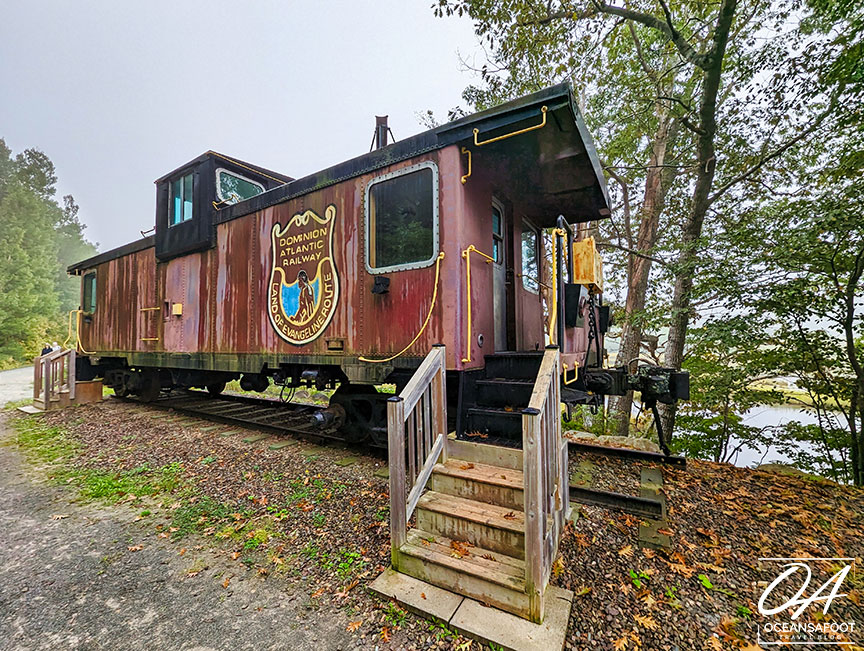
Continuing through Nova Scotia’s intricate waterways, we glimpsed the Shubenacadie Canal, its still waters reflecting a time before railroads dominated transportation. Completed in the 1860s, the canal now stands as a testament to human ambition and the vision of its builders, a silent monument to what could have been.
The Rhythmic Dance of the Shubenacadie River
As the journey unfolded, the vast tidal expanse of the Shubenacadie River came into view. Its Mi’kmaq name, meaning “place where the red potato grows,” highlighted its historical significance to indigenous peoples. Bryan’s storytelling brought the river to life, explaining the ebb and flow of its tides, driven by the gravitational forces of the sun and moon.
Fundy Tidal Interpretive Centre
Address: 9865 NS-236, South Maitland, Nova Scotia, Canada
Time Spent: 30-minutes
Before long, our journey led us to the doors of the Fundy Tidal Interpretive Centre in South Maitland. As we exited from our transport, a sense of anticipation filled the air. Inside, we were met with a wealth of information about the Bay of Fundy’s tidal mysteries. Informative panels, replete with visuals and data, intricately explained the mechanisms and marvels of the tides.

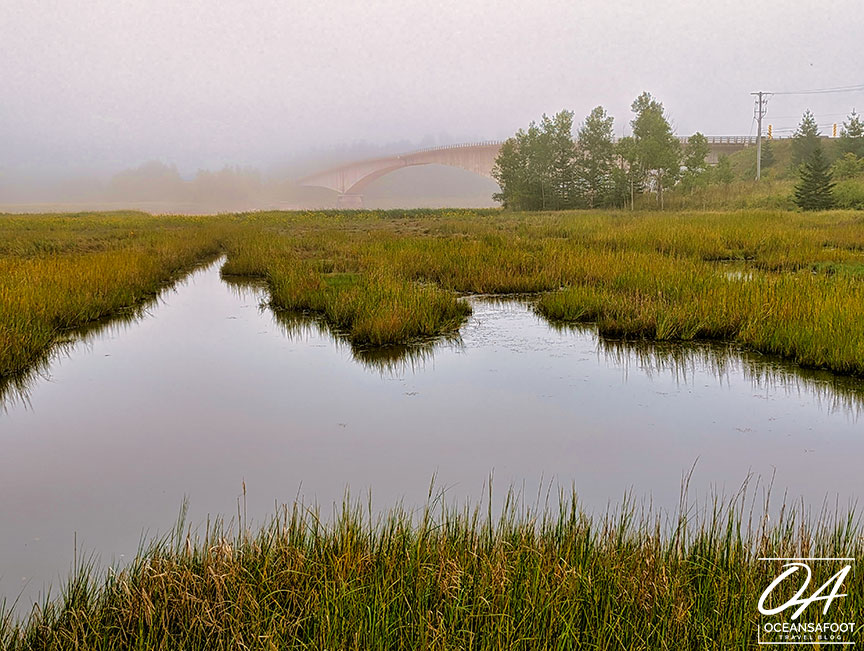
A short walk down a dirt and gravel path brought us to the observation deck, where we were greeted with a panoramic view of the Shubenacadie River. Its red clay banks and swirling waters demonstrated the dramatic effect of the tides firsthand.

Beside the river, the vast expanse of the Maitland Marsh stretched out, its wetlands intricately shaped by the rhythm of the tides. The marsh is a vital part of this unique ecosystem. It acts as a natural filter and buffer, absorbing and releasing water as the tides rise and fall.
Burncoat Head Park
Address: 627 Burncoat Head Rd, Noel, Nova Scotia, Canada
Time Spent: 3-hours
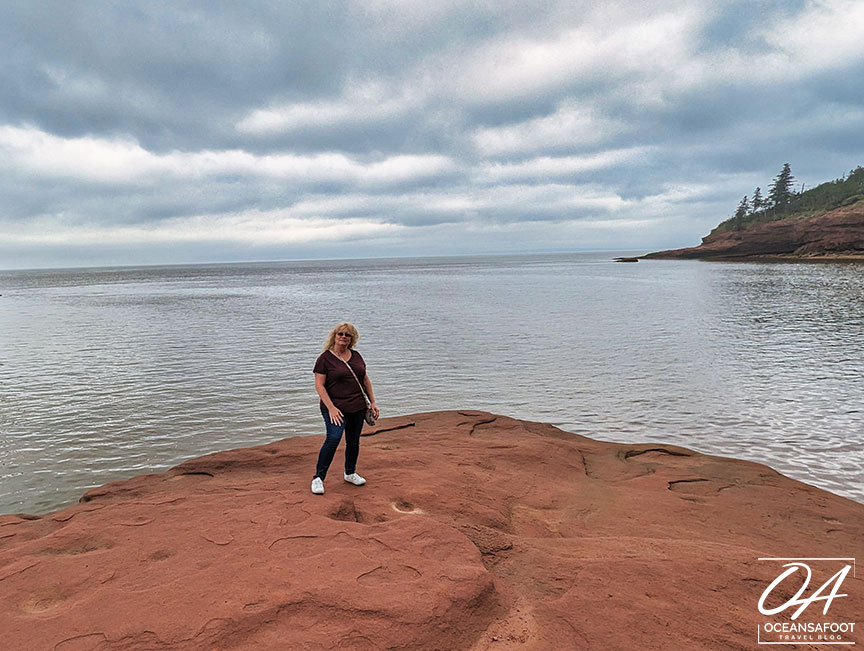
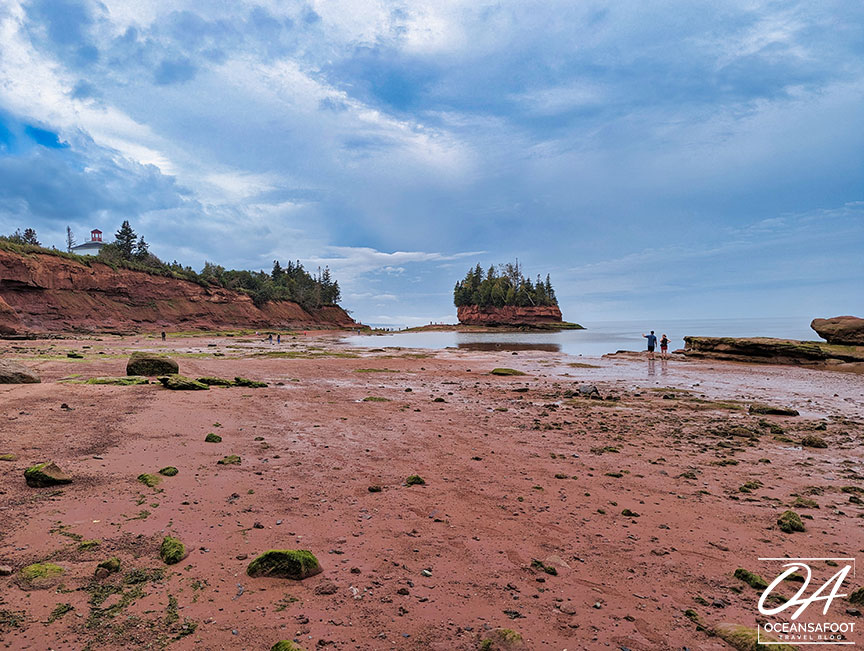
As our journey continued, the scenic horizon soon revealed the alluring Burncoat Head Park, a treasure trove of nature’s marvels. Recognized globally for boasting the world’s highest recorded tides, this park stands as a testament to the raw, unbridled power of nature. The extreme tidal range in this area is an astounding 53.6 feet, leaving visitors in awe.

The Bay of Fundy itself is a theater of nature, showcasing the Earth’s rhythms in a grand display. This bay is not just a mention in travel brochures but has earned its place in the Guinness Book of World Records. The twice-daily ebb and flow of its waters are nothing short of miraculous, with a breathtaking 160 billion tons of water moving to and fro, crafting a spectacle unmatched anywhere else on the planet.
Unveiling the Hidden Treasures of the Ocean Floor
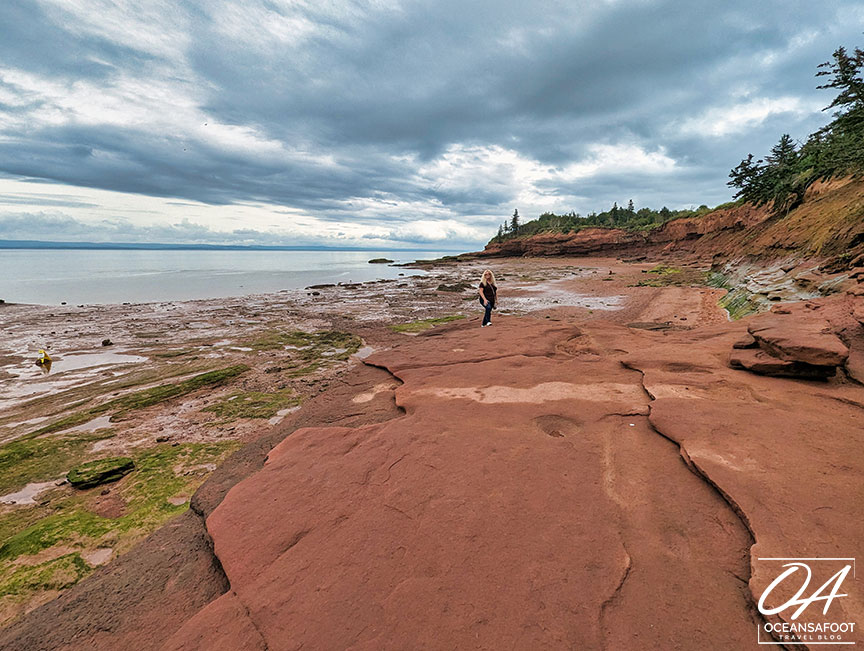
Burncoat isn’t merely about tides and scenic beauty. It offers an intimate encounter with the marine world beneath. As the tides recede, they reveal an otherworldly landscape, reminiscent of the rock formations of Flowerpot Island. This exposed ocean floor becomes a playground for curious minds.
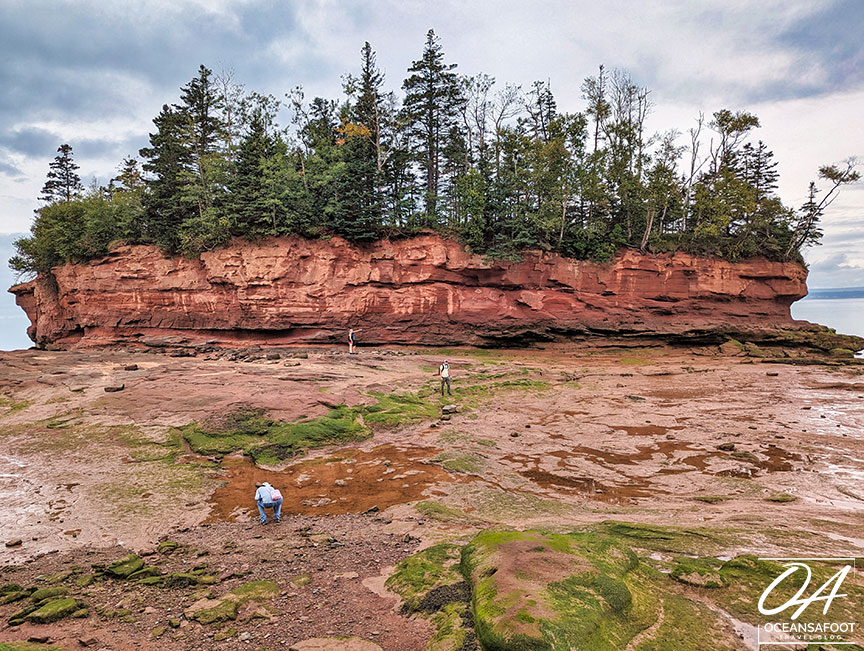
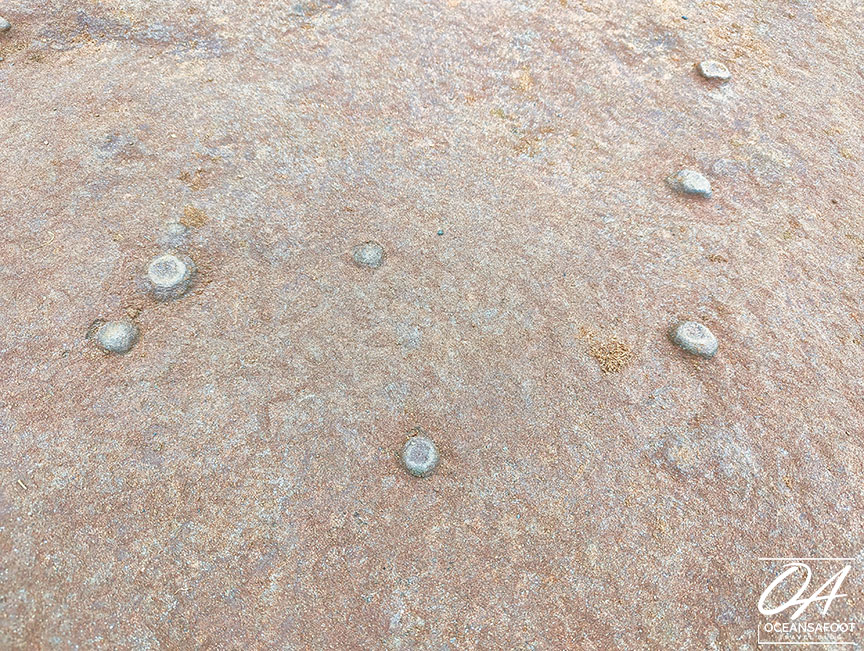
With Bryan leading the way, we navigated the rugged, almost lunar-like landscape, taking time to appreciate the small marine life that called this area home. We encountered periwinkles and hermit crabs, each moving within the crevices of the terrain, as well as the delicate forms of soft-shell clams and false Angel wings. A highlight of the journey came when we stumbled upon fossilized barnacles set within the red sandstone, an unexpected glimpse into the ancient history of the region.
The Legendary Lighthouse and Local Folklore
Yet, the park’s allure isn’t limited to its natural phenomena. Burncoat is a tapestry woven with tales, both ancient and recent. Local folklore, tales of sibling rivalries, stories of German aircraft doomed over the Bay of Fundy’s waters, all add layers to this place’s mystique. Anchoring these tales is the park’s iconic replicated lighthouse, a beacon illuminating Nova Scotia’s rich maritime heritage.
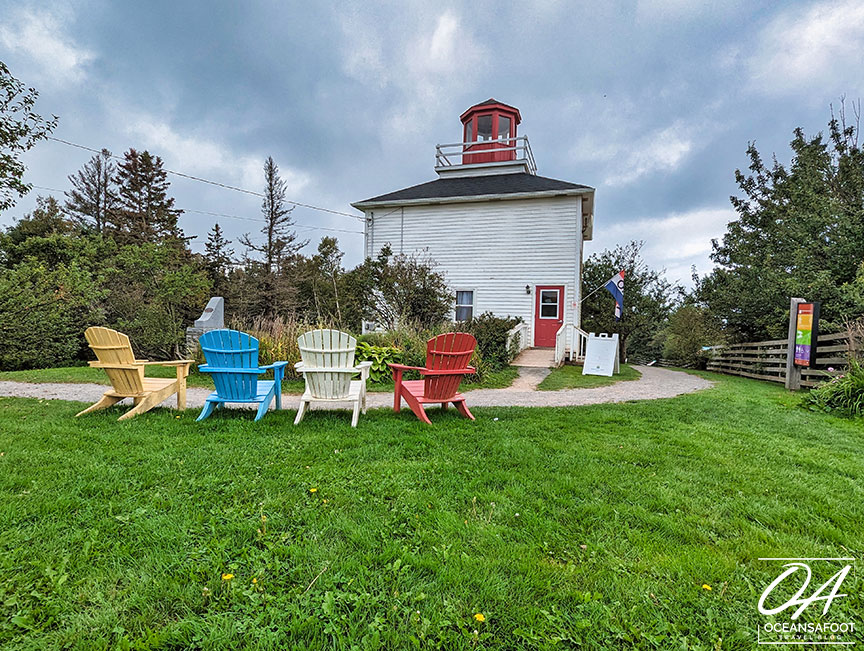
The Faulkner family, entrusted with the lighthouse’s care for generations, share an intriguing connection with the renowned Flowerpot Island. This island’s transformation into a standalone entity in 1913 due to erosion adds another chapter to the park’s storied past.
Lunch at Burncoat Head Park
Around noon, we settled into the park’s picnic area to enjoy our boxed lunches. I opted for the chicken salad, while others in the group chose ham and cheese or a vegetarian selection. Each box included an orange, potato chips, and an applesauce cookie. As we chatted and ate, the clouds overhead began to gather, casting a soft, gray veil over the landscape. The light drizzle that followed added a calm, almost contemplative atmosphere to our meal, making the moment feel cozy despite the weather’s shift.
From Drizzle to History: The Journey Home
As the drizzle turned to steady rain, signaling the close of our time at Burncoat, we packed up and began our return journey along the Bicentennial Highway. The rhythmic sound of raindrops tapping against the windows provided a gentle soundtrack, drawing a quiet close to the day’s adventures. Yet, the ride back wasn’t without its own stories—Bryan, with his ever-enthusiastic storytelling, reenergized the group as he launched into the history of this significant route, a path that led to Yorktown during the American Revolution.
Reflections on Canada’s Path to Independence
As Bryan shifted from roads to revolutions, we found ourselves engrossed in the tale of Canada’s peaceful path to independence in 1867—a story that stood in sharp contrast to the violent struggle of the United States. One of the more charming anecdotes was the use of French champagne by Canadian delegates to sway opinions during the negotiations. The idea of such elegant, yet playful, persuasion lightened the mood, bringing smiles and amused glances from our group offering a lighthearted end to this part of the journey.
Short Panoramic Bus Tour
Address: Halifax, Nova Scotia, Canada
Time Spent: 20-minutes
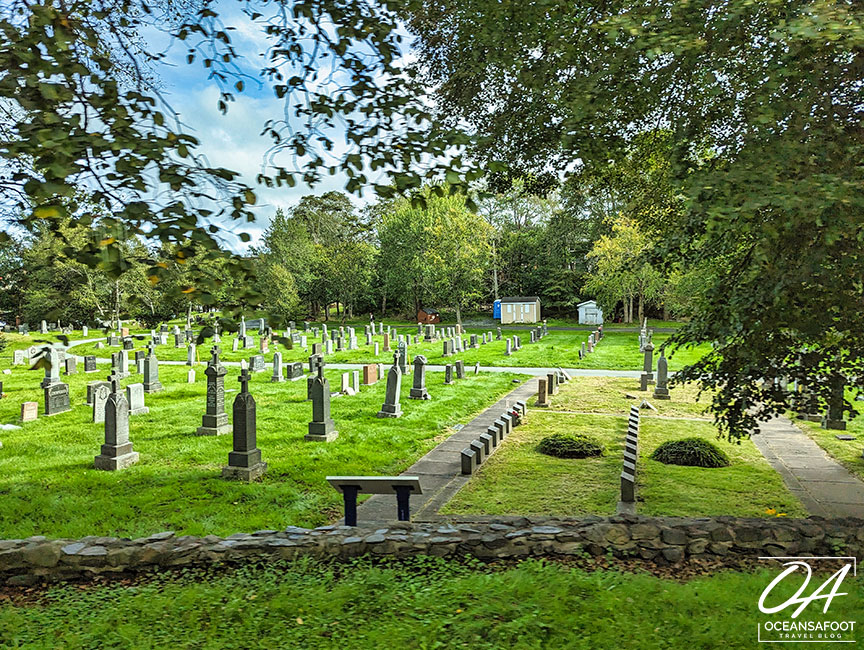
Our journey continued to the peaceful grounds of Mount Olivet Cemetery, where history and tragedy converge. This serene landscape is closely tied to the Titanic disaster, with 150 gravestones marking the final resting places of passengers from that ill-fated voyage. The quiet presence of these memorials added a somber depth to our visit, reminding us of the profound connection between Halifax and the Titanic.
Halifax’s Cultural and Historical Tapestry
As we navigated through Halifax’s lively streets, the city’s cultural diversity became evident. Street names reflected a blend of English, Irish, and German influences, each a reminder of the varied communities that shaped this place. As we traveled down Massachusetts Ave., our guide focused on the special bond between Halifax and Boston. Soon, the striking spires of the Egyptian Orthodox Church came into view, symbolizing the city’s maritime traditions and vibrant cultural festivals. The journey took a historical turn with the story of the Olympic Guard, a ship often overshadowed by its more infamous sister, the Titanic.
Walking in the Footsteps of History
We soon found ourselves walking in the footsteps of Sir Samuel Cunard, whose legacy is deeply woven into Halifax’s history. The vast Halifax Common stretched before us, evoking thoughts of community events and winter skating traditions. The imposing Halifax Armory drew our attention, reminding us of the city’s military past. At the top of Signal Hill, the Halifax Citadel stood proudly, not only as a symbol of the city’s defense but also as the source of eerie ghost stories that add a supernatural element to its storied history.
The Modern Face of Halifax
As we moved through Halifax, the cityscape shifted to more modern landmarks. Halifax City Hall stood as a symbol of the city’s present-day challenges and governance. Our guide highlighted the resilience of Halifax, focusing on the urban renewal projects that reshaped the city in the late 20th century. Amid this transformation, the city celebrates its diverse heritage, from Mi’kmaq drum art to the historic St. Paul’s Anglican Church, showcasing the many layers of its rich and evolving story.
A Day Defined by the Tides
As we made our way back to the pier, the unforgettable experience of the Bay of Fundy’s tidal marvels lingered in our minds. While Halifax provided a rich tapestry of history and resilience, it was the breathtaking tides and the close encounter with the marine world beneath that truly defined our day.
Tour Name: The Bay of Fundy Explore the Ocean Floor
Cruise Line/Ship: Holland America Lines Zaandam
Tour Operator: Ambassatours
Duration: Approx. 7 hours
© OceansAfoot

 Old St Johns and Cape Spear
 Gros Morne National Park Interpretive Walk
 Petite Ile au Marteau
 Ile Niapiskau
 Manicouagan Farm and Local Beverage Makers