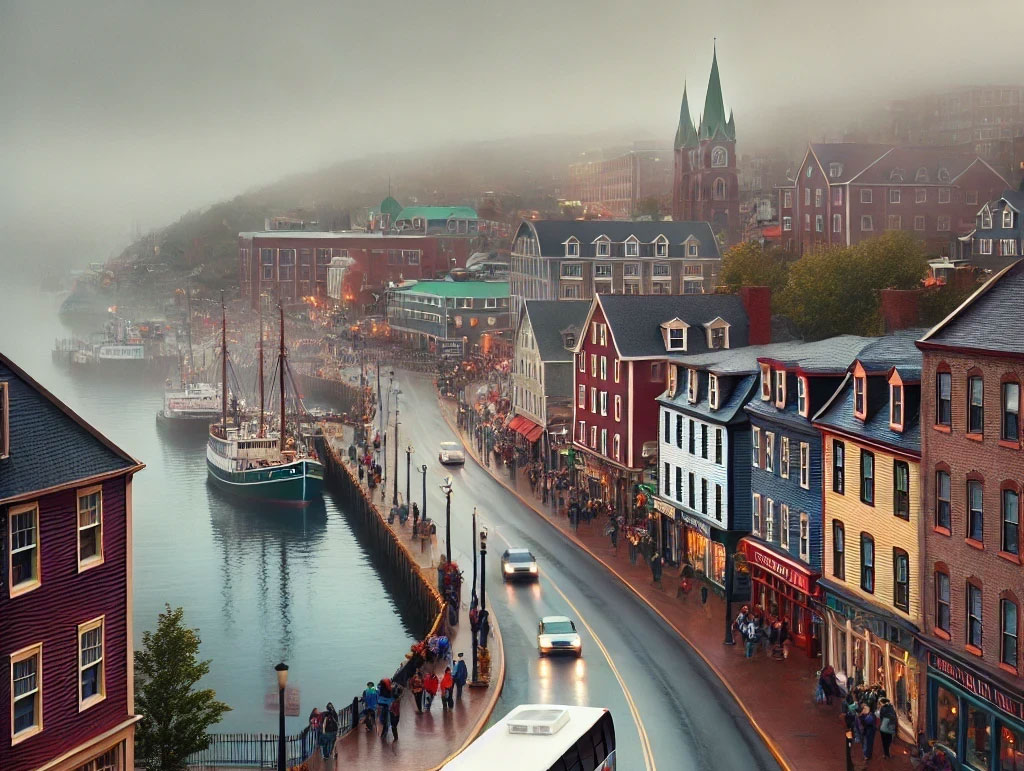
A Misty Morning Start
The tour began on an overcast morning as our group of 41 travelers departed from the pier. Jared, our knowledgeable guide, provided insightful commentary while Paul, our driver, steered us through the streets of St. John’s, Newfoundland—a city with a history stretching back more than 500 years.
St. John’s: A History of Destruction and Renewal
During the drive, Jared explained that St. John’s has been destroyed six times throughout its history. French forces were responsible for three of these events, while the English caused the remaining three. Despite this turbulent past, St. John’s has always rebuilt.
Then, as we drove along Water Street, North America’s oldest merchant street, we learned how codfish attracted traders from across Europe during the height of the fishing industry in the 16th century, transforming the city into an important trading hub.
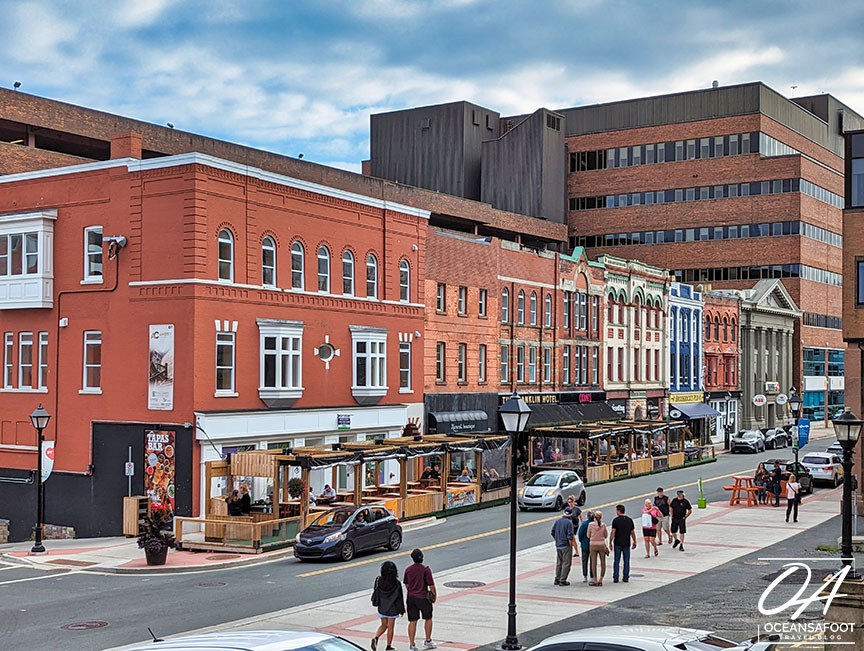
Cape Spear
Address: 1914-1930 Black Head Road, St. John’s, Newfoundland, Canada
Time Spent: 40-minutes
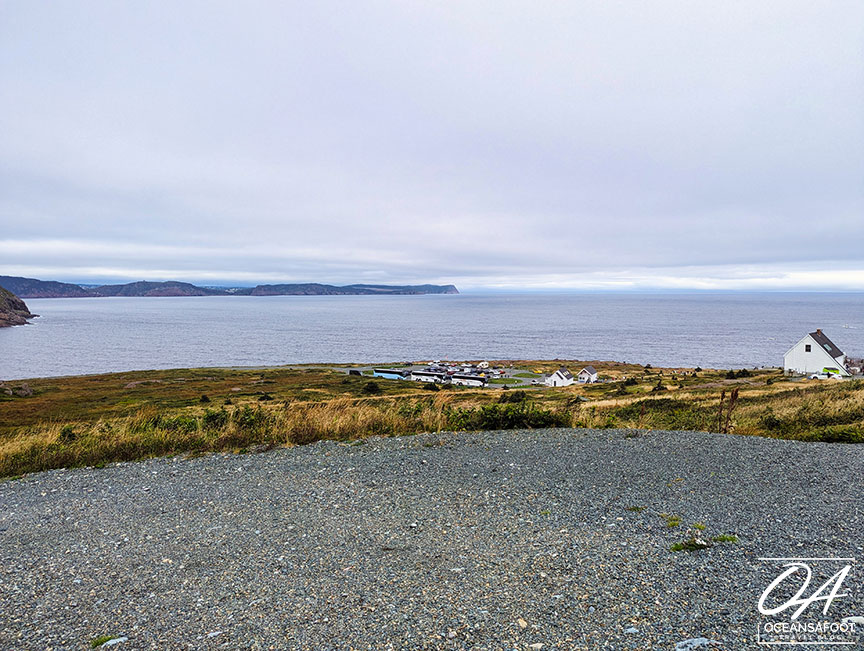
Leaving behind the city’s hustle, we ventured to Cape Spear, surrounded by an Avalon Boreal Forest. As we reached North America’s easternmost point, often referred to as the Cape of Hope, the raw beauty of the Atlantic’s vastness greeted us.
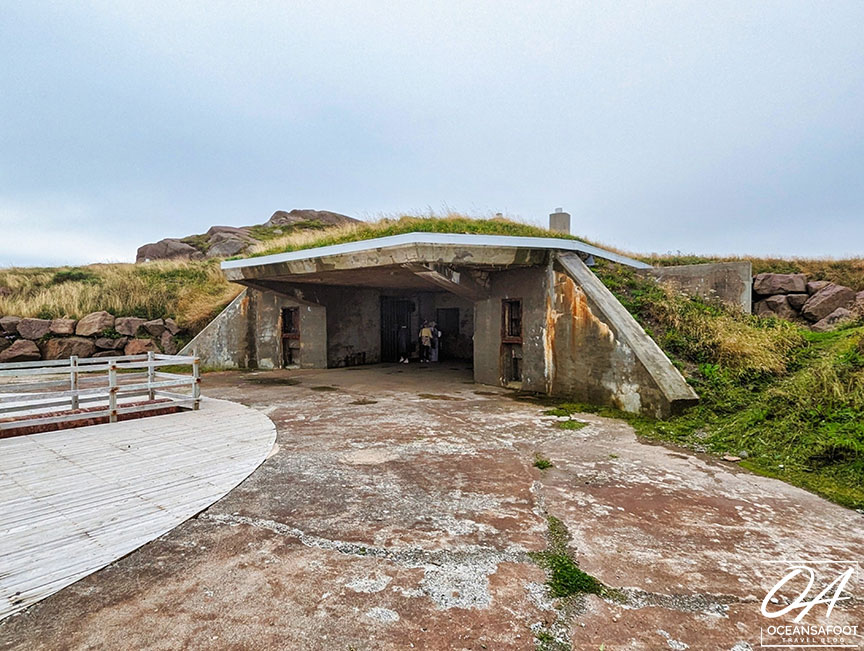
War Remnants at Cape Spear
Just a stone’s throw from this point laid the remains of a Canadian military encampment from World War II. This site underscores the region’s vital strategic role during the global upheaval. Tasked with protecting essential convoys from German U-boat threats, the encampment was instrumental in safeguarding critical supply routes throughout the war.
Cape Spear Lighthouse – A Beacon of Legacy
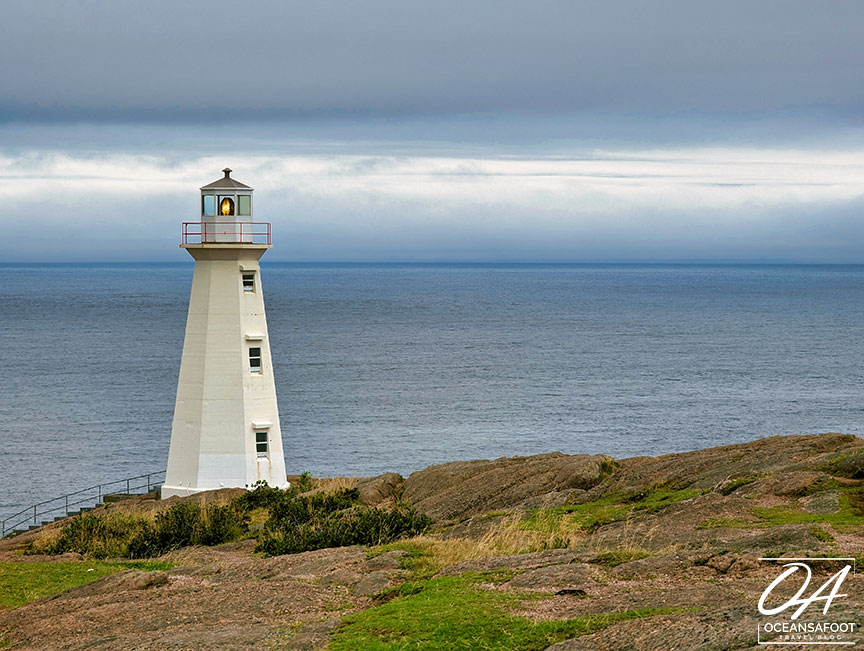
The Cape Spear Lighthouse, first illuminated in 1836, remains Newfoundland and Labrador’s oldest surviving lighthouse. After climbing the adjoining 185 steps, we learned about the challenges faced by the lighthouse keepers who worked tirelessly to ensure the light was never extinguished. Adjacent to the lighthouse, the restored lightkeeper’s residence provided a glimpse into the life of these individuals, whose work was critical to maritime safety.
Petty Harbor
Address: 35 Southside Rd. Petty Harbour, Newfoundland, Canada
Time Spent: Drive-by
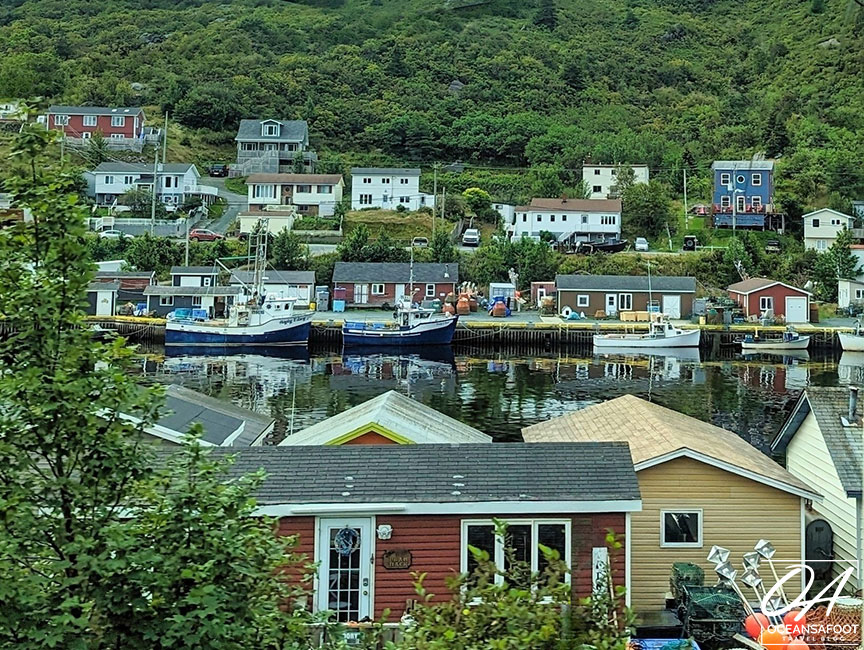
On the drive back, we passed through Petty Harbor, an ancient fishing village with roots dating back to the early 1500s. Nestled between steep cliffs and the Atlantic, the village is one of Newfoundland’s oldest European settlements. While time constraints prevented us from stopping, the bus provided excellent views of this picturesque enclave, a reminder of the island’s longstanding relationship with the sea.
Signal Hill
Address: Signal Hill Rd, St. John’s, Newfoundland, Canada
Time Spent: 30-minutes
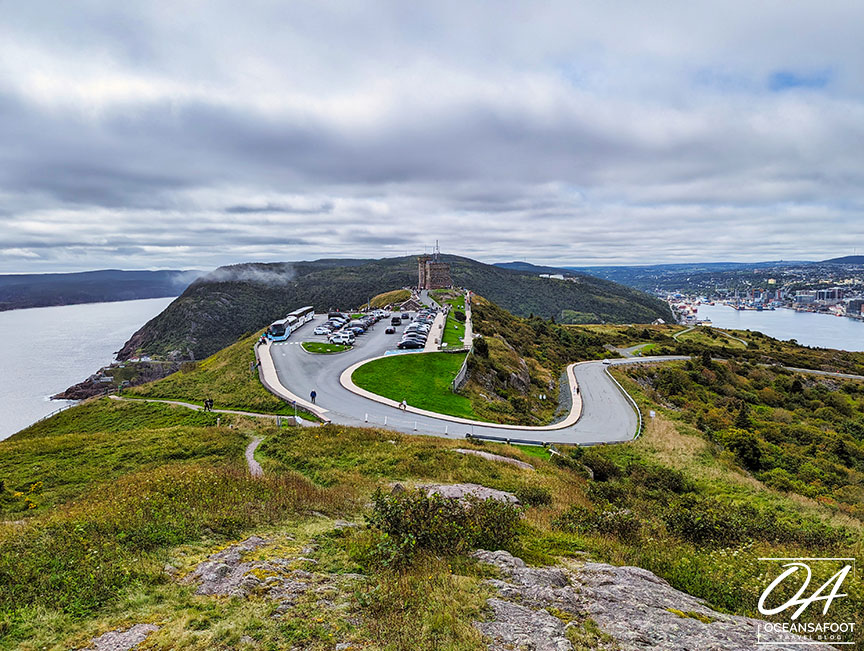
As midday approached, our group arrived at Signal Hill, a prominent landmark overlooking St. John’s. This historic site has played a crucial role in both Newfoundland’s military history and its contribution to scientific advancements. Over the centuries, Signal Hill has been a strategic point, witnessing numerous significant events.
Military Importance of Signal Hill
Signal Hill’s elevated position made it a vital military outpost from the late 1600s through the 19th century. The British used it to defend the port of St. John’s from French attacks during the numerous colonial conflicts between the two nations.
Fortifications were first established here during the Seven Years’ War, and later, in 1762, the Battle of Signal Hill marked one of the final clashes between the French and British forces during the global conflict. Signal Hill remained a key defensive position into the 19th century, with its strategic significance continuing into the 20th century during both World Wars as a lookout for submarine threats.
Marconi’s Signal: A Breakthrough in Communication
In 1901, Signal Hill became the site of a groundbreaking achievement in global communication. Guglielmo Marconi, an Italian inventor, chose this location to receive the first trans-Atlantic wireless signal, sent from Poldhu, Cornwall, in England. This transmission—comprising Morse code for the letter “S”—marked a major technological leap forward, proving that long-distance wireless communication across the Atlantic was possible.
Vistas and Historical Monuments
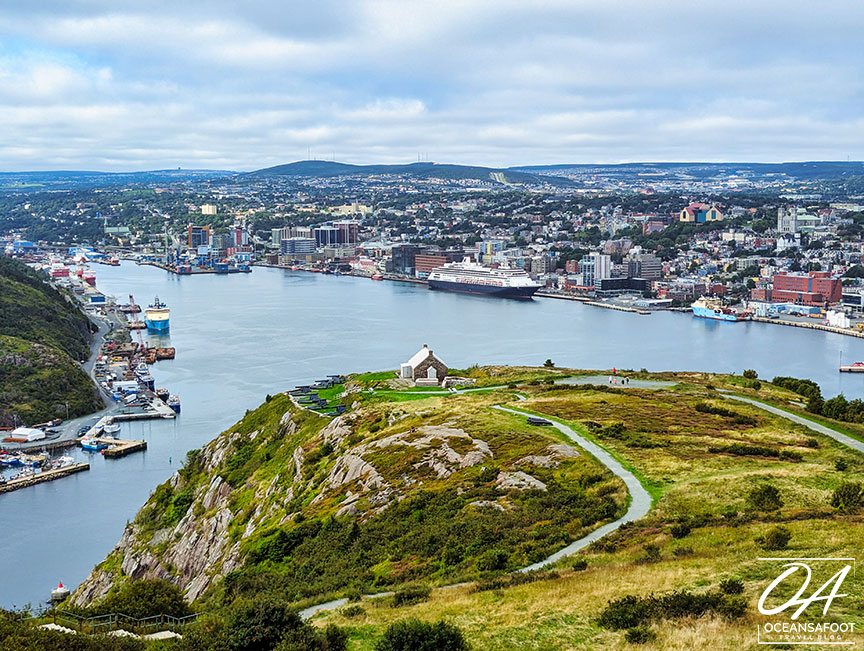
From the summit of Signal Hill, we were surrounded by sweeping views. To one side, the city of St. John’s spread out below, with its harbor and colorful buildings creating a striking contrast against the dark blue waters. On the other side, the Atlantic Ocean stretched out into the distance, seemingly endless.
Standing at the heart of the hill is Cabot Tower, a structure built in 1897 to commemorate both the 400th anniversary of John Cabot’s discovery of Newfoundland and Queen Victoria’s Diamond Jubilee. The tower itself has since become a symbol of the hill’s historical importance. It served as a key location for military signaling in its early years and remains a popular destination for visitors today.
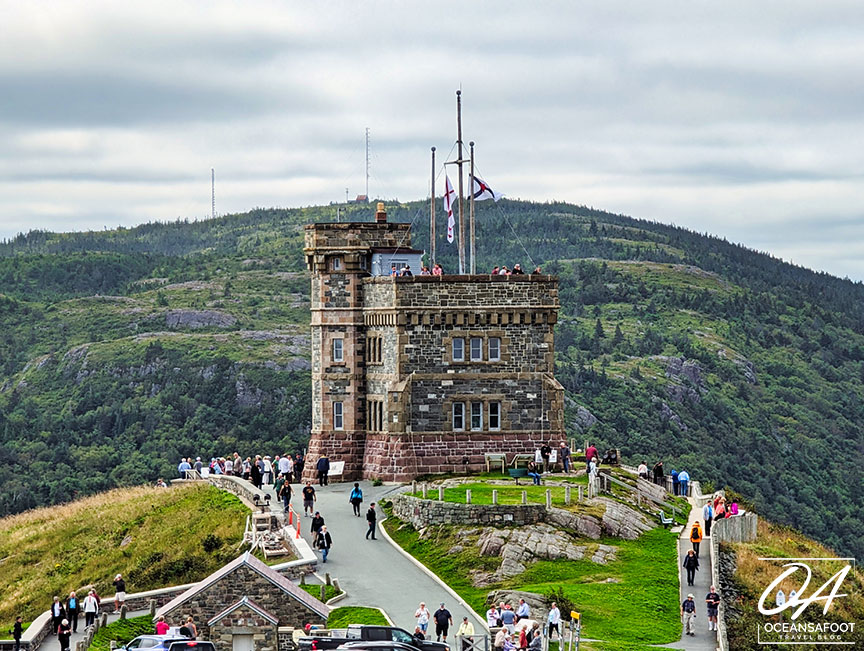
Vistas and Historical Monuments
Though we only had a short time to explore, Signal Hill is home to several well-known trails, including the North Head Trail, which winds along the rugged coastline. The trail offers stunning views of the ocean, cliffs, and hidden coves, making it a popular spot for those looking to experience the natural beauty of Newfoundland’s coast. Unfortunately, our tight schedule prevented us from venturing out on the trails.
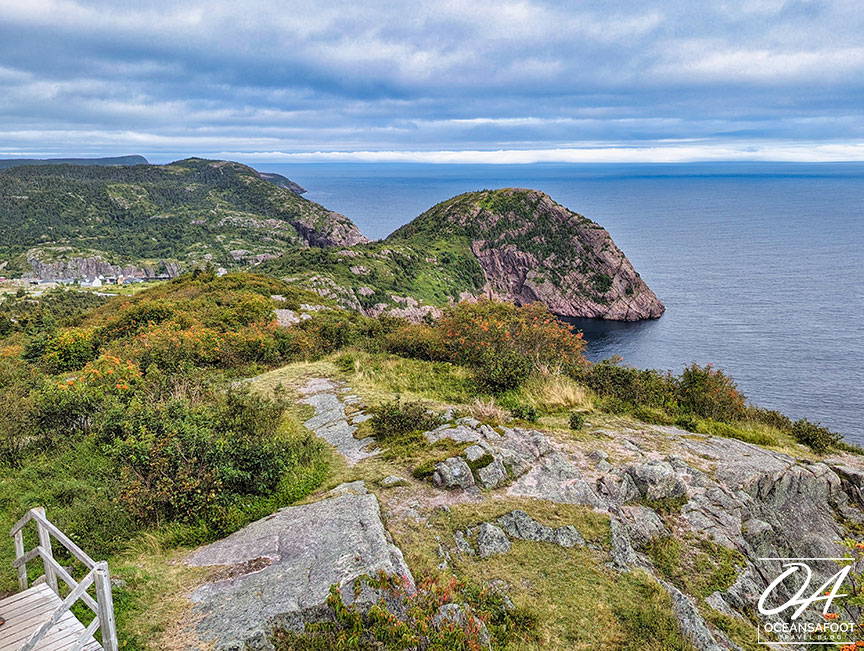
St. John’s Architectural Wonders
After leaving Signal Hill, our bus navigated through the historic streets of St. John’s, offering us a closer look at some of the city’s most significant landmarks. As we made our way back toward the ship, we drove past several sites, each representing different chapters in Newfoundland’s rich history.
Colonial Building
Address: 90 Military Rd, St. John’s, Newfoundland, Canada
Time Spent: Drive-by
One of the first buildings that captured our attention was the Colonial Building, a site of great political significance before Newfoundland joined Canada. This grand neoclassical building, with its imposing columns and intricate stonework, was the seat of Newfoundland’s government from the 1850s until Confederation. It stands as a reminder of the island’s self-governing years, when Newfoundland operated as an independent dominion within the British Empire. The Colonial Building was the backdrop for many key political debates and decisions that shaped the future of the region.
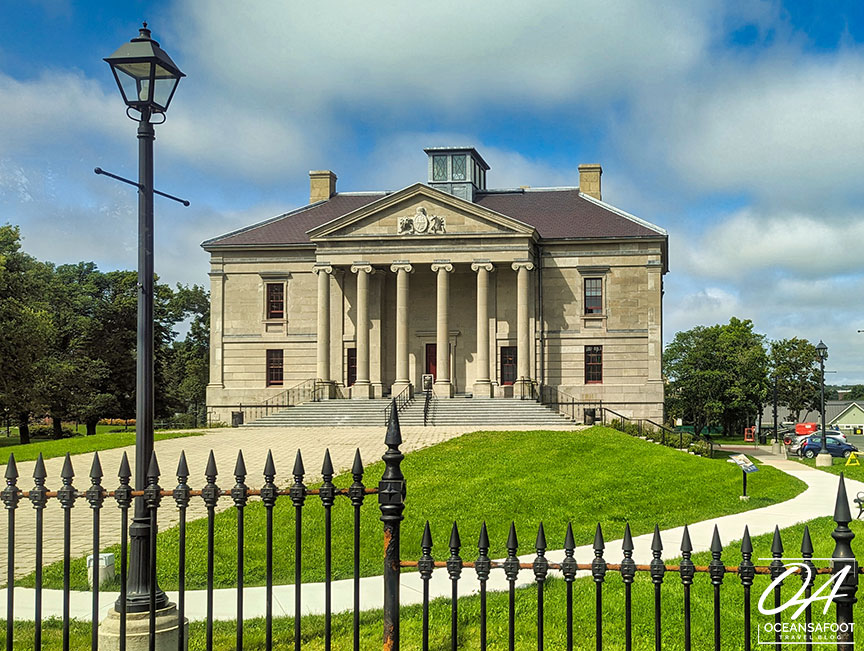
Basilica of St. John the Baptist
Address: 200 Military Rd, St. John’s, Newfoundland, Canada
Time Spent: Drive-by
As we continued, the Basilica of St. John the Baptist came into view. This towering cathedral, completed in 1855, is one of the most impressive examples of Gothic Revival architecture in Canada. Its two large spires dominate the skyline, and inside, it houses stunning stained-glass windows and intricate woodwork. The Basilica has long been the spiritual center of St. John’s and played a significant role in the city’s Catholic heritage.
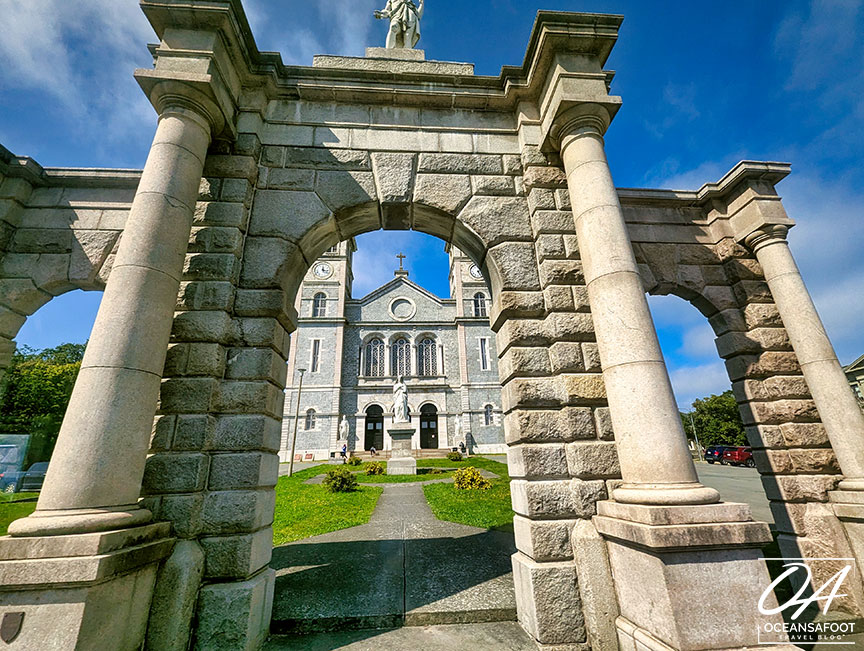
The Rooms
Address: 9 Bonaventure Ave, St. John’s, Newfoundland, Canada
Time Spent: Drive-by
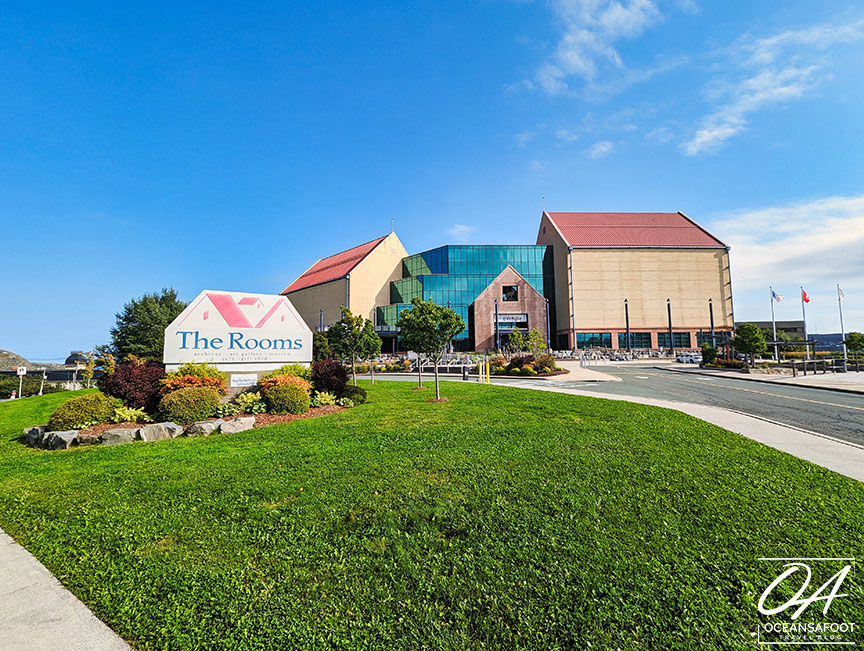
Our bus made a turnaround in the parking lot of “The Rooms,” perched above the city and overlooking our ship. This museum and cultural center seamlessly combine modern architecture with historical influences. It houses extensive exhibits on the history, art, and culture of Newfoundland and Labrador, making it one of the province’s most significant cultural institutions and worthy of a separate visit.
Midday Return
After returning to the ship just after midday, we took a moment to refresh ourselves. Reenergized, we set off to discover more of St. John’s on our own, eager to experience the city’s hidden gems beyond this structured tour.
Tour Name: Old St Johns and Cape Spear
Cruise Line/Ship: Holland America Lines Zaandam
Tour Operator: Unknown
Duration: Approx. 3.5 hours
© OceansAfoot