Setting Off for Gros Morne
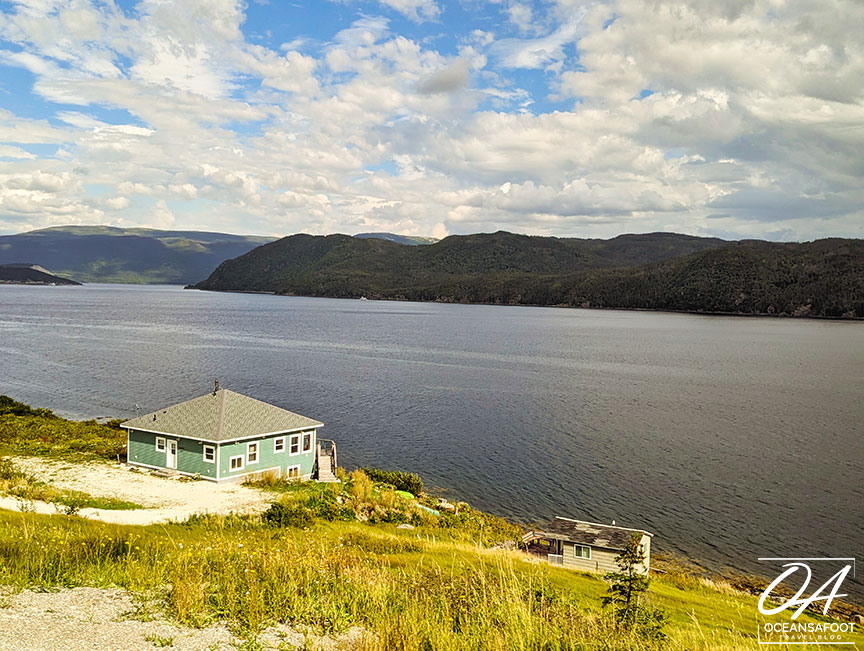
On an overcast day, clouds threatening rain overhead, we began a 2-hour journey to Gros Morne National Park. The moment we set out, Roxanne, our passionate guide from Wildland Tours, and Ivan, our bus driver, made sure we had a memorable trip. Little tip for anyone wanting the best views – the right side of the bus offered the most scenic moments, especially when driving alongside Bonne Bay.
Tracing Newfoundland’s Historical Ties
Our expedition had a touch of historical essence; we traced the path of Captain James Cook as he had sailed into the Bay of Islands. We learned that the area, populated in the 1500s, played a significant role in Newfoundland’s history, from its pulp and paper mills to its transformation into Canada’s 10th province.
From Boreal Forests to Fjords
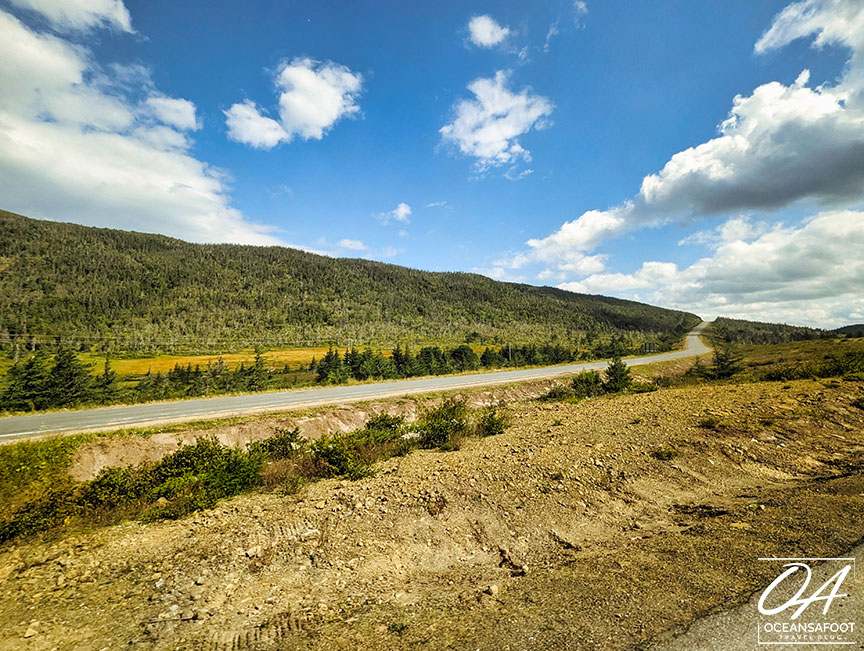
As we approached Gros Morne, the landscape began to shift. One moment, we were traveling on the Trans-Canada highway, the next, we were making our way through the Boreal Forest, passing local landmarks like Kill Devil Mountain and Struggle hill.
Gros Morne National Park
Address: 13 Dot Dr, Rocky Harbour, NL A0K 4N0, Canada
Time Spent: 1-hour
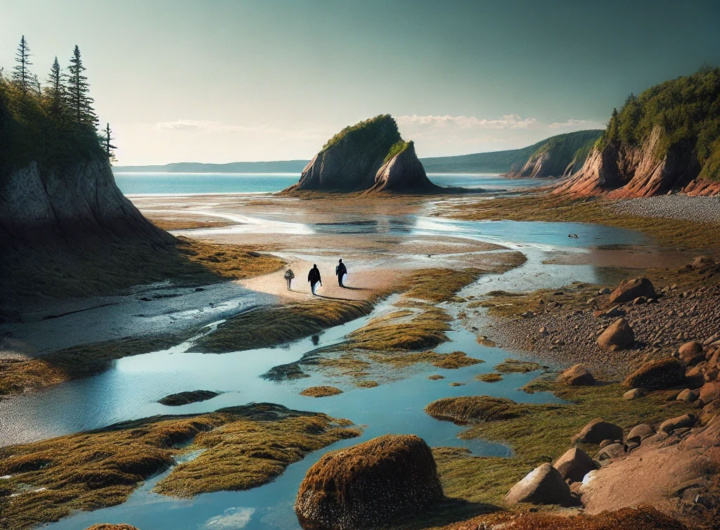
As our bus journeyed into the vast 697-square-mile landscape of Gros Morne National Park—a UNESCO World Heritage site—the excitement among the passengers began to ratchet up. This park is more than just scenic terrain; it’s a living page from Earth’s profound geological saga. Our boots hit the ground precisely at noon. With a mere hour in this geologic marvel, we were determined to savor every moment. At the top of our list was the iconic Tablelands trail, featuring a remarkable glimpse of Earth’s mantle.
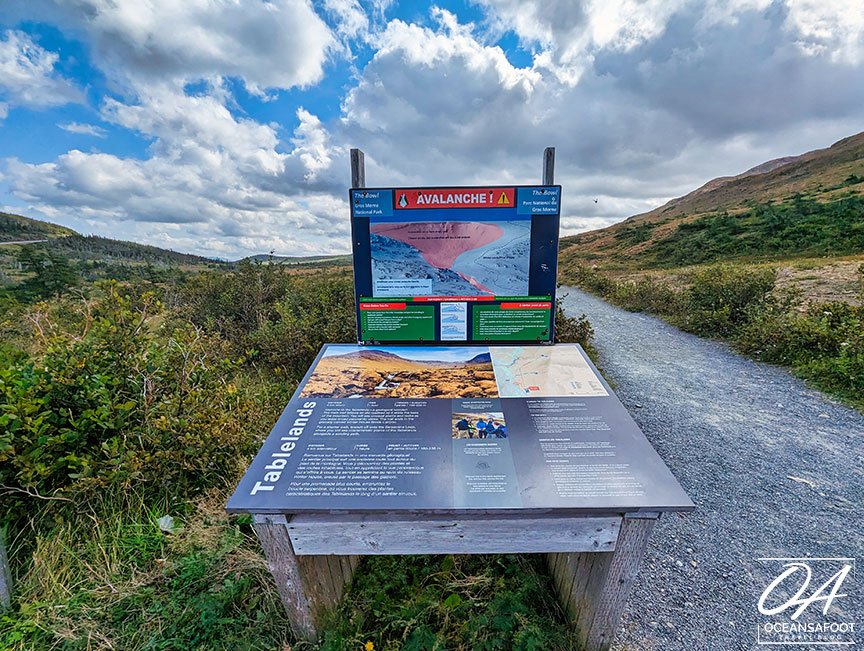
A Glimpse into Gros Morne’s Trails
Easy Trails:
- Bakers Brook Falls Trail – This is a flat trail that takes you through lush forest settings. It leads to a beautiful waterfall, and the round trip is approximately 10 km.
- Berry Hill Trail – A brief loop that measures about 1.5 km in length, this trail winds its way through forested areas, culminating in a viewpoint that offers panoramic vistas of the park.
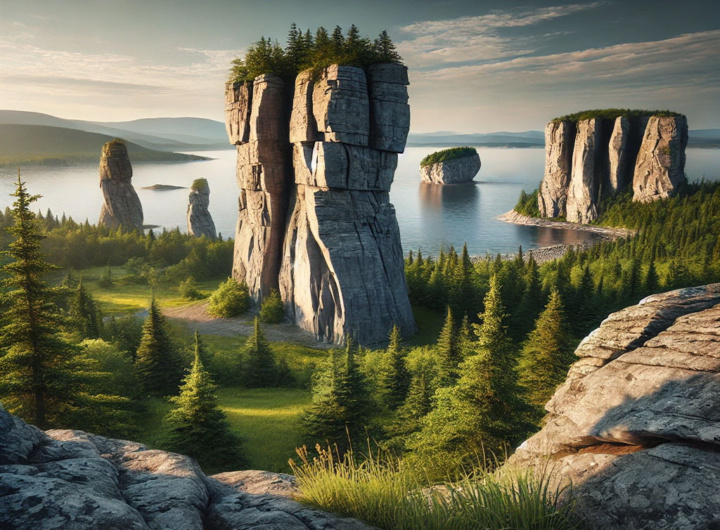
- Western Brook Pond Trail – This trail is quite flat and takes you towards the boat tour dock of Western Brook Pond, a landlocked fjord. The trail itself is about 6 km return and provides views of the towering cliffs that flank the pond.
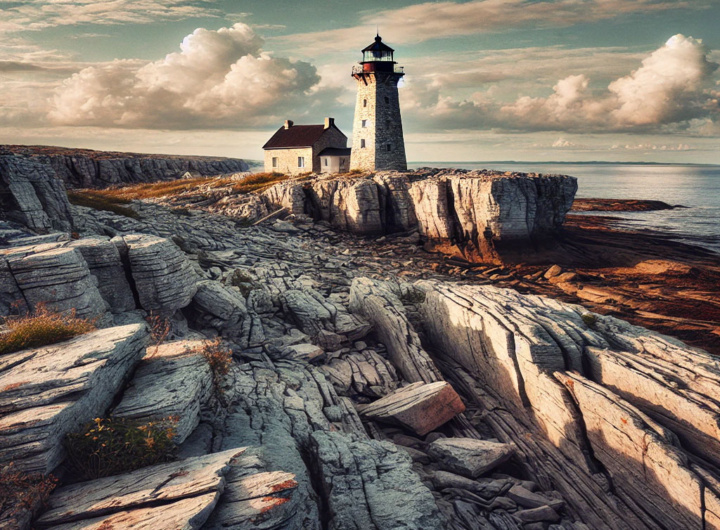
- Lobster Cove Head Lighthouse – Comprising several short trails around the lighthouse grounds, it offers views of the rugged coastline, the Gulf of St. Lawrence, and insights into the area’s maritime history.
- Coastal Trail – This trail stretches along the coastline and is about 6 km return. It offers stunning views of the ocean, rocky shores, and coastal vegetation.
Moderate Trails:
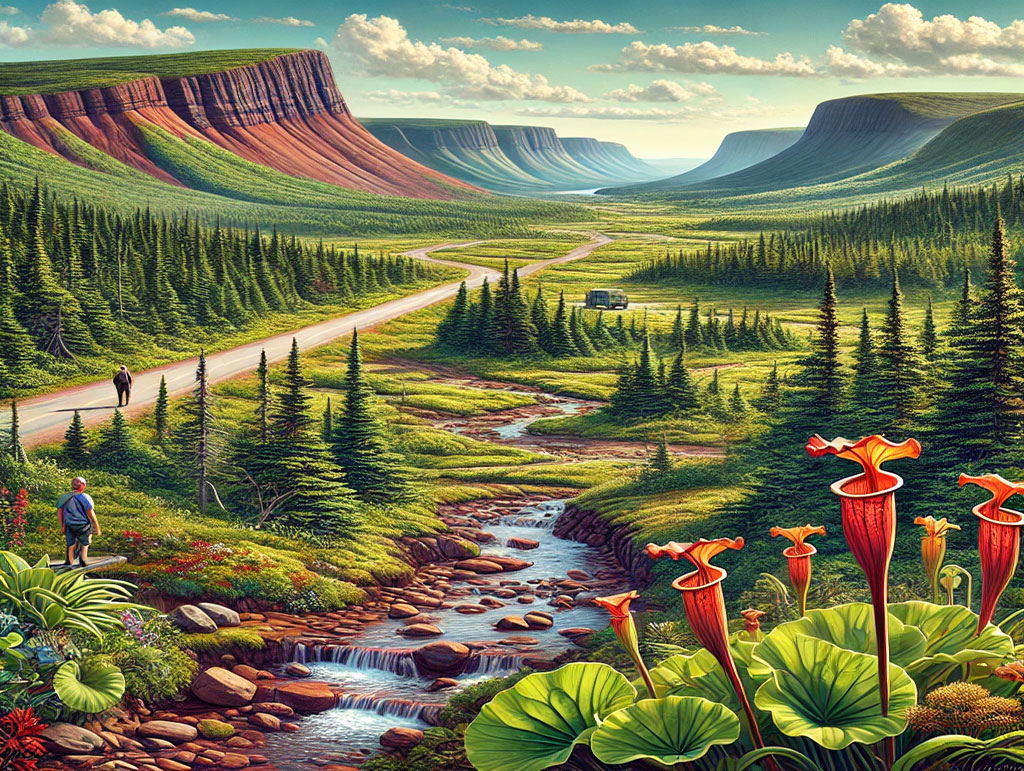
- Tablelands Trail – At about 4 km return, this trail gives hikers the unique opportunity to explore the Earth’s mantle exposed at the surface. The barren, rusty-orange landscape is quite the contrast from the typical greenery of the park.
- Green Gardens Short Route – This trail is roughly 4.5 km return. It provides views of the coastal cliffs, meadows, and sea stacks. It’s a moderate hike but offers a glimpse of the unique geology of the region.
- Lookout Trail – Measuring about 5 km return, this trail offers a steady climb and rewards hikers with panoramic views of the surrounding landscapes, including Bonne Bay.
- Southeast Brook Falls – A shorter trail at 2 km return, this pathway leads hikers to a picturesque waterfall, making it a delightful excursion.
Challenging Trails:
- Gros Morne Mountain Trail – This 16 km loop trail is strenuous, taking you to the summit of Gros Morne Mountain, the second-highest peak in Newfoundland. It offers spectacular views of the Ten Mile Pond gorge and Long-Range Mountains.
- Green Gardens Long Route – An extension of the shorter trail, this version measures around 9 km return and offers more extensive exploration of the coastal cliffs, meadows, and volcanic rocks.
- Snug Harbour Trail – This trail is approximately 8 km return and leads to a serene coastal area. The trail is secluded and offers peace and tranquility.
- Long Range Traverse – This trail is not for the faint of heart. A multi-day backcountry trail covering about 35 km, it requires preparation, navigation skills, and permits. It takes hikers through alpine terrain and offers unparalleled views of the fjords and landscapes of the park.
Navigating the Unique Landscape of Tablelands
The onset of the Tablelands Trail presented an immediate challenge, with its steady ascent marking our 30-minute directional hike. While we couldn’t traverse the entire 4km length due to time and energy constraints, the journey was nonetheless worth it.
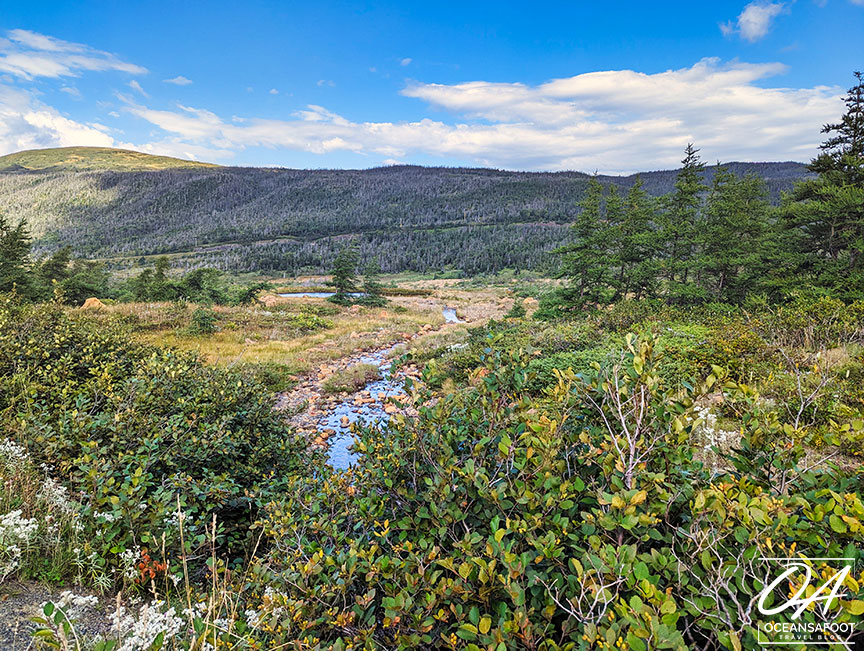
We hiked through sparse greenery which quickly transitioned into stark, rusty-orange terrain. This dramatic shift in landscape, a testament to its UNESCO distinction, attracts tourists from around the globe.
Walking on Earth’s Ancient Crust
What makes this trail awe-inspiring is the realization that you’re treading upon what’s often referred to as the top of the bottom of the Earth. The unique orange rocks that decorate the landscape are fragments of the Earth’s middle layer.
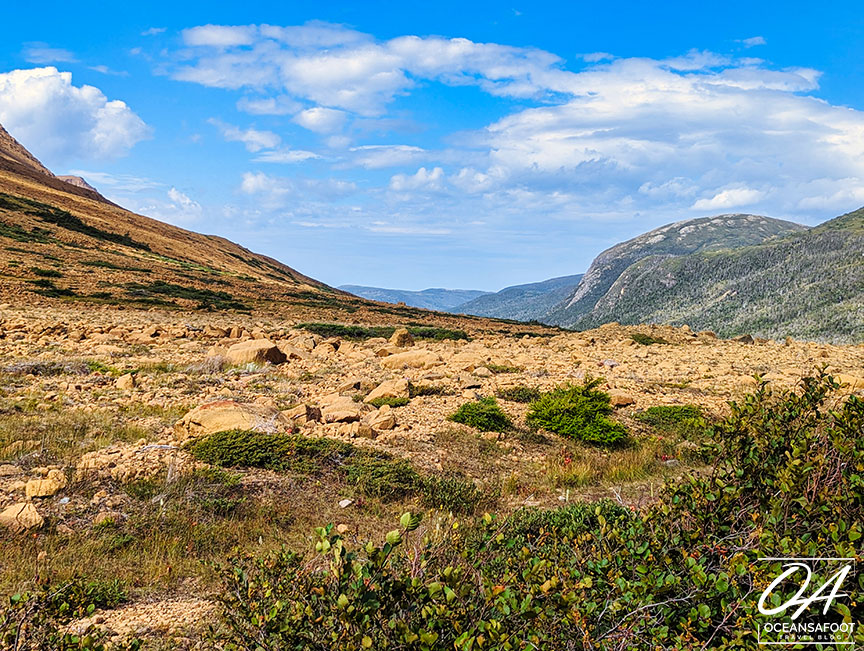
About 500 million years ago, monumental continental plates clashed, resulting in this remarkable geological spectacle. To be in Gros Morne is to literally step into Earth’s dynamic and ever-changing history, seeing firsthand the raw beauty of our planet.
Biodiversity: More than Rocks and Trails
As we made our descent, the path seemed swifter, allowing us to complete the return journey in just 20 minutes. Our trail exploration culminated in an enlightening discussion led by our guide, who delved into the distinctive flora of Gros Morne. Notably, we learned about the intriguing Pitcher Plant, Newfoundland and Labrador’s provincial flower, known for its carnivorous nature and unique shape resembling a water pitcher.
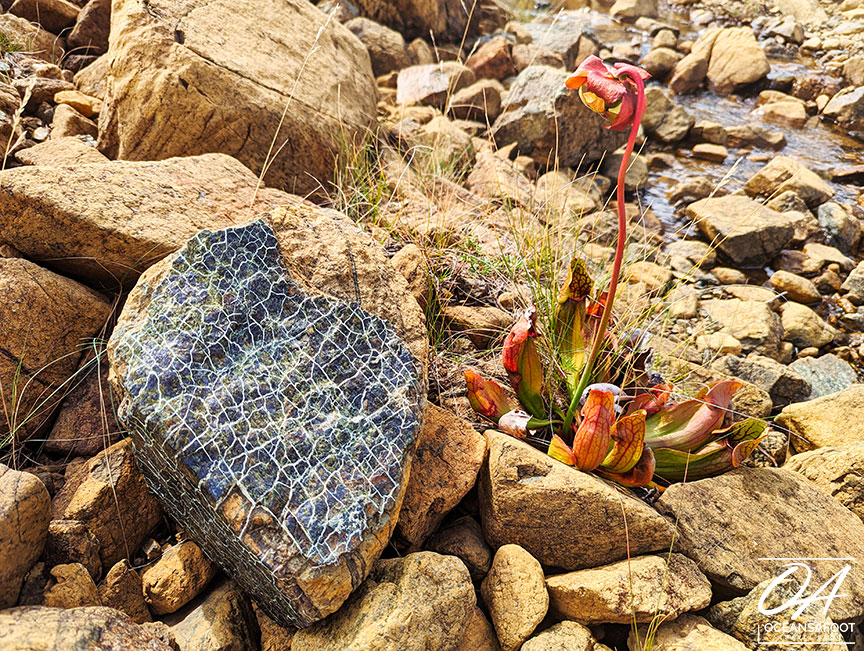
Additionally, the Sundew, another carnivorous plant, captured our attention with its glistening sticky droplets designed to trap insects.
Refueling at Trout River
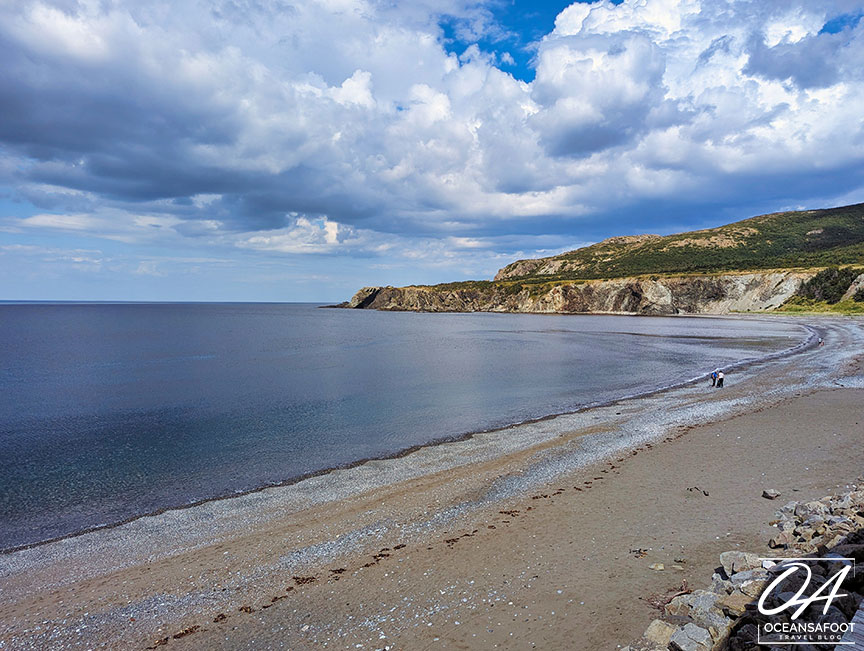
By mid-afternoon, after immersing ourselves in the park’s rich landscapes and geological wonders, we found ourselves heading into the picturesque fishing village of Trout River, nestled along Newfoundland’s rugged coast. It was here that we paused to refuel, savoring the local culinary traditions of the Seaside Restaurant.
The Seaside Restaurant
Address: 263 Main St, Trout River, NL A0K 5P0, Canada
Time Spent: 1-hour Lunch
Situated along the picturesque coast of Trout River, the Seaside Restaurant tells a story of dreams and persistence. What began as Samuel J. Hann’s fishing shed in 1979 transformed into a family legacy.
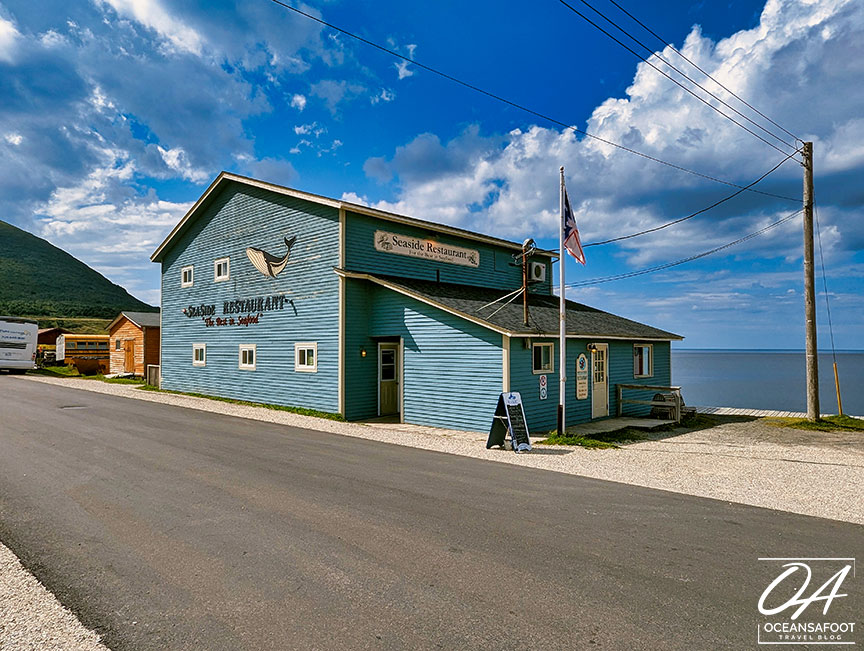
Inspired by the vision of Samuel’s wife, O. May Hann, a small corner of this shed became Hann’s Snack Bar and Ice-Cream Parlor in the early 1970s. With time and May’s culinary finesse, the menu expanded to include fish dinners, marking the evolution from a simple fishing hub to a cherished local eatery.
Trout River’s Culinary Heritage
We began our lunch with bowls of Fish Chowder or Pea Soup, which warmed us after a morning spent exploring. The main course offered us a choice between a Ham or Turkey Sandwich, both brimming with mayonnaise, or a garden-fresh salad for the vegetarians among us.
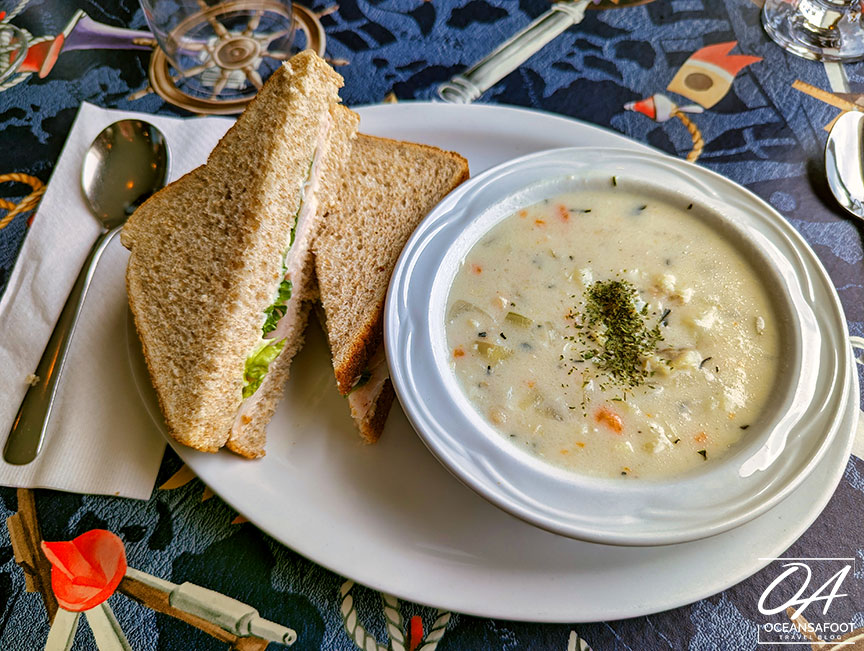
To finish, we indulged in a Partridge Berry tart, its sweet-tart flavor a nod to the region’s abundant wild berries. While we enjoyed our meal, the sweeping view of the coastline through the restaurant window deepened the tranquility of the moment, enhancing our connection to its local culture.
Gros Morne Discovery Centre
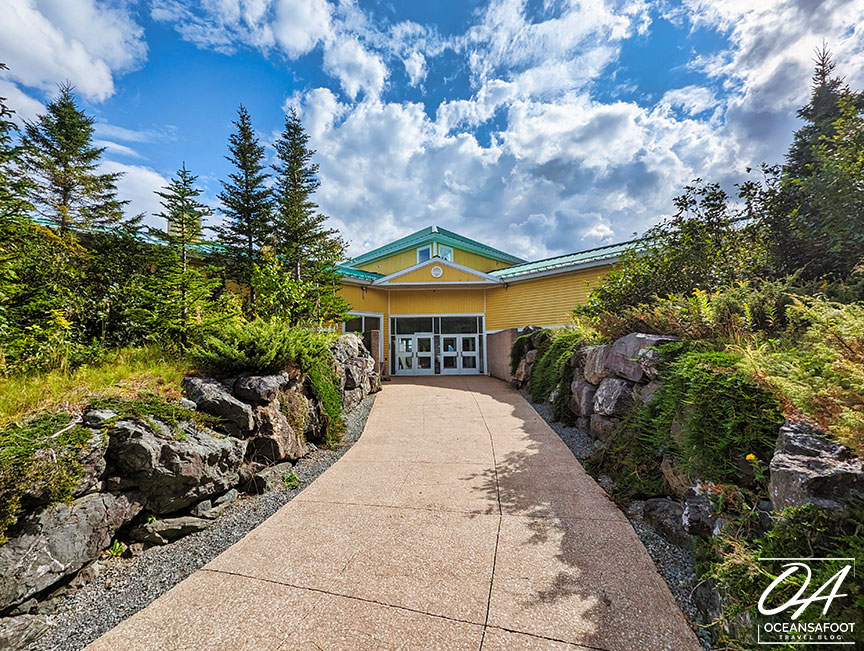
Address: Nl-431, Woody Point, NL A0K 1P0, Canada
Time Spent: 30-minutes
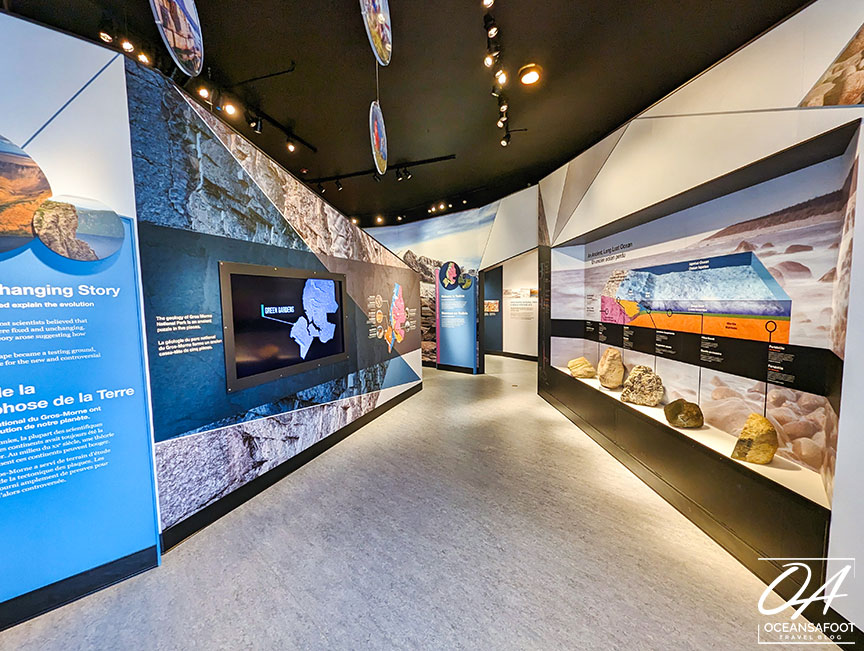
Following our meal, our journey led us to the Gros Morne Discovery Centre in Woody Point. Enclosed by towering trees and a tranquil waterway, this architectural marvel serves as a portal into the park’s geological and ecological significance. As we entered, we were greeted by exhibits that told the story of Gros Morne’s dramatic formation, specifically the Tablelands—a rare glimpse into the Earth’s mantle.
Inside Gros Morne’s Knowledge Hub
The exhibits were thoughtfully curated, showcasing everything from the park’s unique geology to its biodiversity. We were especially captivated by a diorama depicting the region’s vast landscape, revealing how the Earth’s crust had split open millions of years ago, laying bare a piece of the planet’s molten core. It was a humbling reminder of nature’s immense power, and the role Gros Morne plays in our understanding of geological history.
The Tranquility of Bonne Bay
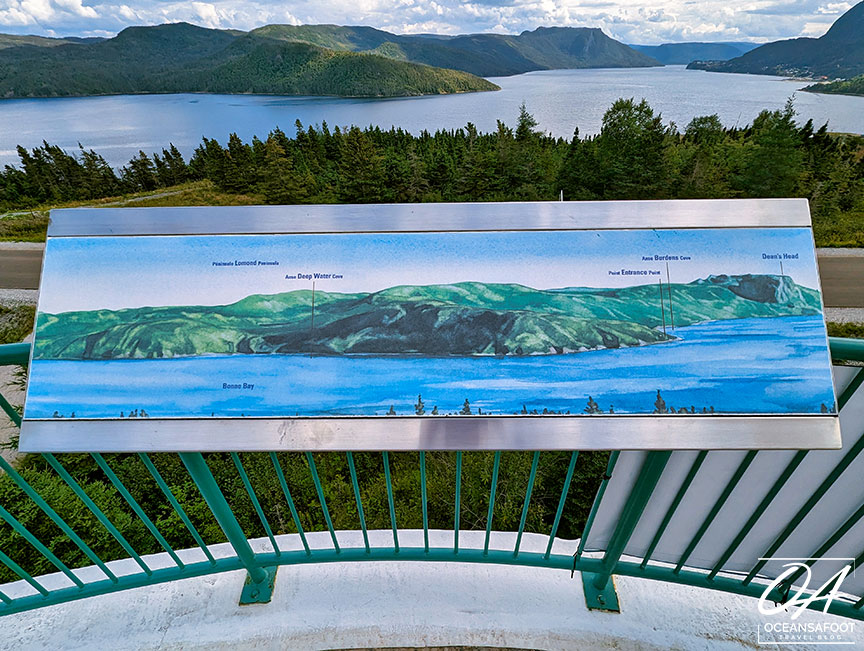
Before we concluded our visit, we stepped out onto the Discovery Centre’s viewing platforms to take in the grandeur of Bonne Bay. From this vantage point, the serene waters stretched out below us, reflecting the brilliant hues of the sky.
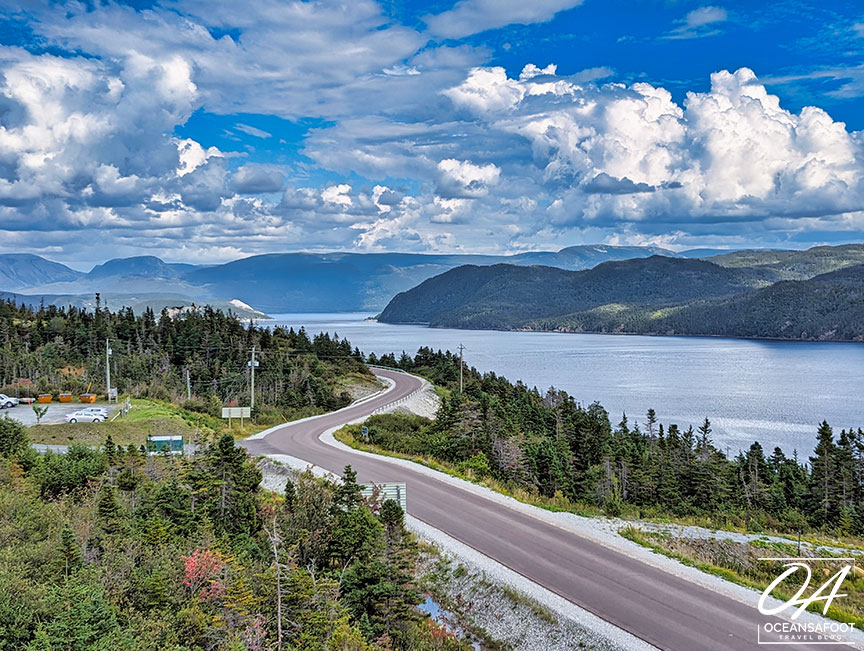
Both the lower and upper platforms provided a peaceful space to reflect on the day’s experiences, offering one last, breathtaking view of Gros Morne’s landscape.
Gros Morne’s Afterglow
By late afternoon, we returned to the ship. Our visit to Gros Morne, Trout River, and its local cuisine provided a meaningful experience. The day combined exploration with an appreciation of the region’s natural and cultural heritage, increasing our desire to explore more of Newfoundland in the future.
Tour Name: Gros Morne National Park Interpretive Walk
Cruise Line/Ship: Holland America Lines Zaandam
Tour Operator: Wildland Tours
Duration: Approx. 7 hours
© OceansAfoot