East Troy Electric Railroad Museum
1-hour, 30-minute train ride
East Troy Electric Railroad, 2002 Church St, East Troy, WI 53120
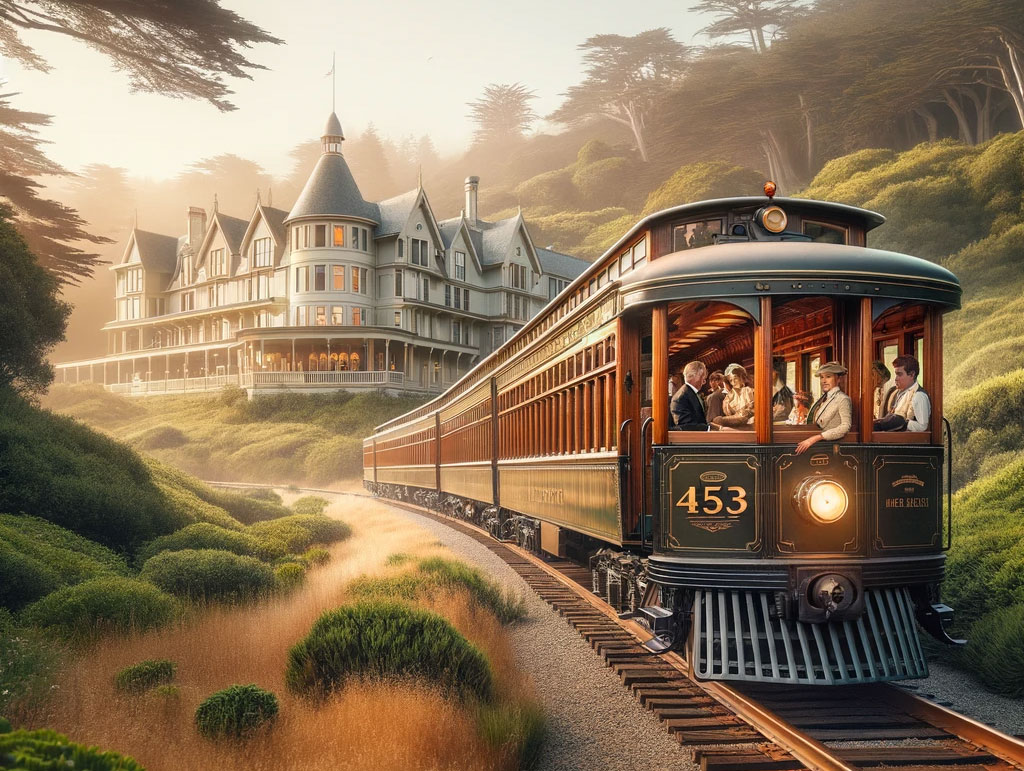
On a warm and breezy afternoon, we found ourselves boarding a remarkable piece of history now serving as a tour service car on the East Troy Electric Railroad. This journey, however, is more than a scenic excursion; it’s a passage through the very heart of American railroading heritage. The story of Car #4453, now a cherished part of the East Troy experience, is intertwined with that of its fellow travelers from a bygone era. Among these, the vintage South Shore Cars stand out, each with its own tale of transition and preservation.

The South Shore Legacy
In 1977, the establishment of the Northern Indiana Commuter Transportation District marked a new chapter for the South Shore Railroad, leading to the acquisition of new cars with federal support and the donation of vintage cars to the National Park Service. By 1984, the narrative of these cars took a fascinating turn as they were deaccessioned and found new homes, with the East Troy Railroad Museum becoming a proud guardian of eight such treasures. This museum, operating over eight miles of historic electric interurban track, not only preserves these vehicles but also celebrates their legacy by inviting visitors to experience a ride into the past.
A Museum on Tracks
As we settled into the wooden seats of Car #4453, surrounded by period advertising and the rhythmic clatter of wheels on tracks, we’re reminded of the broader tapestry of rail history that the East Troy Electric Railroad weaves into its journey. The museum’s commitment to maintaining these vintage cars, including the South Shore Cars, in line with stringent guidelines, underscores a deep reverence for this legacy.

The Evolution of the East Troy Electric Railroad
The narrative of our ride extends beyond the confines of a single car or railroad line. It encapsulates the evolution of rail travel in America, mirroring the resilience and transformation of the East Troy Electric Railroad itself. From its early days in the wake of the Industrial Revolution to its rebirth as a non-profit museum in 1999, each chapter in its story reflects a steadfast dedication to preserving a way of life that once defined communities and commerce across the nation.
The East Troy Railroad’s Journey
As the 1920s dawned, the East Troy Electric Railroad confronted formidable challenges that threatened its very existence. The burgeoning era of automobiles ushered in a steep decline in passenger reliance on rail transport, leaving the railroad teetering on the brink of obsolescence. Its lifeline dwindled to the sparse freight services that remained. Yet, in the face of these adversities, the railroad’s story was far from over. Demonstrating a remarkable tenacity, the East Troy Electric Railroad began to chart a course through turbulent waters, proving its resilience.
A New Chapter
This resilience was most notably manifested in the late 20th century, marking a pivotal moment in the railroad’s chronicle. Around 1999, a bold transformation took place: the East Troy Electric Railroad redefined itself as a non-profit museum. This transition was not merely a change in operation but a resolute pledge to preserve the soul of the railroad. It aimed to immortalize the rich tapestry of its history, paying homage to its fleet of vintage ‘L’ line cars, adorned in their distinctive brown and purple colors, numbers 24 through 73. This era of the railroad not only celebrated its past but also secured its legacy for posterity.
A Unique Place in History
The journey to this transformation had its roots in the mid-20th century. Between the 1940s and the 1970s, the East Troy Electric Railroad distinguished itself as the sole municipally owned railroad in the nation. This phase marked a departure from traditional private ownership, embodying a unique experiment in public utility management at a time dominated by private interests.

The decision to transition into a non-profit museum in 1999 underscored a deeper, more profound commitment to preserving the railroad’s historical significance and ensuring its narrative would be celebrated by future generations.
Hotel Beulah: A Bygone Sanctuary of Splendor
2-minute photo stop on tracks
Near Lake Beulah, WI
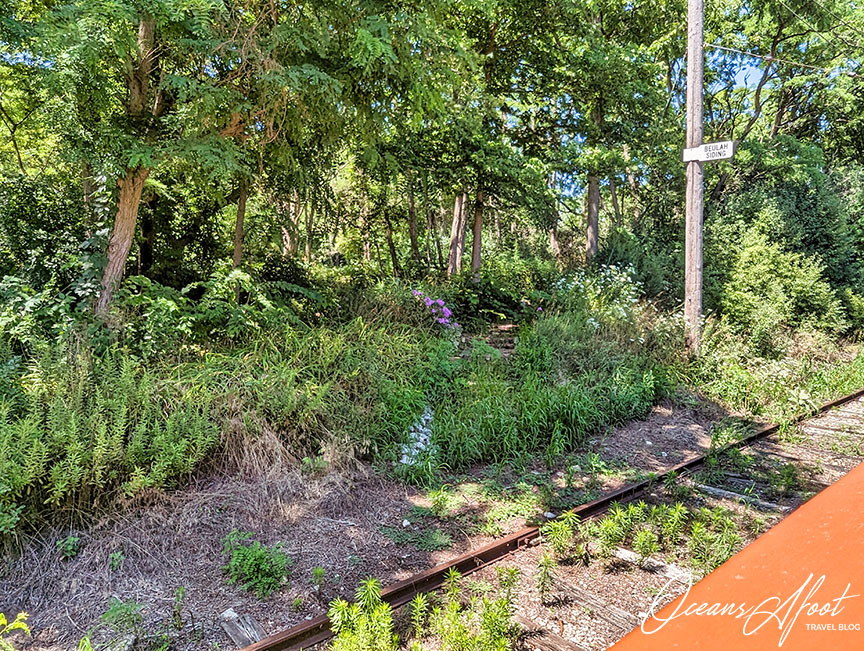
Our expedition momentarily pauses at a poignant symbol of the era that the vintage South Shore Cars represent. Near Lake Beulah, the remnants of the grand Hotel Beulah’s sidetrack staircase whisper tales of a time when rail travel brought eager guests to its doors, much like the East Troy Electric Railroad connects us today to the landscape’s storied past. This brief stop beside the tracks serves as a gentle reminder of the transient nature of history and the efforts to keep its spirit alive.
Unparalleled Elegance and Recreation
Hotel Beulah was more than a summer resort; it was a celebration of elegance and leisure. Its design and location capitalized on the panoramic vistas of Lake Beulah, complemented by the hotel’s architectural magnificence. Inside, it featured airy rooms, luxurious parlors, and a grand ballroom that hosted a vibrant social calendar. The hotel’s array of amenities—ranging from scenic carriage rides and boat excursions to concerts and dances—ensured guests experienced both the serenity of nature and the pleasure of society.
Health and Harvest
A hallmark of Hotel Beulah was its artesian mineral spring, lauded for its curative virtues. This natural feature, alongside the hotel’s dedication to serving gourmet fare sourced from its own lands, underscored its commitment to the well-being and indulgence of its guests. The mineral spring, analyzed for its healthful properties, coupled with the farm-to-table dining experience, positioned the hotel as a sanctuary for health and luxury.
Modern Connections and Recreational Diversity
Despite its retreat-like atmosphere, Hotel Beulah bridged the gap to the bustling cities through amenities like long-distance telephone service, ensuring that guests remained connected to the wider world while ensconced in leisure. The hotel’s diverse recreational offerings, from tennis and bowling to bathing beaches and ballroom dancing, catered to every inclination, making it a comprehensive haven for relaxation, socialization, and health.
Echoes of a Bygone Era
Today, as visitors pause by the railway, the legacy of Hotel Beulah is palpable in the quiet air and the verdant surroundings. What remains is a poignant echo of a time when opulence and nature converged to create an unparalleled haven of leisure and health—a testament to the grandeur and vision that once defined Hotel Beulah.
The Journey to The Elegant Farmer
30-minute optional stop
Elegant Farmer Station, 1000 Co Hwy J, East Troy, WI 53120
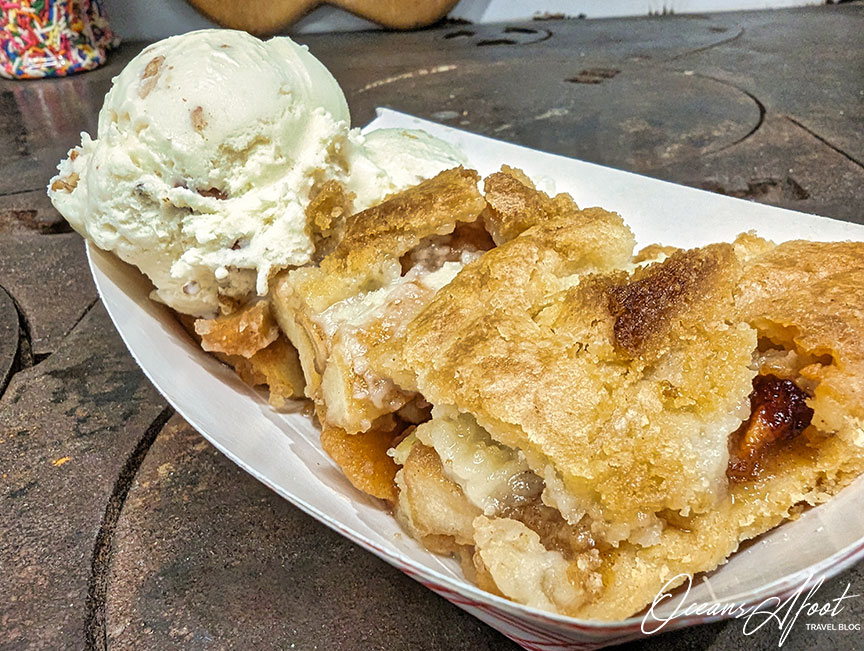
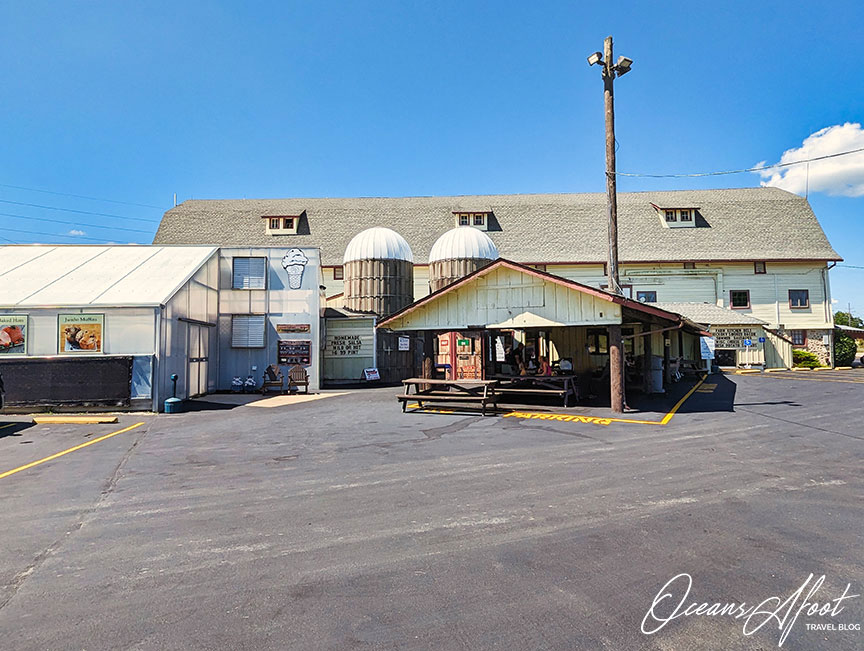
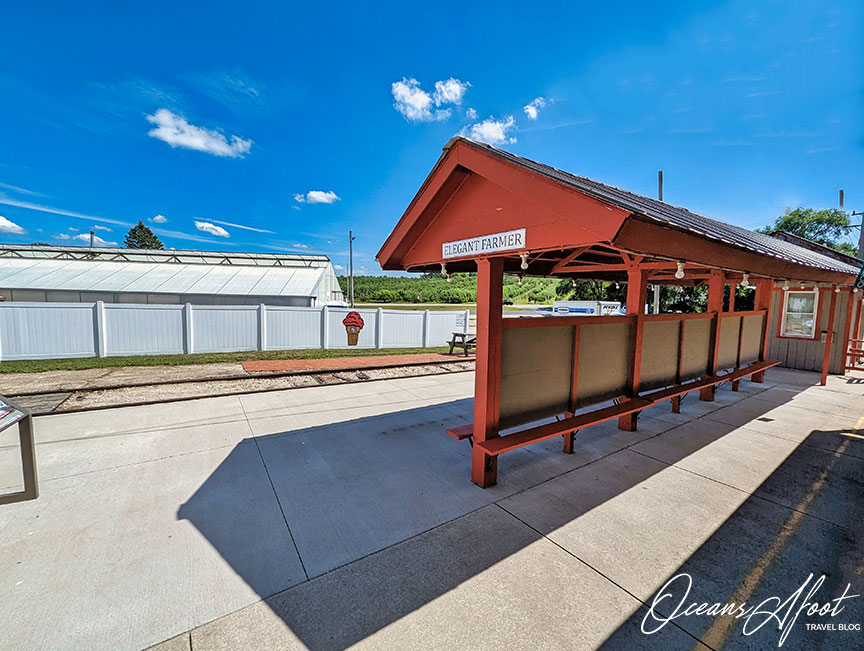
By late afternoon, a highlight of our nostalgic trip unfolded as we arrived at the renowned Elegant Farmer station. This storied stop served as a delightful interlude, renowned for its innovative “Apple Pie Baked in a Paper Bag.” A tradition that began in 1946, the farm has since become a beacon of culinary excellence.
The Origins of A Farmstead Icon
The Elegant Farmer’s journey from a humble dairy farm to a culinary destination is a tale of innovation and dedication. Founded by Dave and Elmer Scheel, the farm has remained within the family, now under the guidance of the fourth generation. This continuity has ensured that the essence of the farm—its family charm and commitment to quality—has not only been preserved but has flourished.
A Feast for the Senses
As we approached, the irresistible aroma of fresh-baked goods filled the air, and the sprawling 65-acre farm unfolded before us, showcasing an abundance of nature’s offerings. The Elegant Farmer set the standard early for the ‘pick-your-own’ fruit and vegetable experience, a concept that has since become a popular trend.
Market of Delights
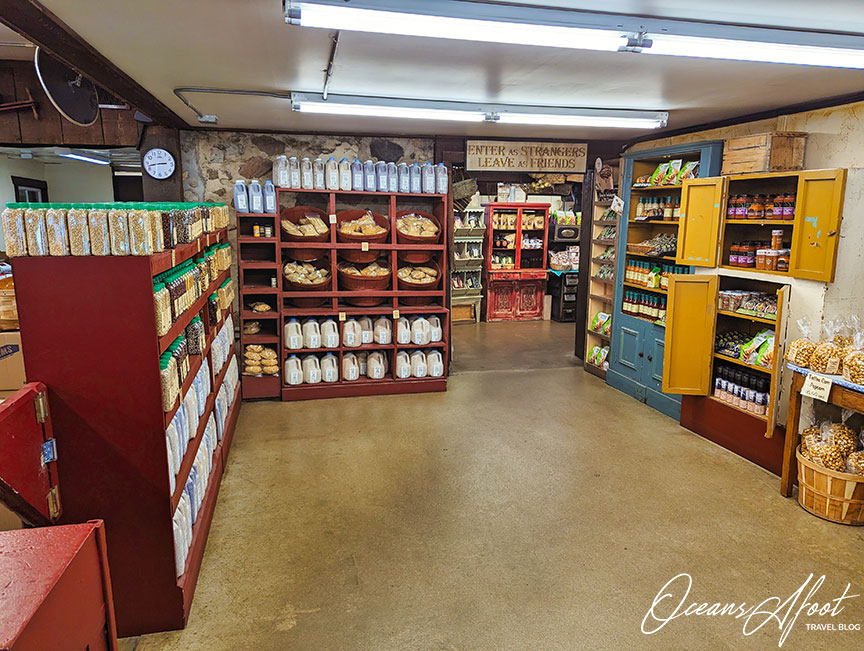
The market at the Elegant Farmer is a vibrant showcase of the farm’s dedication to quality and authenticity. With stalls overflowing with fresh produce, artisanal cheeses, and gourmet foods, visitors are transported to a time when food was crafted with care and passion. This experience at the Elegant Farmer encapsulates a return to genuine, heartfelt agriculture and culinary craftsmanship.
Homeward Bound
Leaving the Elegant Farmer behind, our train ventured an additional mile and a half before making its turnaround, signaling the end of its ride through history. We reconnected with the historic train at the Elegant Farmer Station where it gathered all passengers who had explored this stop. Heading back, we approached the East Troy depot, arriving right on schedule at 3:30 pm.
Journey’s End: A Legacy Preserved
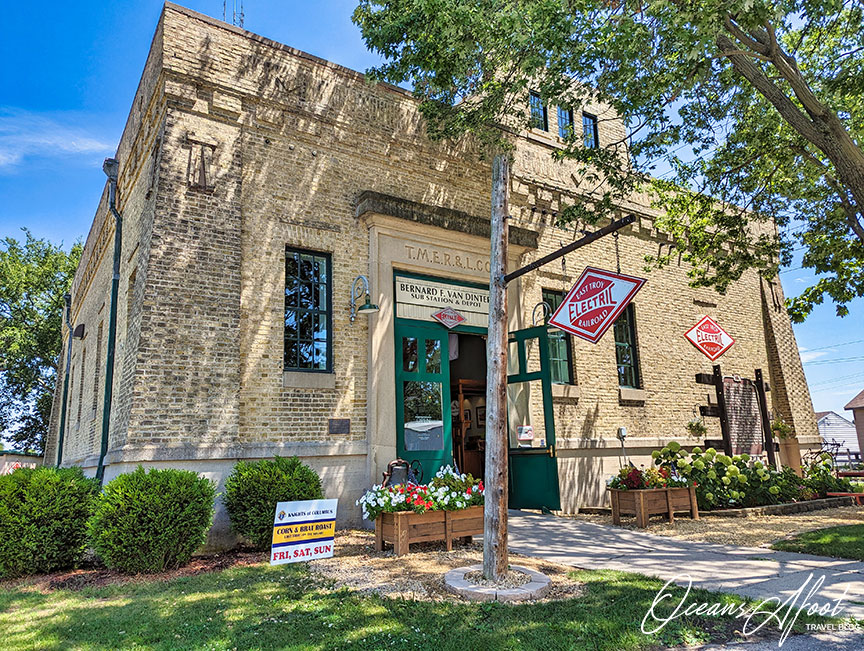
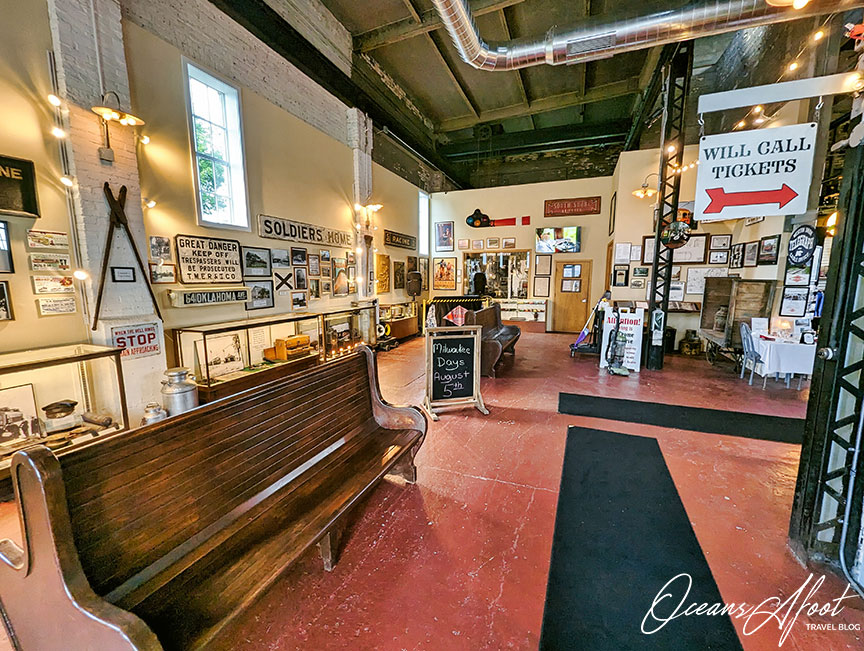
Upon disembarking, we entered the depot, now home to a small museum dedicated to the rich history of railroads. This museum showcases the evolution of train travel, prominently featuring the original 500 kW rotary converter motor-generator that once powered the rails.
Souvenirs of a Bygone Era
In addition to its historical displays, the depot houses a gift shop that offers visitors a tangible link to its illustrious past. From souvenirs that tell stories of journeys past to t-shirts celebrating the railroad’s heritage, and engineer caps symbolizing the crew’s pride, each item invites guests to take a piece of history home with them.
Reflecting on the Journey
As we depart, the narrative of the East Troy Electric Railroad, enriched by the legacy of the South Shore Cars and the broader tapestry of rail history, invites us to carry forward a deeper understanding and appreciation of this pivotal era in American transportation.
Cruise Port: East Troy, Wisconsin
Tour Name: Departing East Troy Depot
Tour Operator: East Troy Electric Railroad Museum
© OceansAfoot