The Lafayette Hotel
Address: 101 Front St, Marietta, OH 45750
Time Spent: Starting point
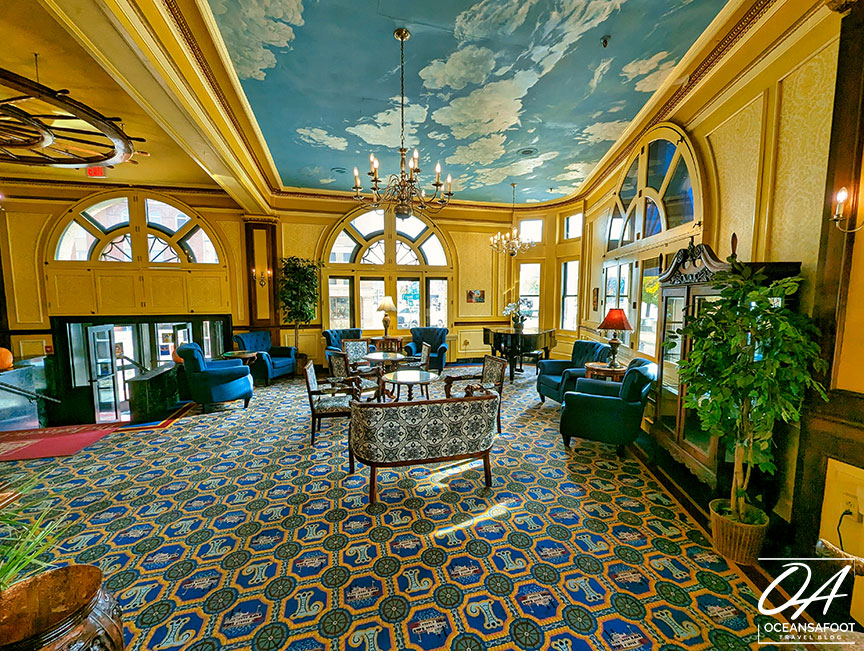
Our walking tour of Marietta’s historical homes commenced in the lobby of the renowned Lafayette Hotel, a structure that stands proudly as a tribute to the Marquis de Lafayette, a celebrated figure in the American Revolution. Constructed in 1918 on the foundation of the former Bellevue Hotel, the Lafayette Hotel embodies Marietta’s spirit of perseverance and renewal in the wake of early 20th-century growth.
Marietta-Washington County Convention and Visitors Bureau
Address: 119 Greene Street, Marietta, OH 45750
Time Spent: walk-by
Our first stop after the Lafayette Hotel is the Visitor’s Center, a gateway to understanding the historical and cultural context of Marietta. Here, we gathered maps and insights about the city’s development, which enhanced our appreciation for each site to come. The center provides essential orientation and serves as a starting point for deeper exploration into Marietta’s well-preserved landmarks and stories.
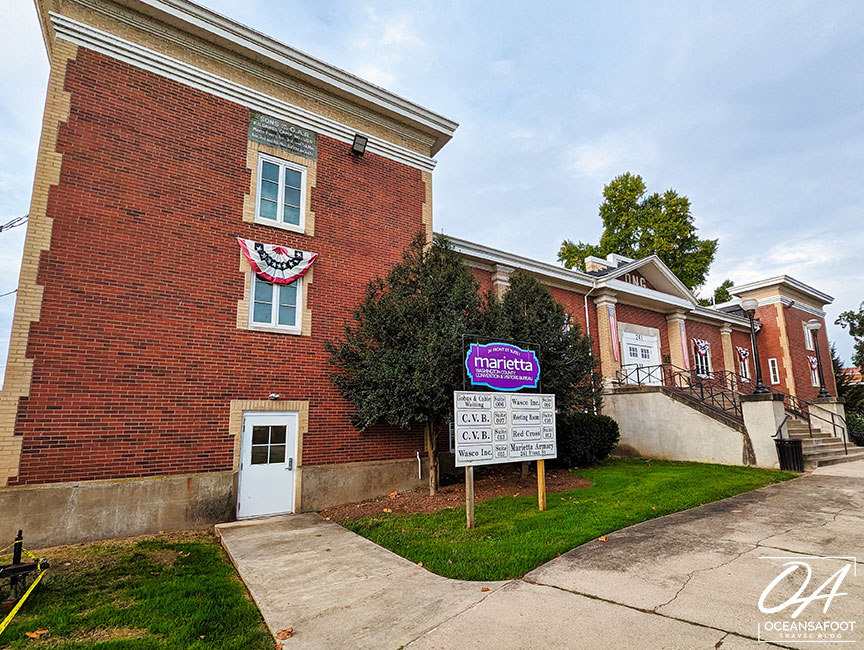
Architectural Diversity of 2nd Street
Setting off from the Lafayette Hotel, we moved along 2nd Street, making our way toward Putnam Street. This stretch of Marietta reveals the city’s architectural journey, where each building reflects a different period in Marietta’s growth. Walking along 2nd Street, we observed an engaging mix of historic homes and early commercial buildings, each contributing its own chapter to Marietta’s story.
Shipmen-Mills House
Address: 418 4th Street, Marietta, OH 45750
Time Spent: walk-by
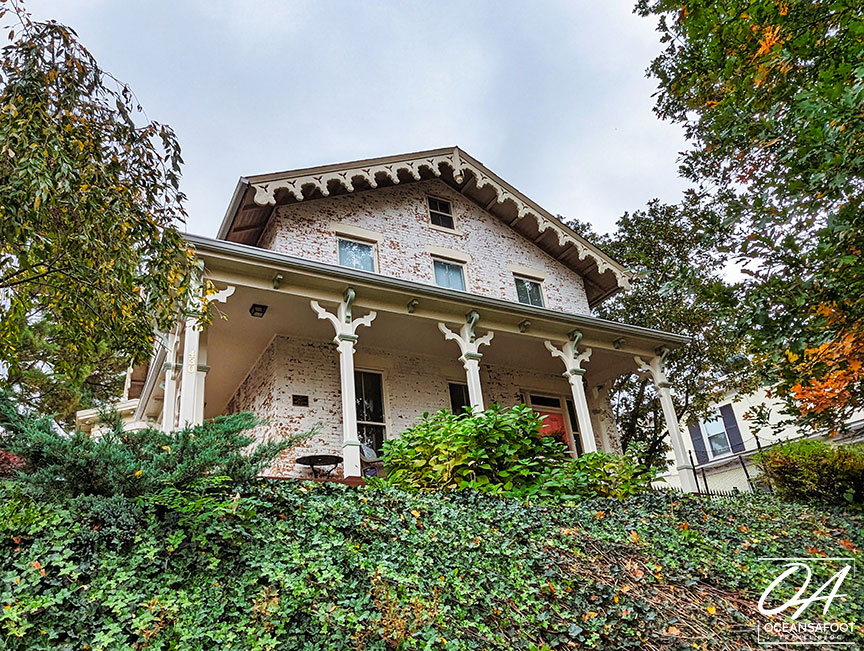
Along our route, we encountered the Shipmen-Mills House, an enduring example of 19th-century residential architecture. This residence offers a snapshot of Marietta’s architectural heritage, showcasing craftsmanship that has withstood the test of time.
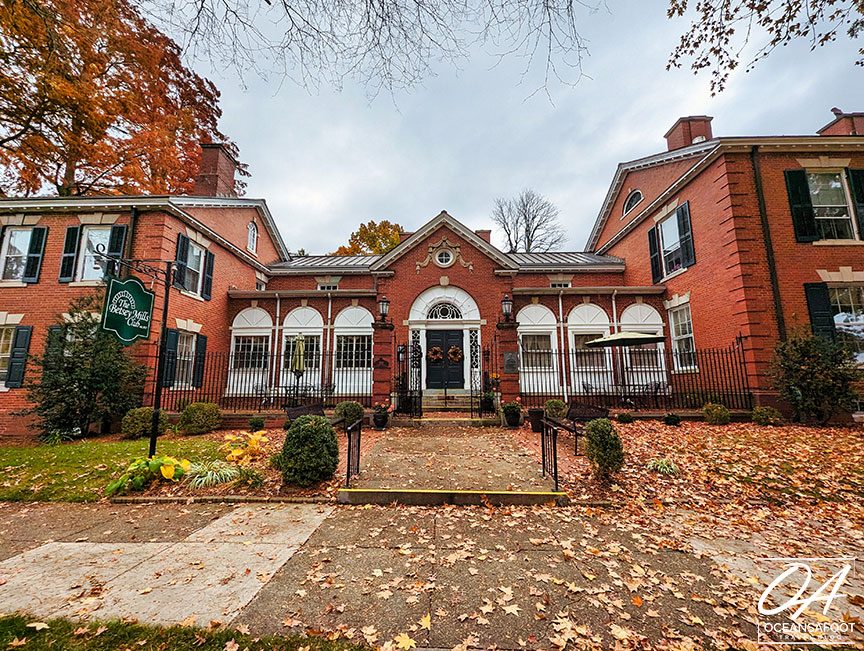
Betsey Mills Club
Address: 300 4th St, Marietta, OH 45750
Time Spent: walk-by
Beyond Putnam, our path led us to the Betsey Mills Club, a landmark that embodies both architectural beauty and a legacy of women’s empowerment in Marietta. This distinguished building serves as a monument to Betsey Mills and the impactful contributions of women in molding the city’s social and cultural foundations. For decades, the club has functioned as a vital gathering place for social engagement, educational programs, and community service.
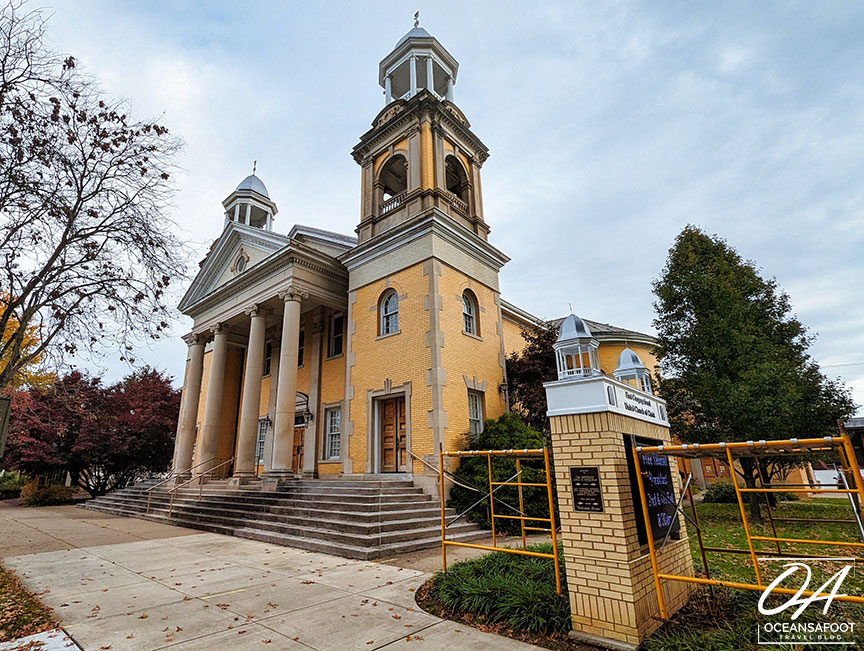
First Congregational Church
Address: 318 Front Street, Marietta, OH 45750
Time Spent: walk-by
Continuing down our path, we reached the First Congregational Church, a longstanding institution that has been a center for community and worship for generations. The church’s architecture, with its classic steeple and traditional design, speaks to the role faith has played in shaping Marietta’s values.
Mills House
Address: 521 4th St, Marietta, OH 45750
Time Spent: walk-by
Moving on from the Betsey Mills Club, our historical tour brought us to the Mills House, a residence closely tied to the legacy of the influential Mills family. This home embodies the Mills family’s lasting impact on Marietta’s development and prosperity.

George White House
Address: 414 4th St, Marietta, OH 45750
Time Spent: walk-by
After departing from the Mills House, our tour led us to the George White House, a historic landmark infused with political significance. Once the residence of George White, a notable Ohio governor and congressman, this home is a symbol of Marietta’s connection to Ohio’s political legacy.

Meigs House
Address: 326 Front Street, Marietta, OH 45750
Time Spent: walk-by
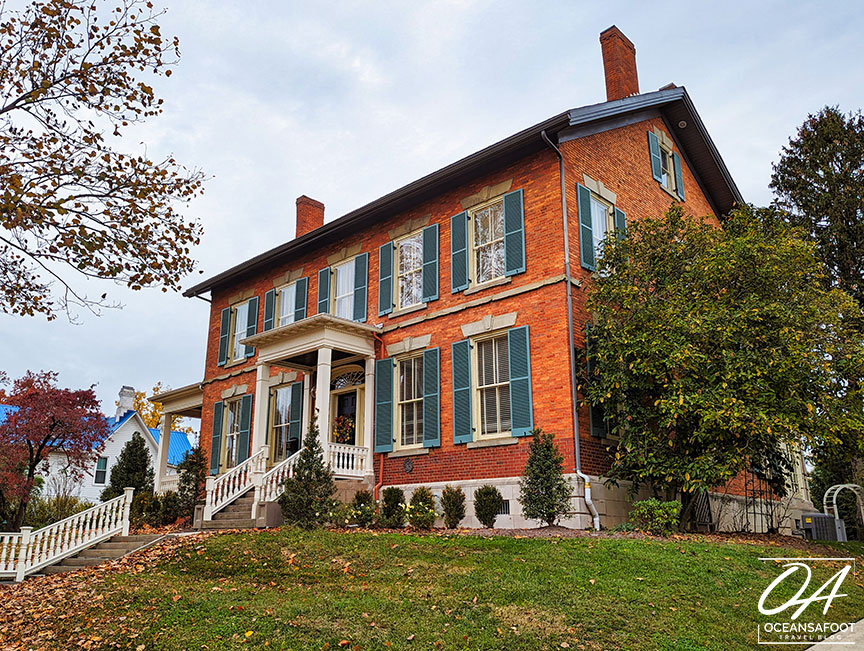
Our path then led to the Meigs House; a historic residence named for a family influential in Marietta’s history. This house adds another layer to our understanding of the city’s social and architectural evolution, revealing the lifestyles of the influential families that helped shape Marietta’s early communities.
House of Seven Porches
Address: 615 2nd St, Marietta, OH 45750
Time Spent: walk-by
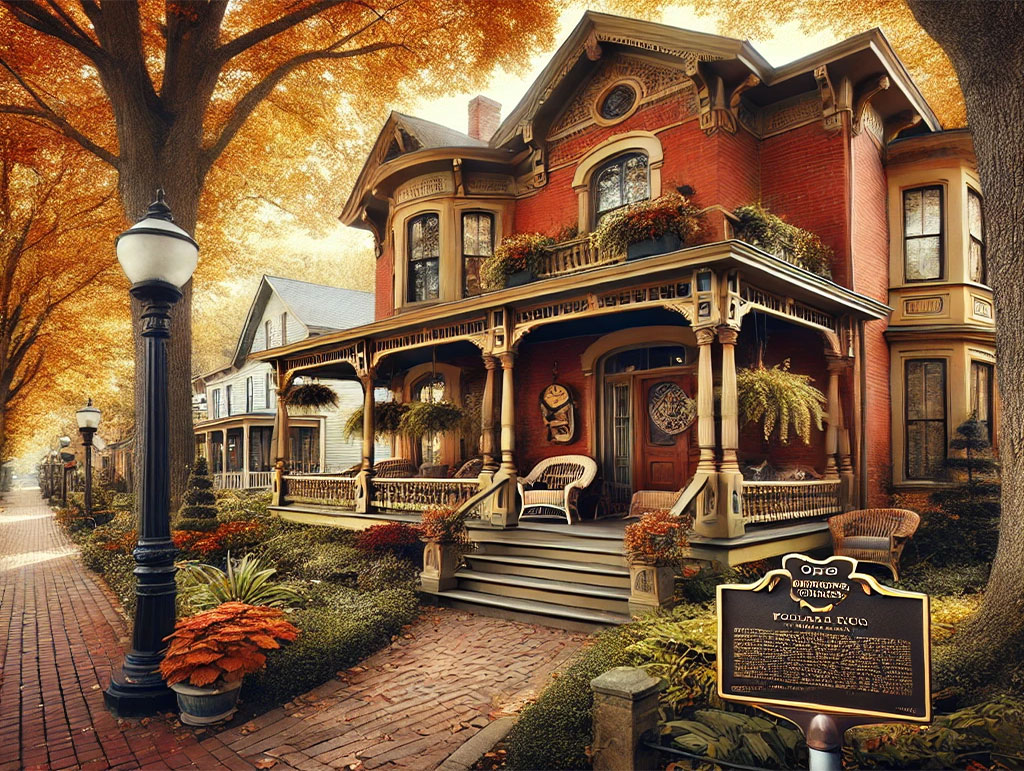
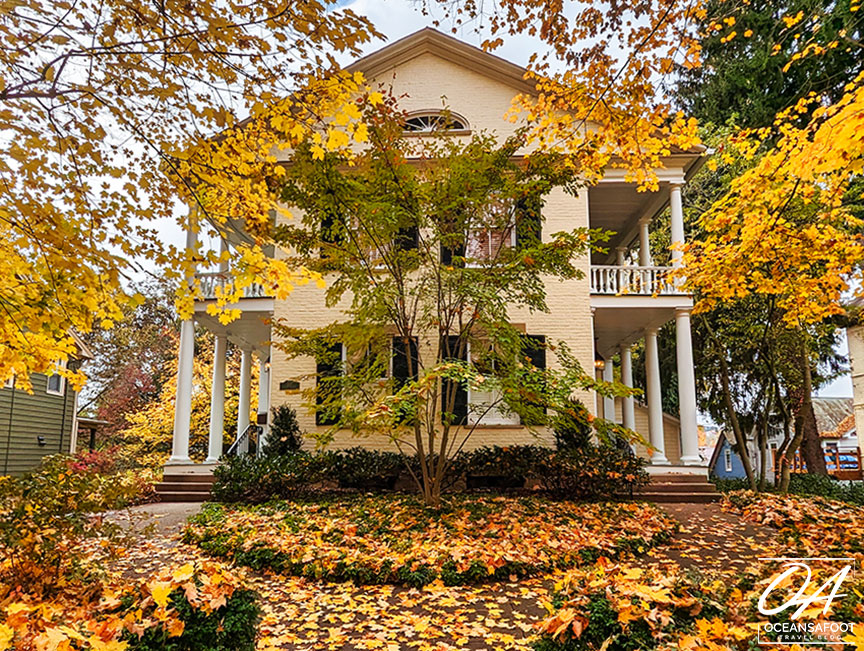
From the Meigs House, our path led us to the architectural marvel known as the House of Seven Porches. This unique building captivates not just with its design, but also with the stories each of its seven porches tells. Every porch is like a page from a historical book, each representing a different era and aspect of Marietta’s architectural and cultural evolution.
Mound Cemetery
Address: 5th St & Scammel St, Marietta, OH 45750
Time Spent: 40-minutes
Arriving at Mound Cemetery, we began our journey with the Adena Indian Mound, the cemetery’s most striking feature. Climbing the stone stairs to the top, we were rewarded with a sweeping view of Marietta, a sight that fostered a profound connection to the ancient Adena people, celebrated for their mound-building skills from around 800 BC to 100 AD. This mound, serving both ceremonial and burial purposes, stands as a testament to the long-standing human presence in the area and echoes Ohio’s broader mound-building traditions—like the famous Serpent Mound in Adams County—which reflects the ancient peoples’ deep spiritual ties to the landscape.

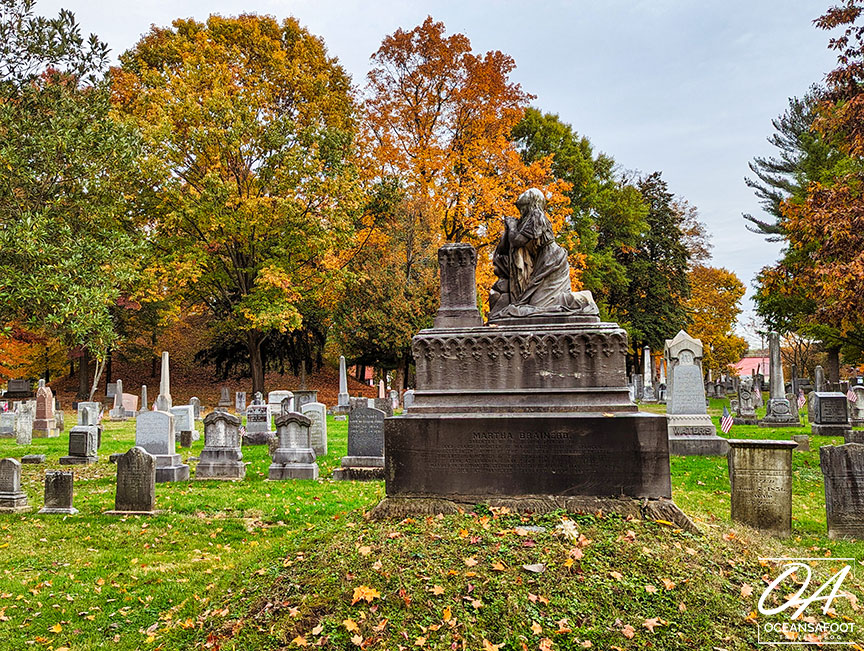
As we ventured deeper into the cemetery, it revealed itself as a hallowed ground for many of Marietta’s influential figures. Each headstone and monument shared its own chapter of Marietta’s story, contributing to a collective narrative of the city’s past. Martha Brainerd’s grave, for instance, offered a window into the lives of Marietta’s early settlers, capturing the resilience and spirit of those who first called this place home.
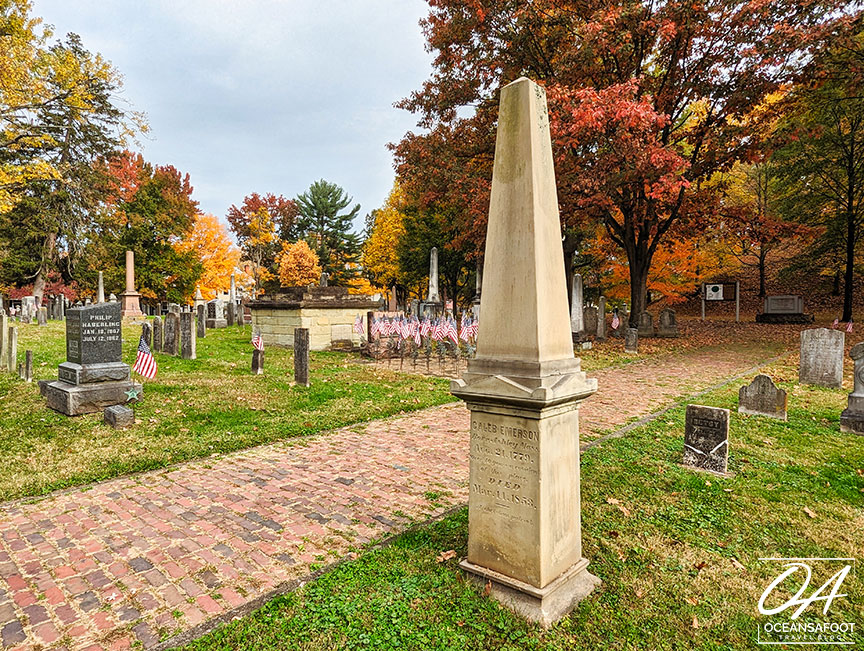
Nearby, we found the gravesite of Caleb Emerson, a key figure in the city’s development, reminding us of the foundational roles played by Marietta’s early leaders. Not far from Emerson rests General Benjamin Tupper, a Revolutionary War veteran and one of Marietta’s founders. His resting place stands as a tribute to the sacrifices and vision of those who fought for independence, merging the threads of national and local history.
Our visit culminated at the grave of Commodore Abraham Whipple, a revered figure in American naval history and a significant player in Marietta’s story. His gravesite prompted reflection on the bravery and leadership that shaped the United States in its infancy.
Cotton House
Address: 509 5th St, Marietta, OH 45750
Time Spent: walk-by
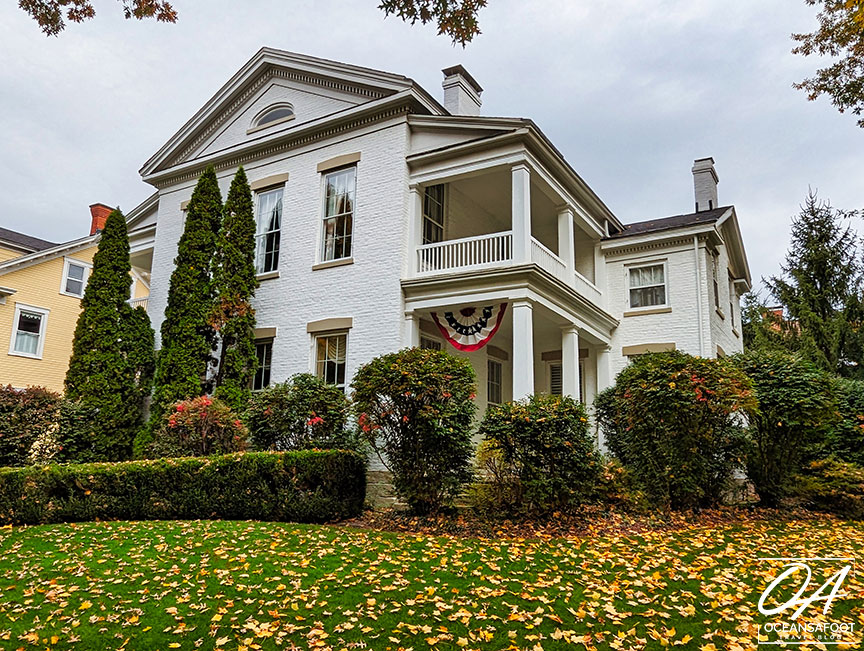
Leaving Mound Cemetery, we continued our historical walking tour and arrived at the Cotton House, a remarkable example of Marietta’s 19th-century residential architecture. The house’s impressive stature instantly reflected the influence of the Cotton family, whose legacy was pivotal to the city’s early development.
Basilica of St. Mary of the Assumption
Address: 506 4th St, Marietta, OH 45750
Time Spent: 20-minutes
Moving on from the Cotton House, our walking tour led us to the awe-inspiring Basilica of St. Mary of the Assumption, a landmark steeped in Marietta’s religious and cultural heritage. As we approached, the basilica’s stunning architecture commanded our attention, with its elegant facade and towering structure reflecting the dedication of Marietta’s early Catholic community.
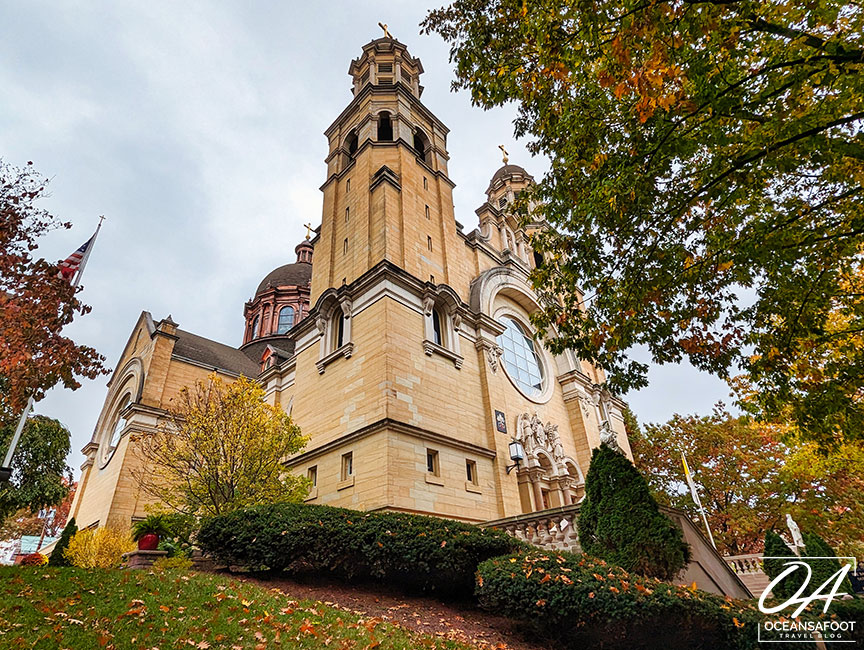
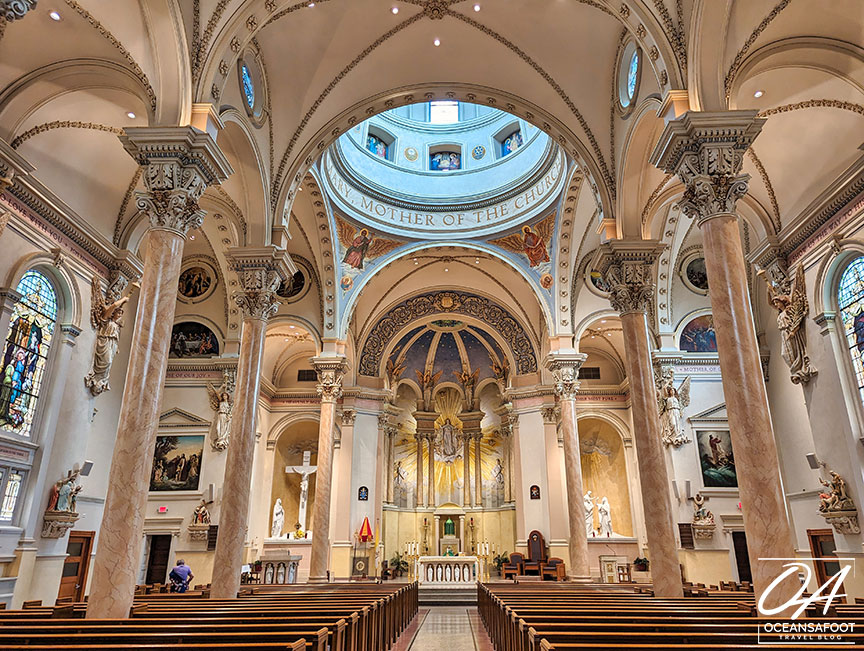
Built in the mid-19th century, the basilica stands as a tribute to the faith and resilience of the settlers who founded it. Stepping inside, we were captivated by the intricate architecture and the grandeur of the altar, each detail reflecting the artistic influences and evolving styles that have shaped the basilica over time. This sacred space, serving as both a place of worship and a historical landmark, holds a special place in Marietta’s story.
Philippines Best Food Restaurant
Address: 2309 Ohio Ave, Parkersburg, WV 26101
Time Spent: 45-minutes
After a morning filled with historical explorations in Marietta, the arrival of noon brought with it a growing hunger. Fortunately, we had been holding onto a gem of an article for several months, detailing The Best Cheap Place to Eat in Every State, which led us to a delightful detour. Motivated by the article’s recommendation, we set off for Parkersburg, WV, to dine at the Philippines Best Food Restaurant.

At the restaurant, we savored the flavors of their signature lumpia and the tangy sweet and sour chicken paired with aromatic fried rice. The meal was a flavorful journey that added a new dimension to our day, with the variety of sauces used introducing an unexpected twist to every bite.
The Castle
Address: 418 4th St, Marietta, OH 45750
Time Spent: 1-hour
After our lunch in Parkersburg, we returned to Marietta to begin our tour of The Castle, a landmark that reflects the town’s social, economic, and cultural evolution. Built in the 1850s, The Castle served as the residence of prominent families whose influence helped shape Marietta’s growth. Our guide, Mary, welcomed us in the Carriage House, an essential part of the estate, where a short film introduced the estate’s history and the notable figures who once called it home.
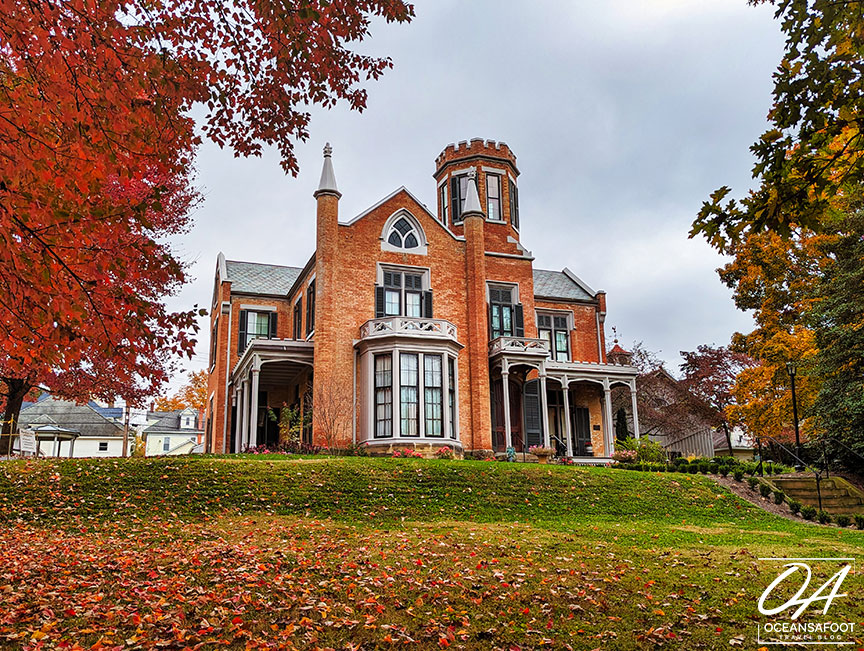
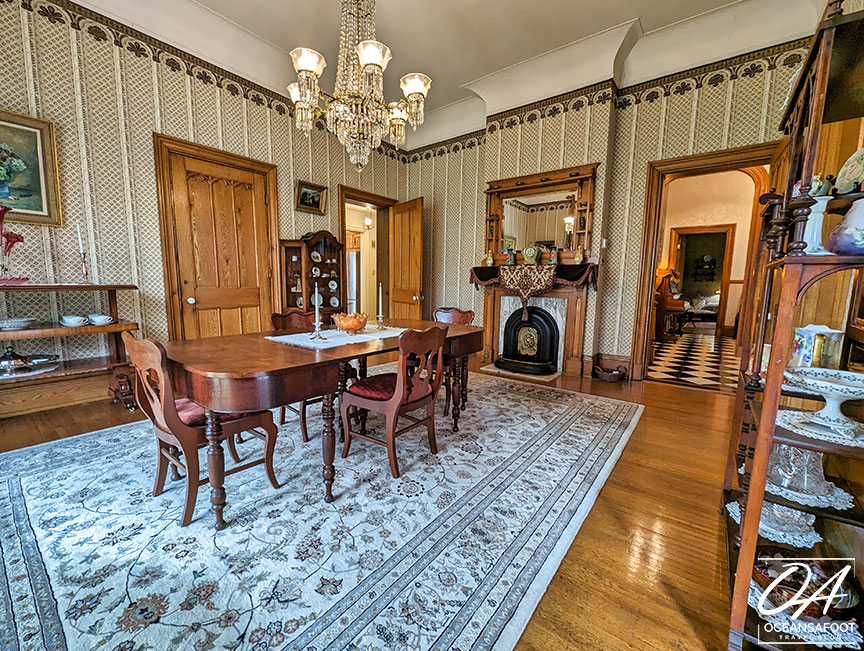
From there, Mary guided us into The Castle itself, leading us through its rooms, each of which offered a unique glimpse into the past. The tour unfolded room by room, revealing distinct aspects of daily life within the estate. In the Parlor, furnished with elegant period pieces, Mary shared stories of social gatherings and traditions that once filled the space. Moving to the Dining Room, we learned about the customs of formal meals and hospitality that defined the era.
In the Library, shelves lined with carefully preserved books hinted at the intellectual pursuits and interests of the estate’s residents, while Mary shared anecdotes about personal lives and achievements. Upstairs, the bedrooms presented a more intimate look at daily routines, with personal artifacts illustrating both the comforts and challenges of the time.
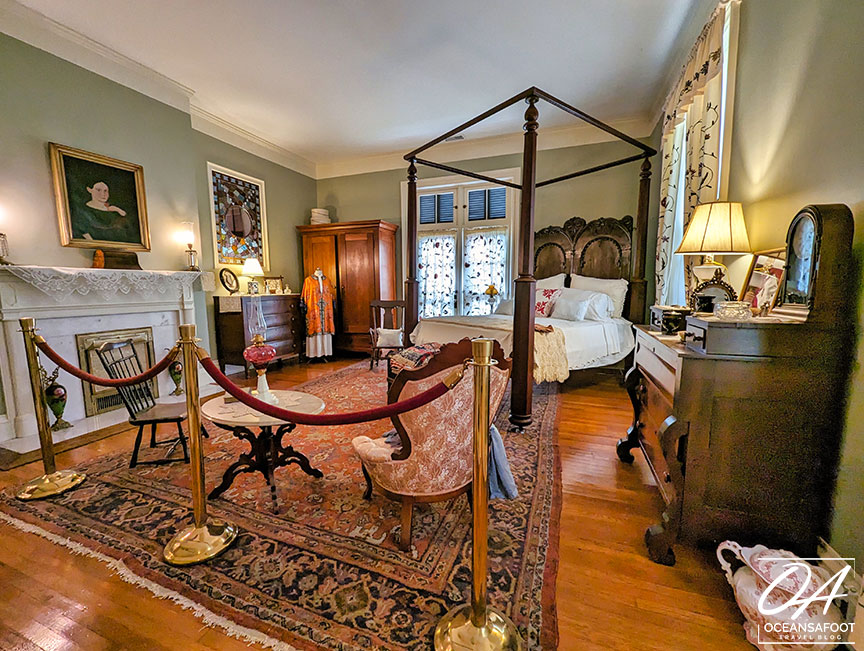
Mary’s storytelling vividly brought each room to life, weaving together the legacies of The Castle’s owners. The room-by-room journey offered a rich narrative, immersing us in the estate’s history and the generations who shaped its story.
Rufus Dawes House
Address: 706 3rd St, Marietta, OH 45750
Time Spent: walk-by
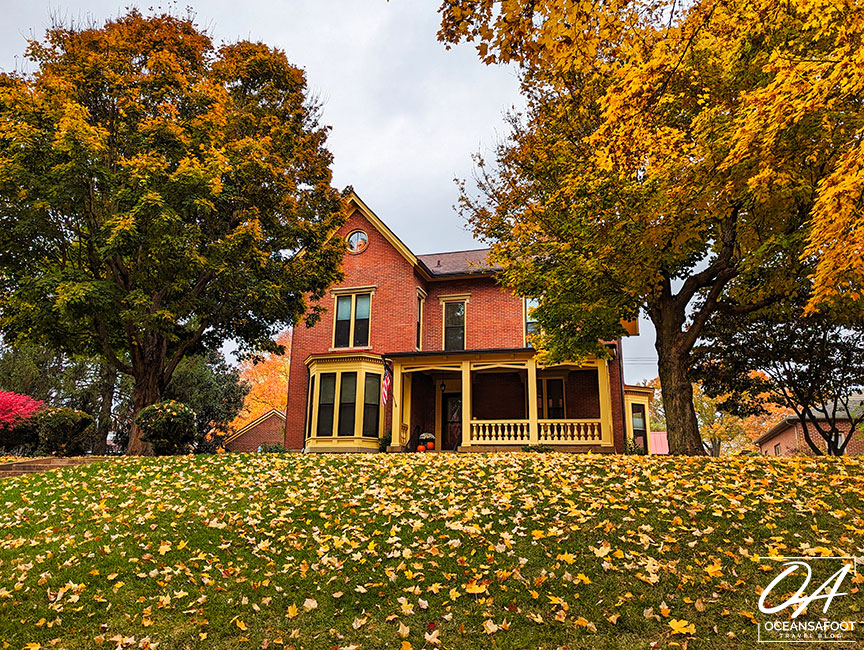
After concluding our tour of The Castle, we continued to the neighboring Rufus Dawes House, a historic residence that stands as a testament to the Dawes family’s lasting impact on Marietta and the nation. Far more than a local landmark, the Rufus Dawes House reflects the family’s contributions to both the economic and political landscapes. Rufus Dawes, a prominent figure in American history, was instrumental in advancing business and political initiatives that bolstered Marietta’s growth and prosperity.
Campus Martius Museum
Address: 601 2nd St, Marietta, OH 45750
Time Spent: 1.5-hours
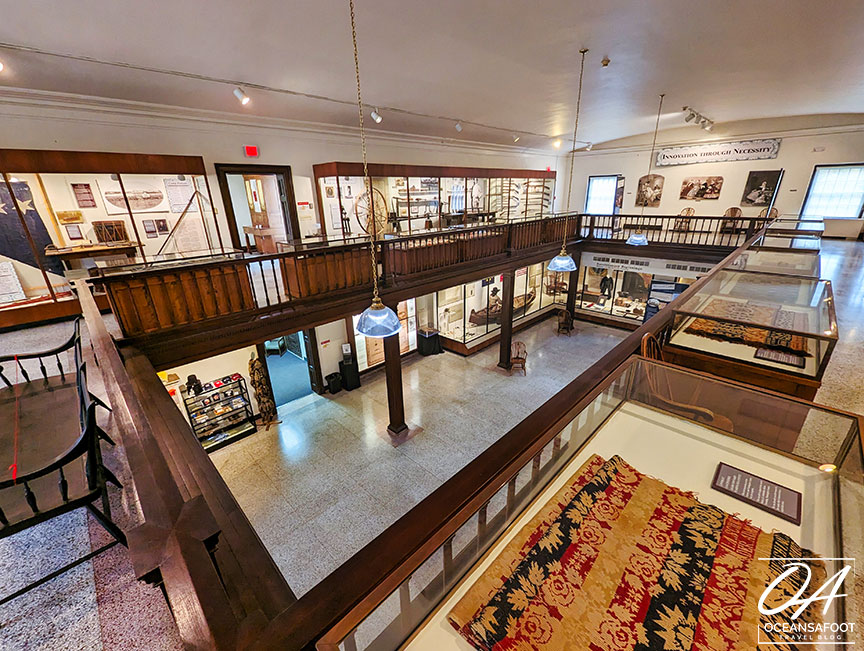
Following our visit to the Rufus Dawes House, we proceeded to the Campus Martius Museum, a multi-level institution that serves as a rich repository of regional history. Each floor presented distinct exhibits, offering a comprehensive look into Marietta’s and Ohio’s past through immersive displays.
Starting on the first floor, we explored exhibits dedicated to Ohio’s earliest history and the foundational period of Marietta. The Ohio’s First Peoples exhibit offered a captivating look at the region’s prehistoric inhabitants, including the Adena and Hopewell cultures who built the Marietta Earthworks mounds. Moving through the Beginning of America’s Start Westward exhibit, we learned about the Ordinance of 1787 and the Ohio Company’s critical role in pioneering westward expansion.
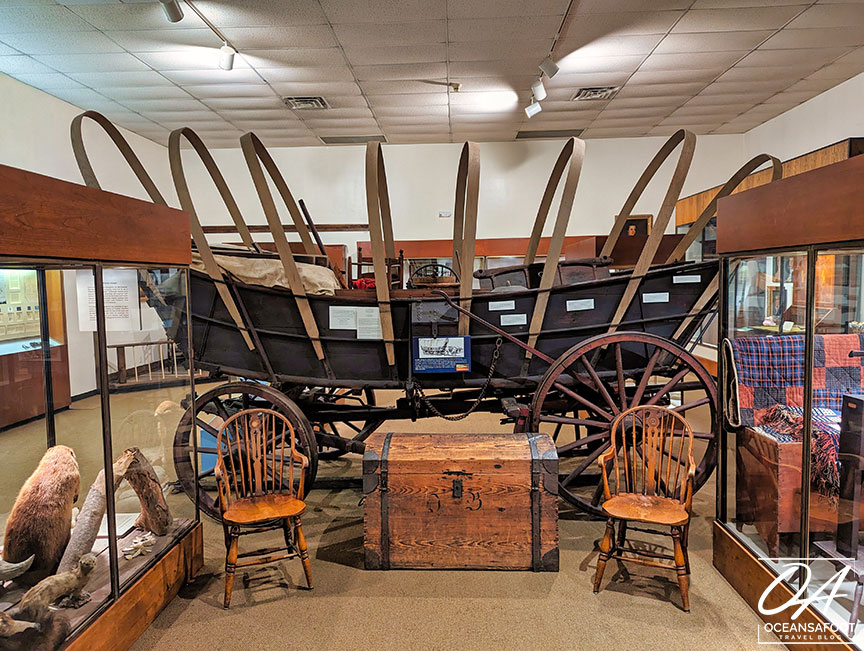
In Fort Harmar, we gained insights into the fort’s establishment in 1785, while Life on the Frontier illustrated the resilience and adaptation required of early settlers. The exhibit dedicated to the Rufus Putnam House and Campus Martius Fortification gave us a glimpse into life in the 1780s, showcasing artifacts and reconstructed rooms that brought the pioneer experience to life.
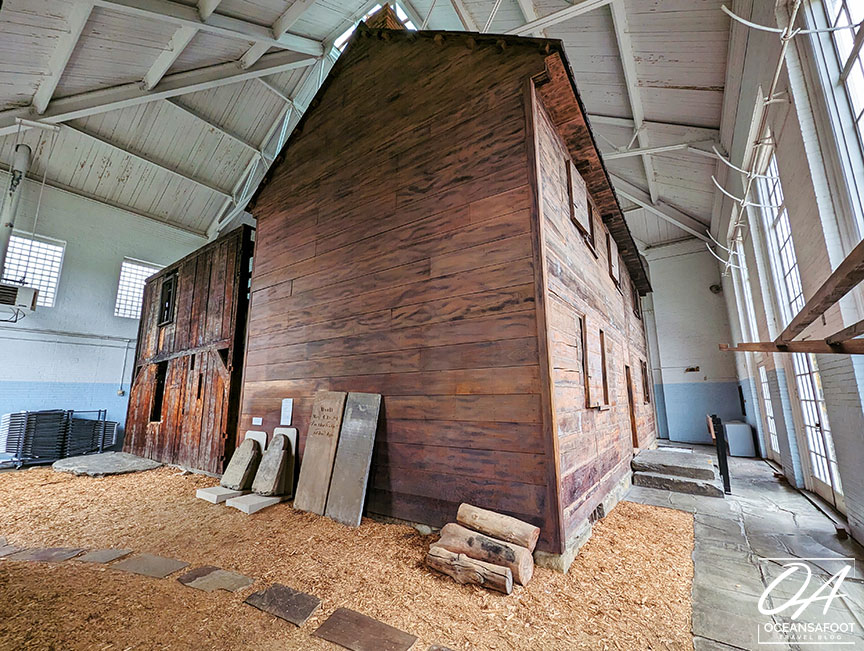
On the mezzanine level, the Innovation through Necessity exhibit offered a close-up view of Marietta’s industrious 19th century, highlighting locally crafted goods, family enterprises, and the region’s role in the early days of oil production. This exhibit underscored how practical needs drove the ingenuity and economic growth that marked the period.
Descending to the lower level, we encountered Paradise Found and Lost: Migration in the Ohio Valley, 1850-1970, an exhibit exploring the major migration waves that transformed Ohio’s cultural and economic landscape. This exhibit, rich with artifacts, audio recordings, and interactive stations, traced the impact of migration on the region’s social fabric over more than a century.
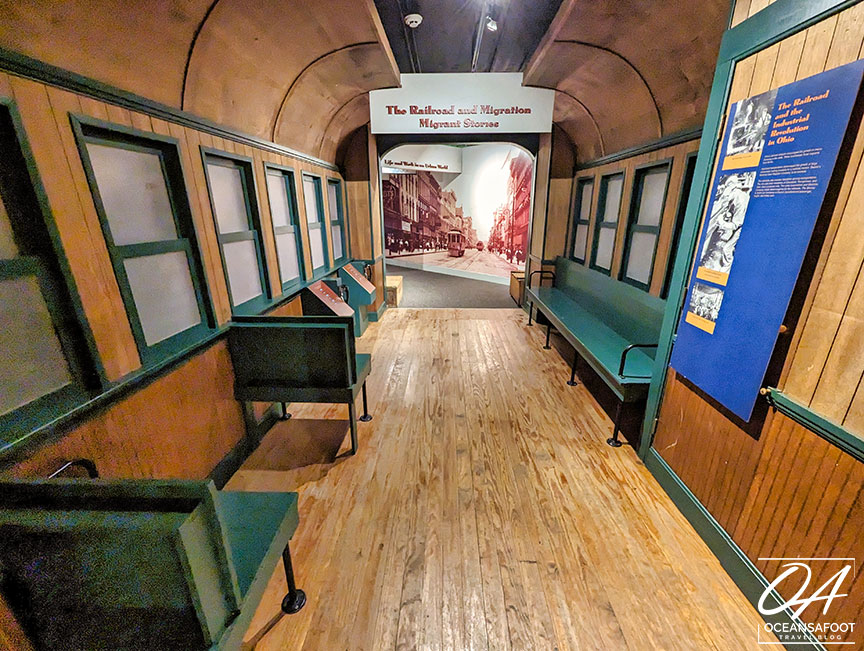
Each level of the Campus Martius Museum brought a different facet of Marietta’s story to life, offering an in-depth and engaging experience of the region’s historical evolution, from prehistoric times to the modern era.
Reflective Walk Back to the Lafayette Hotel
With our visit to the Campus Martius Museum complete, we began our return to the Lafayette Hotel, completing a loop through Marietta’s history and historic homes. Along the way, we passed Larchmont, a testament to the prosperity of Marietta’s affluent families, and the Pratt McGirr House, reflecting the city’s entrepreneurial spirit. This journey, winding back to its starting point, provided a thorough appreciation of Marietta’s history, its influential families, and its exceptional architecture.
Tour Name: The Historical Gems of Marietta Ohio
Cruise Line/Ship: American Cruise Lines
Tour Operator: Self-Guided
Duration: Approx. 4 hours
© OceansAfoot