The day began bright and early for our Pacific to Atlantic transit of the Panama Canal. The Vision of the Seas, with 1,977 guests on-board, arranged transit at a cost of $ 380,000.
In 1903, Panama granted protectorate rights to a US constructed canal zone. Overseen by President Theodore Roosevelt, the canal project completed its achievement of an East to West Isthmus of Panama in 1914.
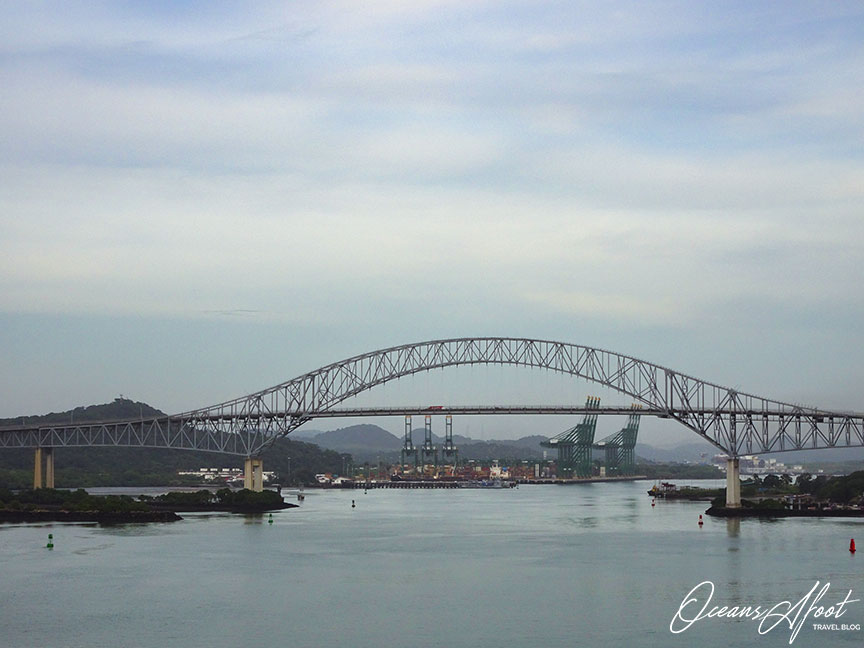
Bridge of the Americas
At 7:10am, the Bridge of the Americas was just overhead. We momentarily pulled aside for roughly 20 minutes to allow another vessel to enter the lock system ahead of us.
View of New Panamax Canal
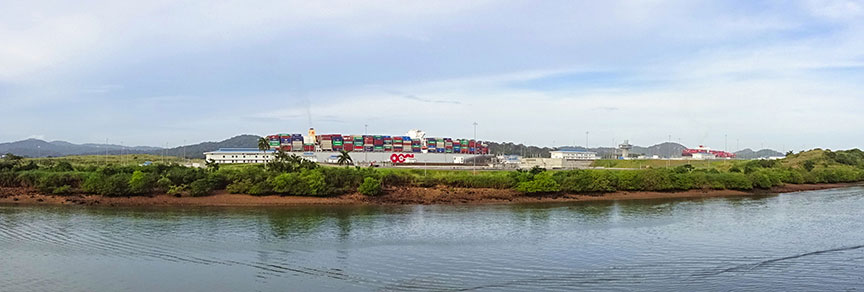
Off to our port side we caught a view of several large container ships entering the New Panamax Canal at the Cocoli Locks. This new canal system is able to support larger ships up to 1,200 feet in length and 160 feet in width. Consisting of just two lock systems the Cocoli and Clara locks and using tugs instead of mules.
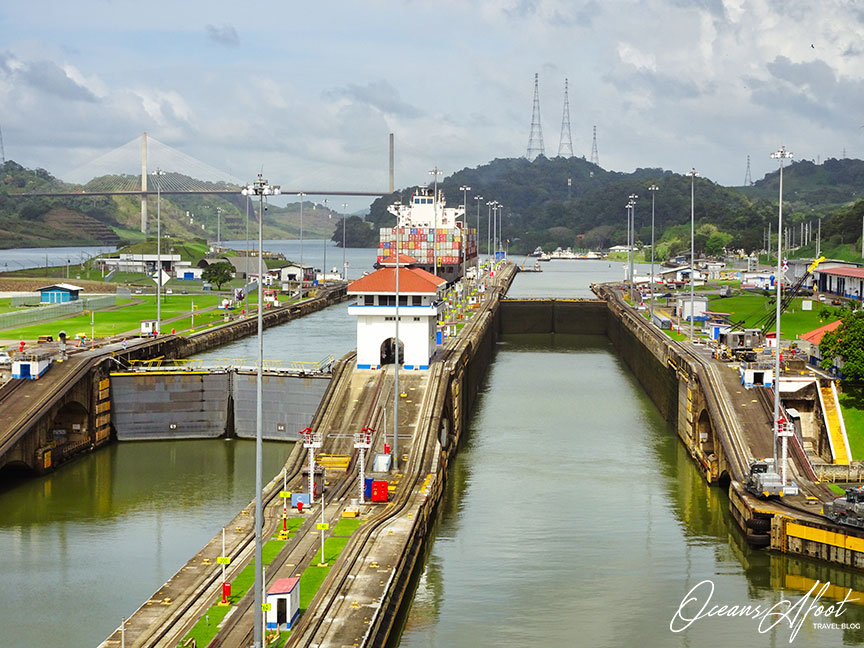
Miraflores Locks
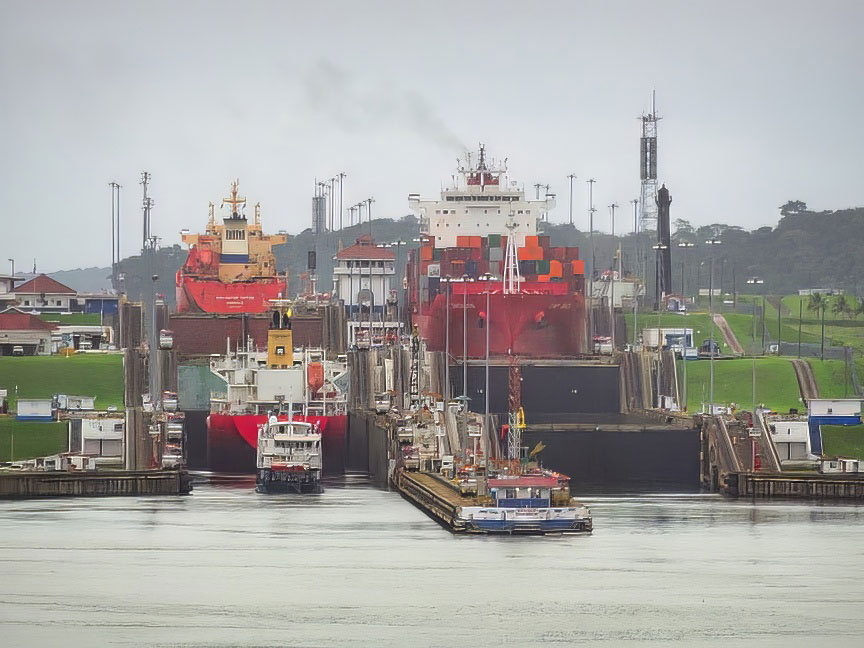
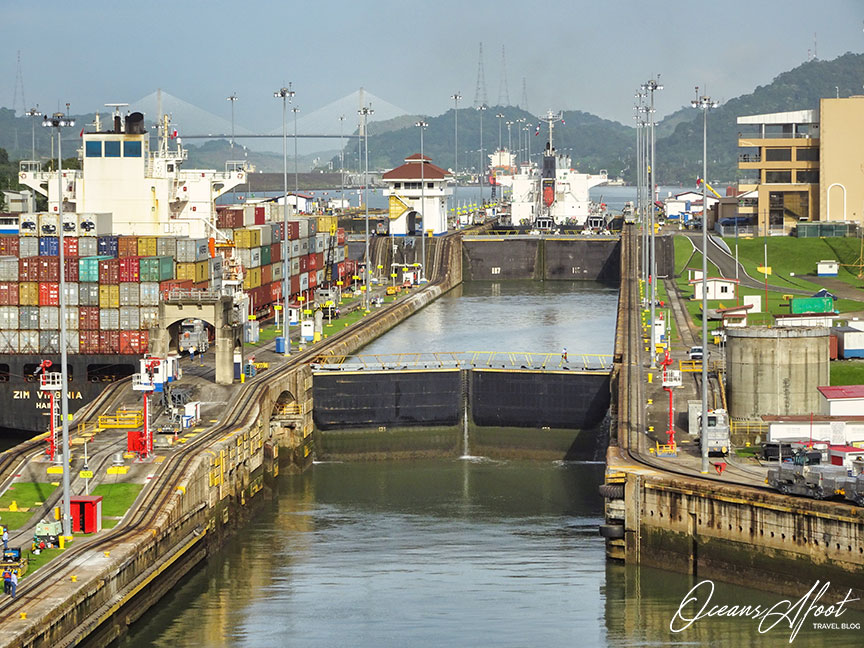
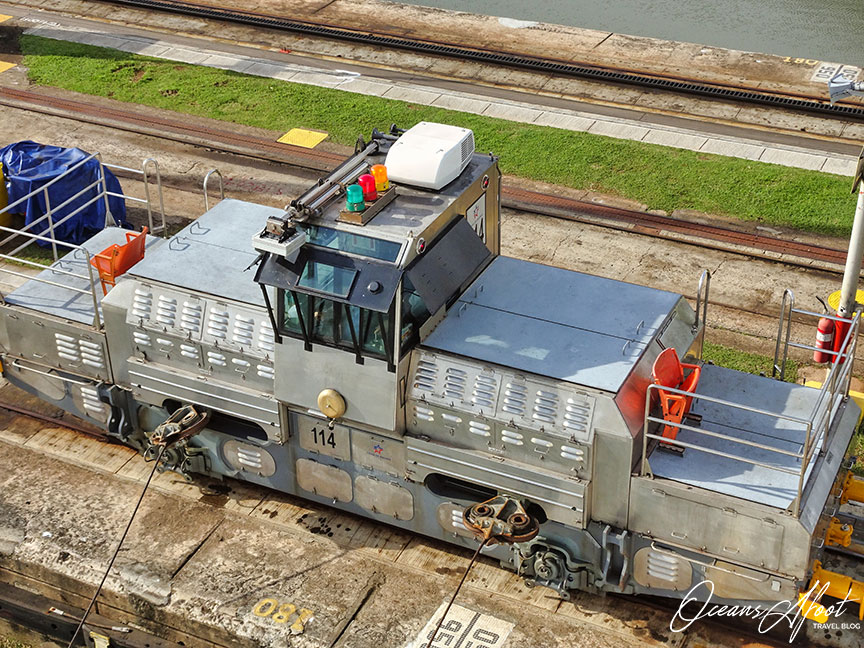
Entering the Miraflores Locks (c. 1913) shortly after, we rose 54 feet in two stages. At the locks, 4 to 5 mules attached their tension wires to the ship to maneuver it through the narrow canal. The Vision of the Seas came to have just 2 feet clearance per side.
Pedro Miguel Locks
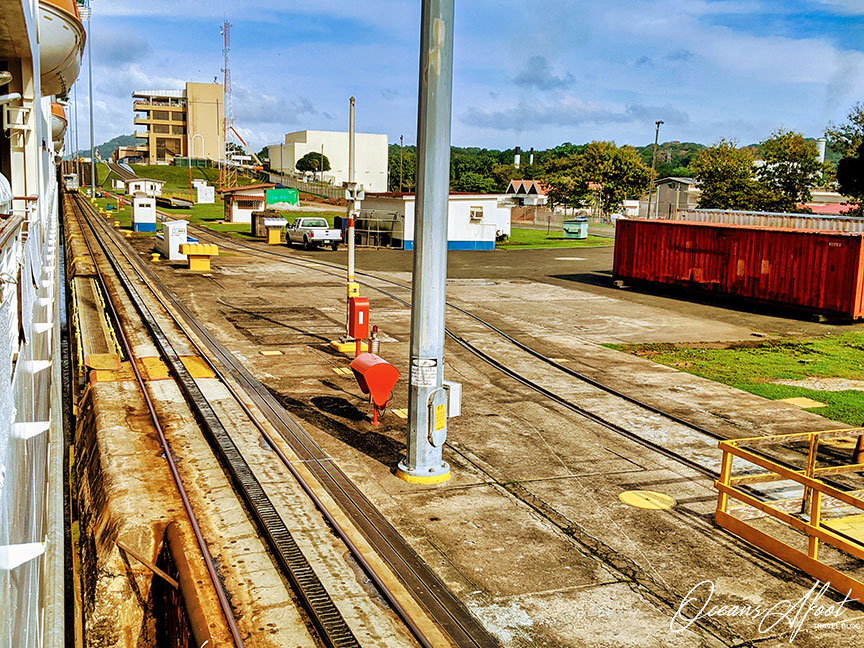
Exiting Miraflores locks, the Pedro Miguel Locks (c. 1911) soon followed. This single series lock raised the Vision of the Seas an additional 31 feet to match the elevation of Gatun Lake at 85 feet above sea level.
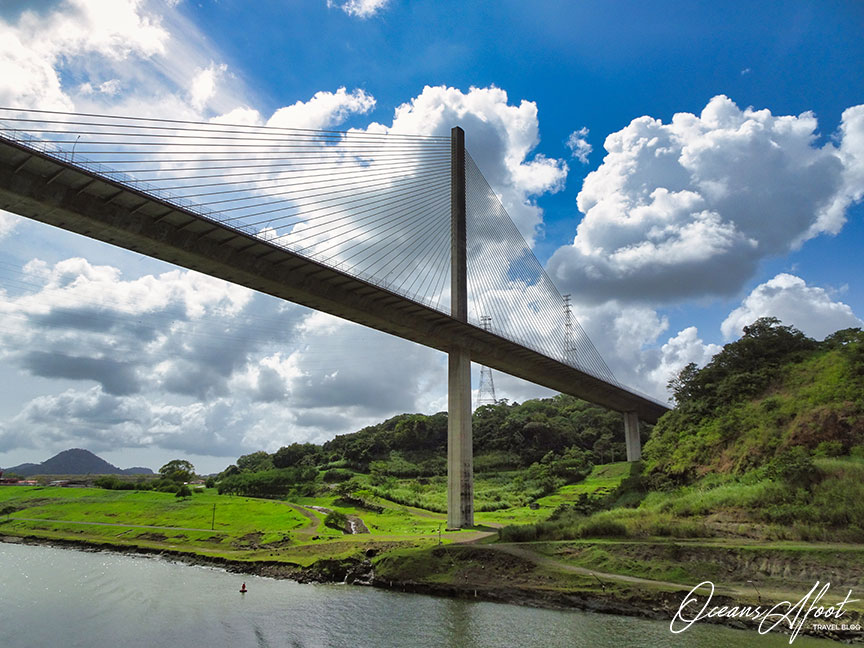
Centennial Bridge
Exiting Pedro Miguel, we passed under Centennial Bridge (c. 2004) around 11:30am.
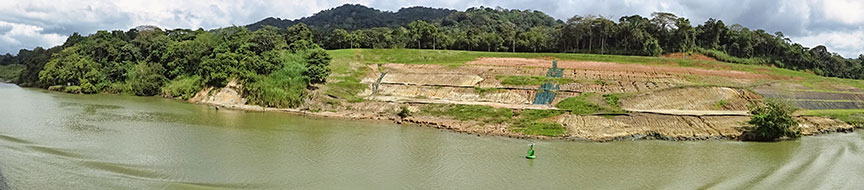
Culebra Gaillard Cut
We transitioned through the Culebra Gaillard Cut some 15 minutes thereafter.
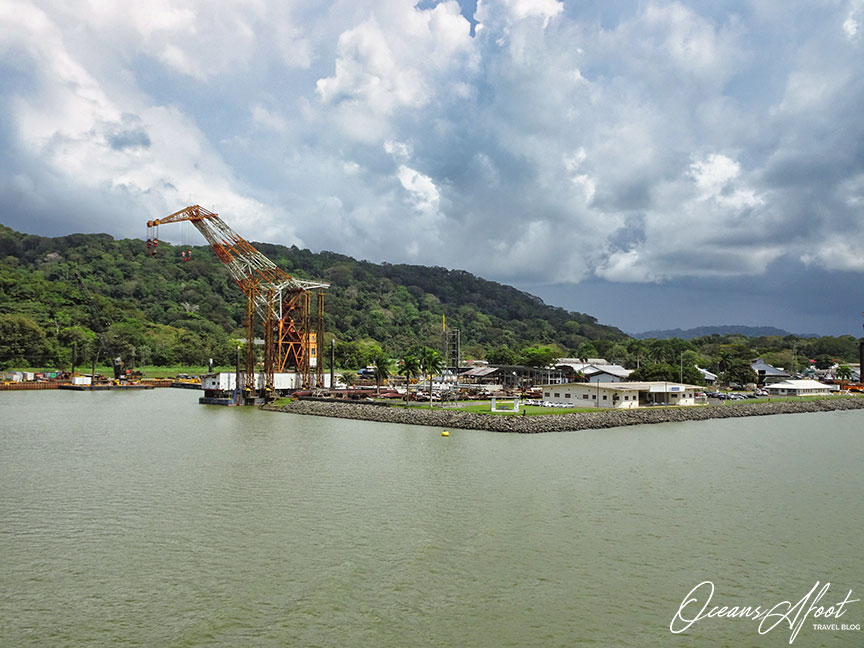
Gamboa
Around noon we had reached the large crane maintenance site of Gamboa where Crane Herman the German (c. 1941) lives on.
Gatun Lake
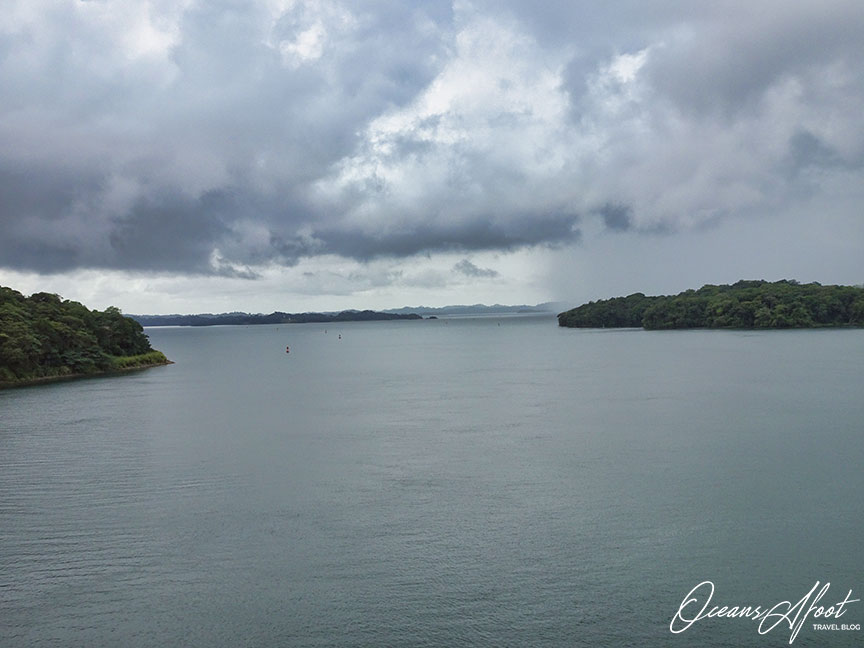
Now we began the 20.5-mile journey across Gatun Lake. About 40 ships, authorized by priority, transit the canal every single day.
Gatun Locks
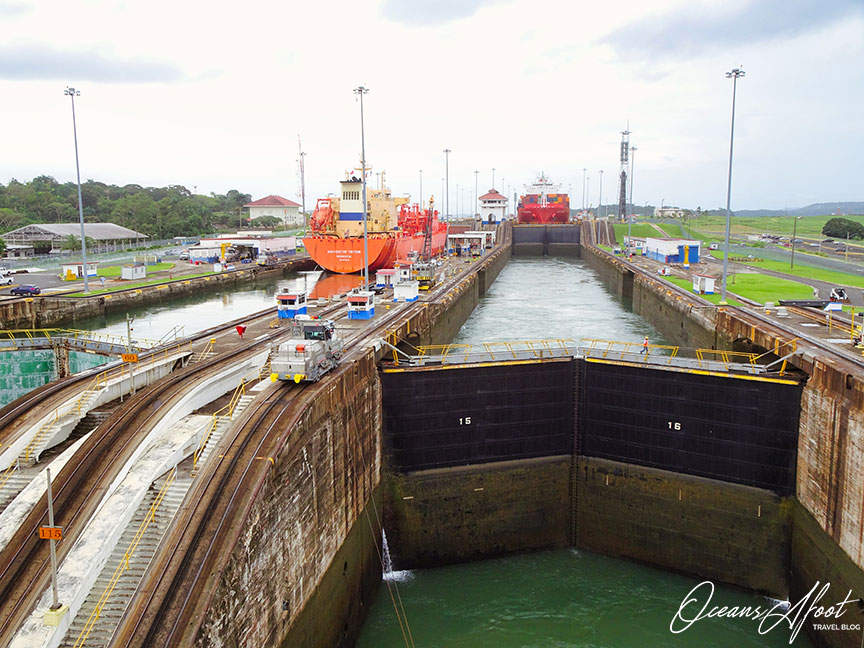
We arrived at the Gatun Locks (c. 1911) around 4pm, viewing the Gatun Dam spillway just on our port side. The lock system of Gatun comprises three consecutive locks which will lower the Vision of the Seas 84 feet in total.
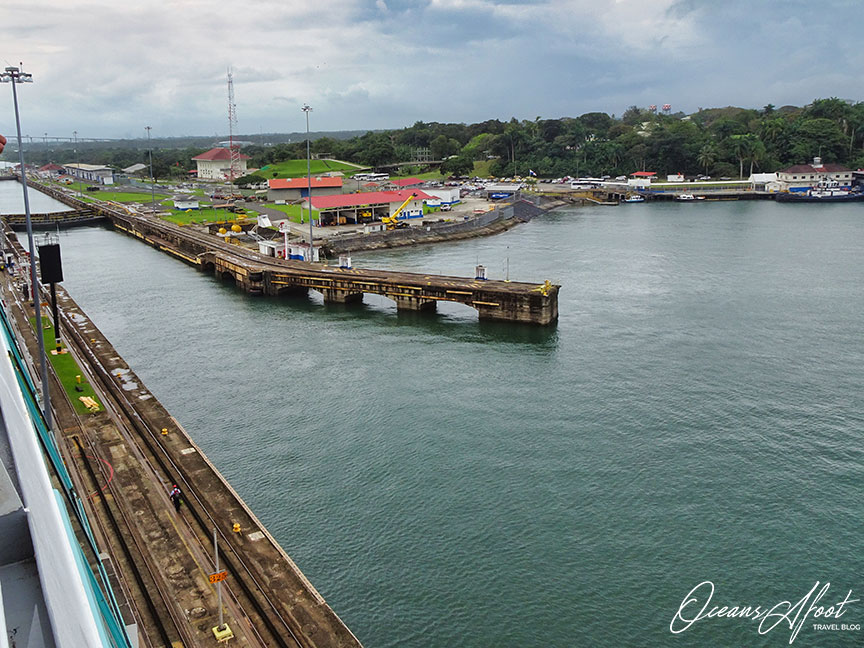
This lock series of the Panama Canal represents the greatest man-made structures of their time, including the artificial Lake of Gatun and the Gatun Dam spillway. These structures have remained in operation since the day of their first dedication (c. 1914).
Atlantic Bridge
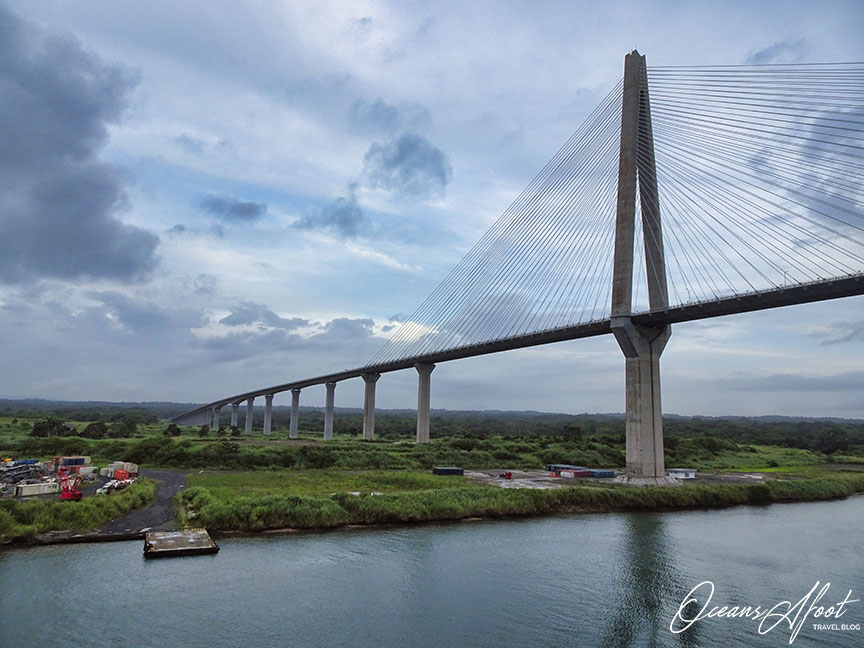
The Atlantic Bridge sits at the Atlantic entrance to the Panama Canal located near Colon, Panama. It was constructed in efforts to offer relieve pressure on the Panama Canal car ferry. It is listed as a cable-stayed bridge with an appropriate 1,740 ft main span.
The French Canal
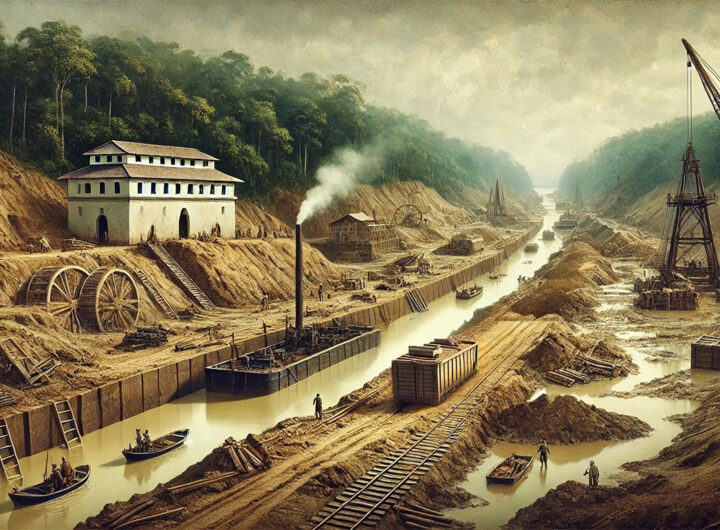
Arriving at the end of our transit we passed by the entrance of the original French Canal begun in 1877.
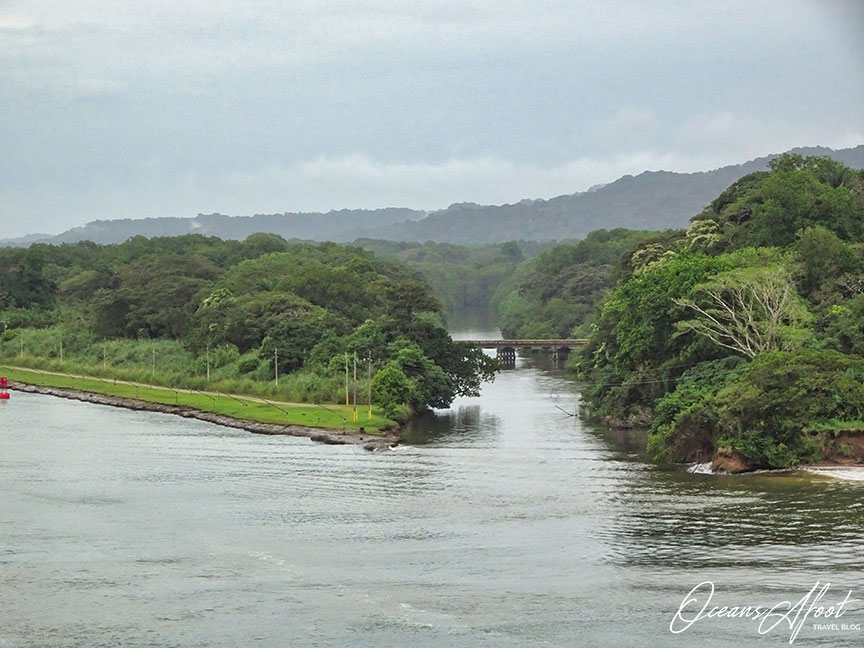
We are reminded the French first undertook building the canal to connect the isthmus of Panama. For this task, they hired Ferdinand de Lesseps known for his Suez Canal construction. However, conditions in Panama were considerably poorer than in Suez and the French would ultimately cease their efforts. In total, 26,000 French workers perished in this endeavor.
Transit Complete
By 5:30pm, our transit was complete. We had a day of fun milling around the decks, taking pictures, and sharing knowledge. Most everyone now headed inside to relax in the air conditioning.
As a side note… US interest in the canal zone ended on December 31, 1999. On January 1, 2000, the Panamanian government took over operational functions. The first US cruise ship to transit the canal after this legislative reform was, ironically, the Vision of the Seas.
Cruise Port: Oceanographic Travel Area / Panama Canal Zone
Tour Name: Eastbound Transit of Panama Canal
Cruise Line/Ship: Royal Caribbean Vision of the Seas
Tour Operator: Royal Caribbean