We met at a small minivan along the pier and promptly headed to the Museum of the History of the Ancient Olympic Games of Antiquity. Today’s small group tour comprises just 9 patrons making this a nice experience.
30 minute drive
First, some facts
On the drive to Museum of the History of the Ancient Olympic Games of Antiquity we learned many facts about Greece. First that the country is 25% flat and 75% mountainous. Most notably three quarters of the rainfall in the country happens in this region filled with a populous of Figs, Pomegranate and, Olive trees.
Ancient Greeks
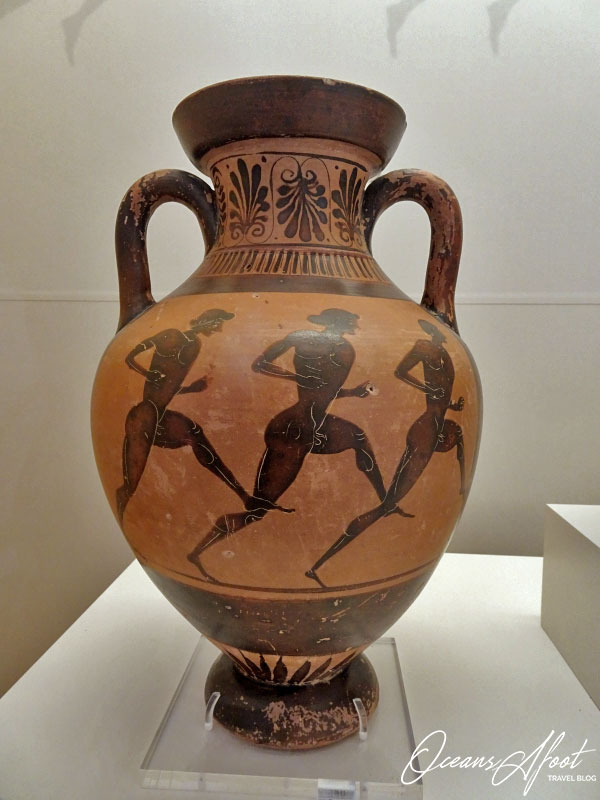
The ancient Greeks believed that Hercules planted the original Olive tree and therefore the prize for victors of the foot-race were olive leaf wreaths.
Olympia, Greece
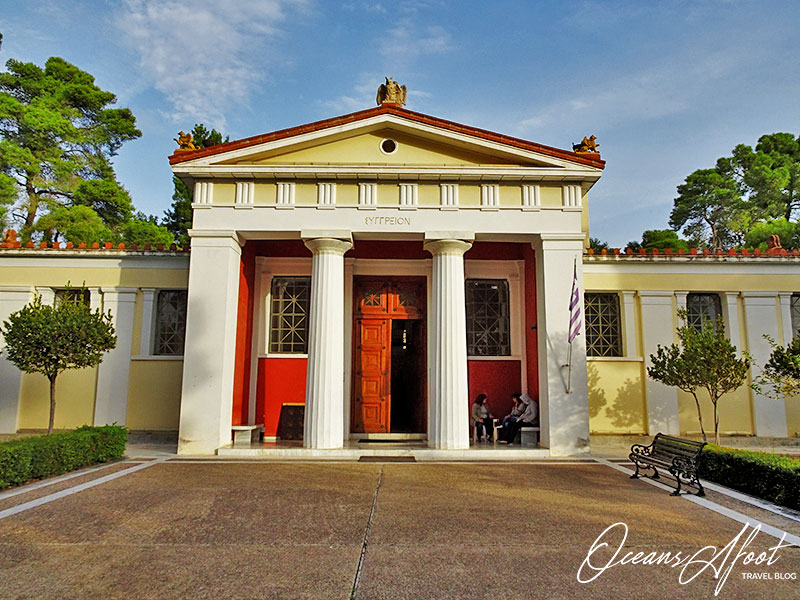
After a brief drive we had arrived at the Museum of the History of the Ancient Olympic Games of Antiquity in Olympia, Greece.
Museum of the History of the Ancient Olympic Games of Antiquity
1 hour 15 minute inside visit
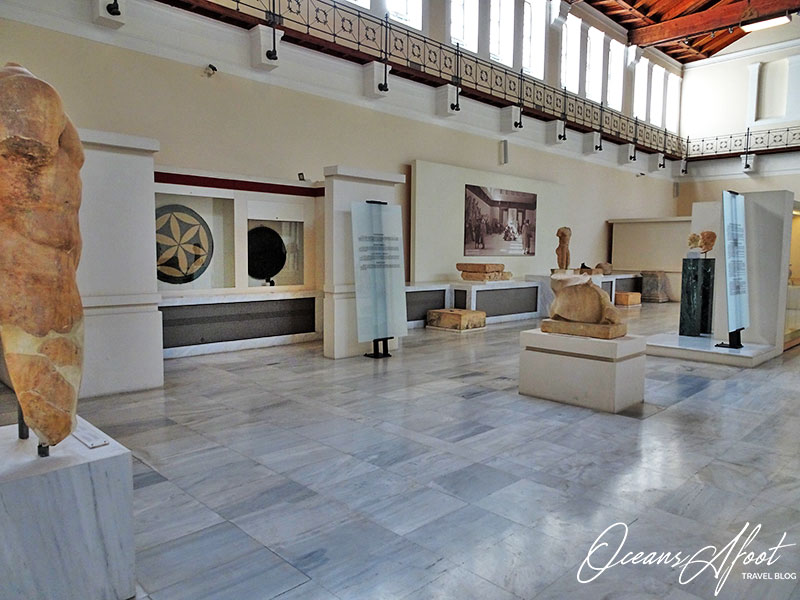
Our tour guide provided an in-depth History of Olympia, the games and athletes while at the museum. She also used the scale model map here to explain the layout of structures that made little sense now, but much sense later while exploring the grounds. We left the museum after a thorough examination of the antiquities and headed to the excavations area.
Excavations area
2 hour 15 minute outside visit
Inside the Museum of the History of the Olympic Games of Antiquity was a scale model of the Olympia Altis. This gives a good narration of our visit beginning with the path at the Southern point, continuing North, then West, South, and ultimately East again. The Western edge of this model being the site of the Olympic Stadium Games.
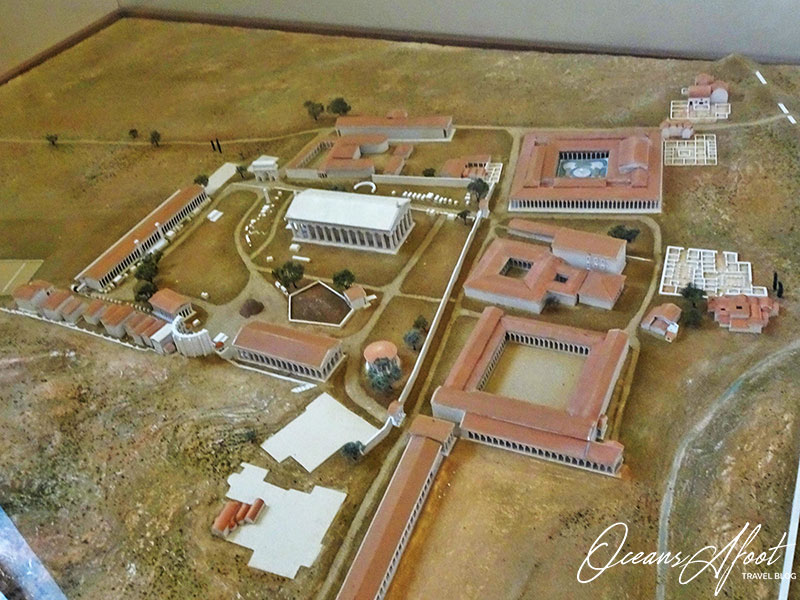
As we entered the Altis we first came across the Gymnasian / Poloestra or once a designated ancient Greek wrestling school. Easily identified on the model as the first square building to the right.
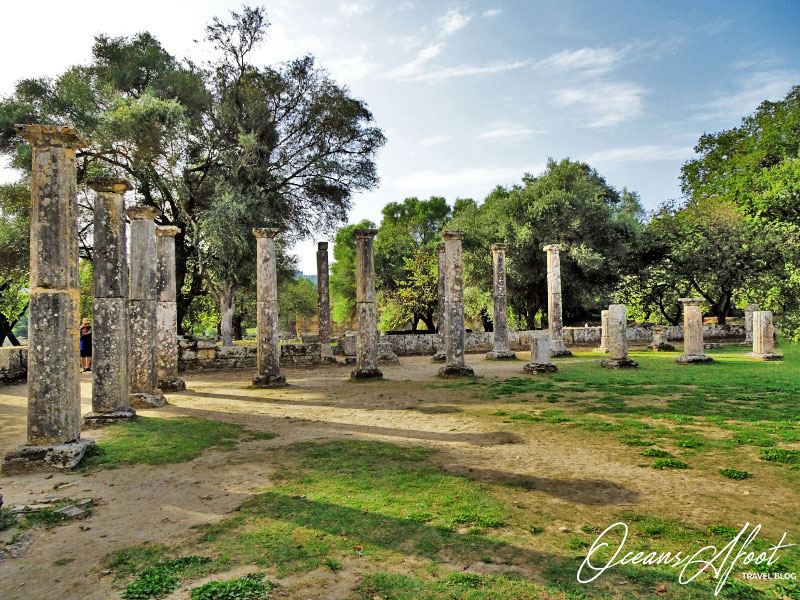
Next we passed the Workshop of Pheidias which was used by Pheidias, the sculptor; to create the famous gigantic chryselephantine statue of Zeus. Lodged to the Southwest corner of the Altis sat the Leonidaion. This was a place of lodging for athletes who were to take part in the Olympic Games.
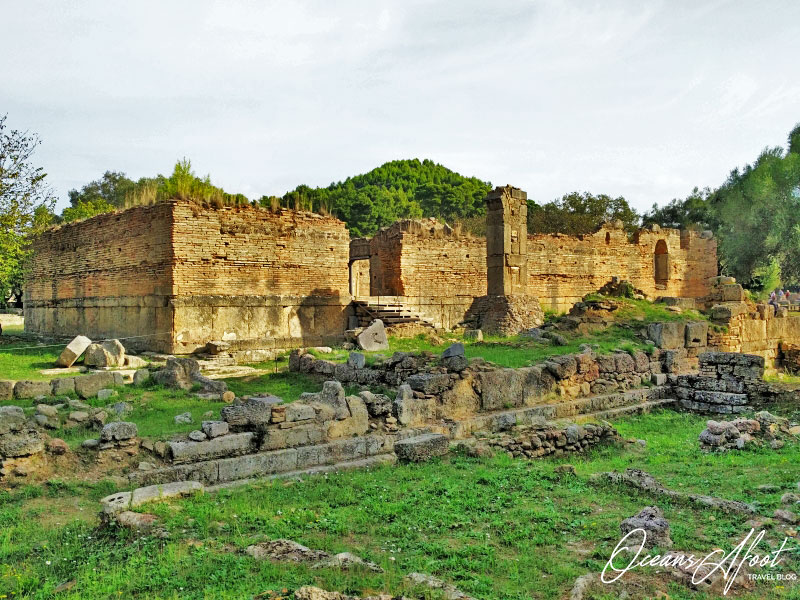
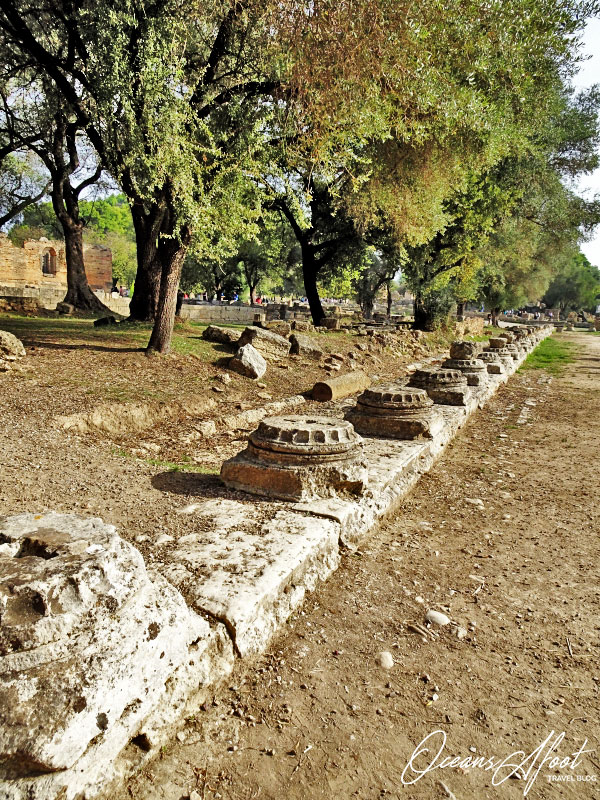
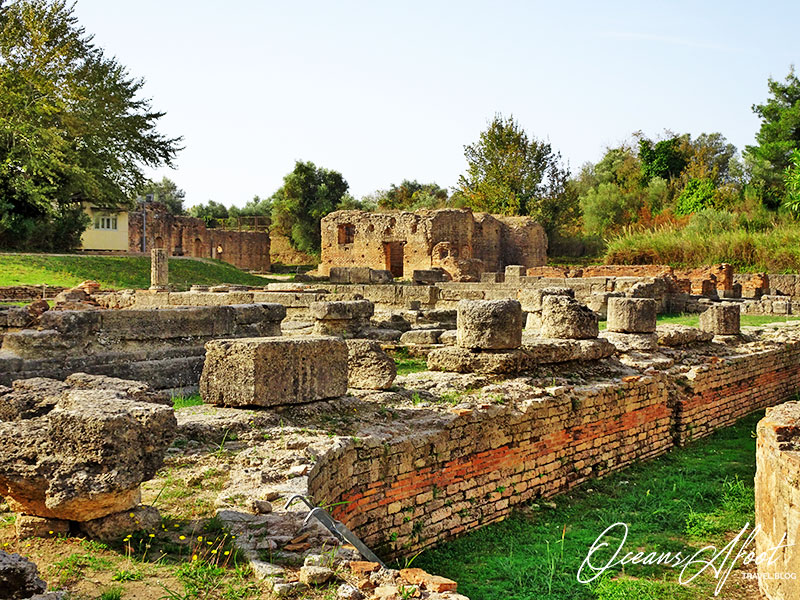
Now, just behind us, is the Temple of Zeus from the 5th Century B.C. Zeus the mythological ancient Greek who was god of the sky.
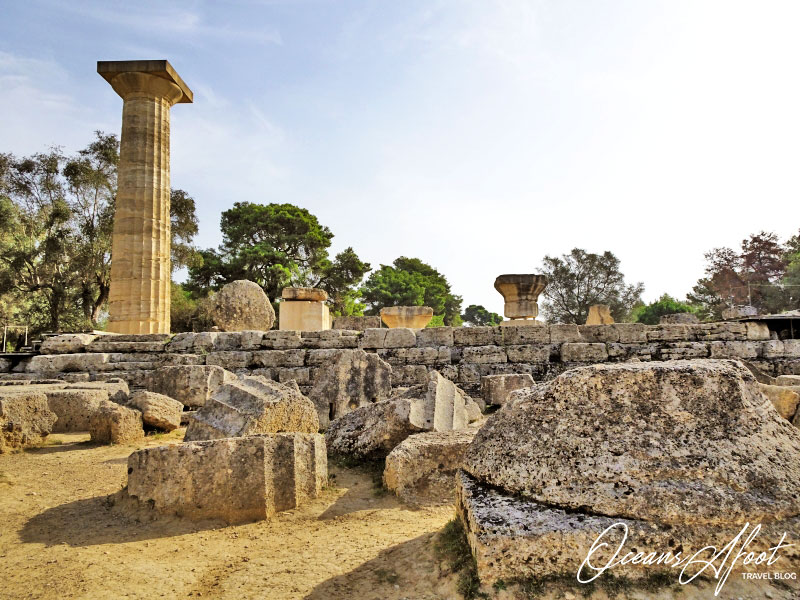
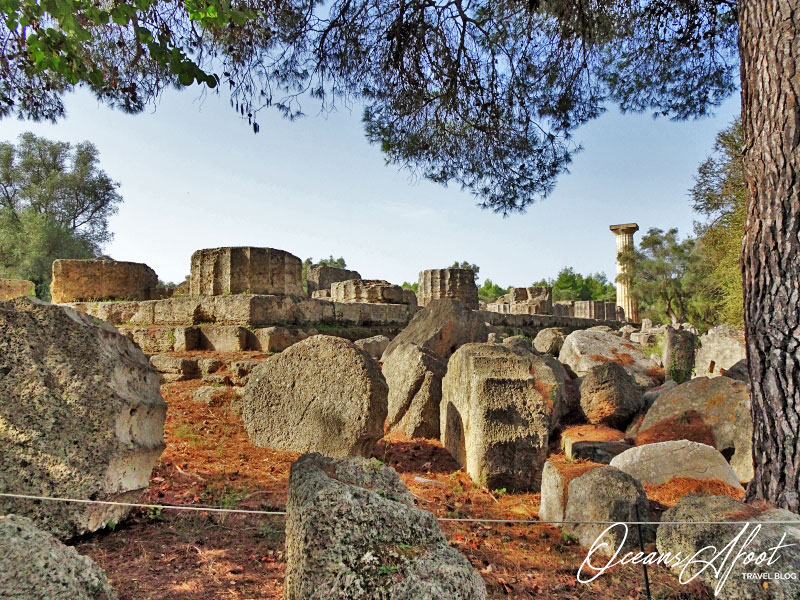
Next we headed through an area of ancient stones, until we arrived at the home of the first Olympic Games stadium entrance. This entrance, leading to the interior of the stadium, was first erected during the Hellenistic period.
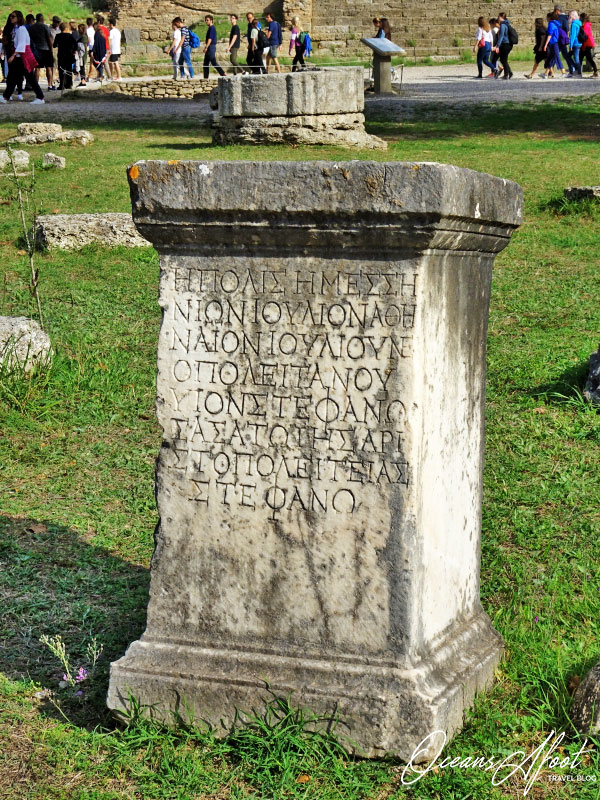
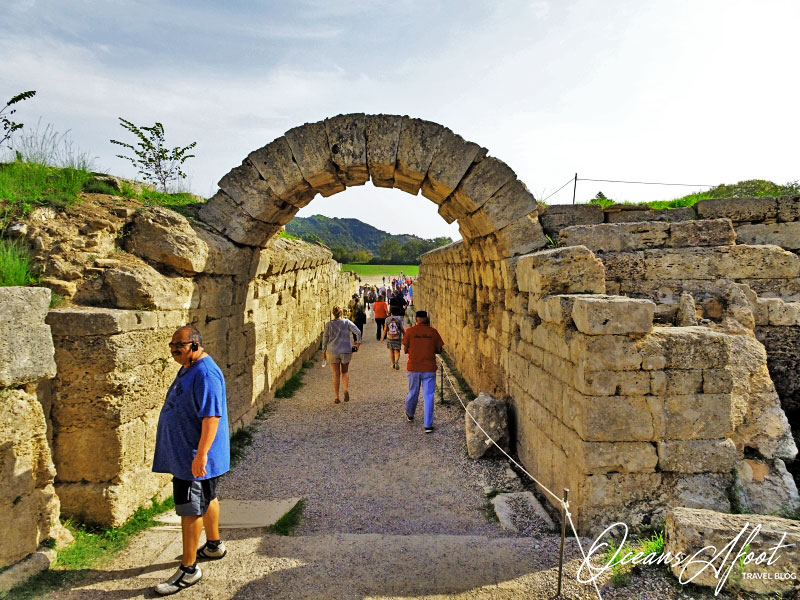
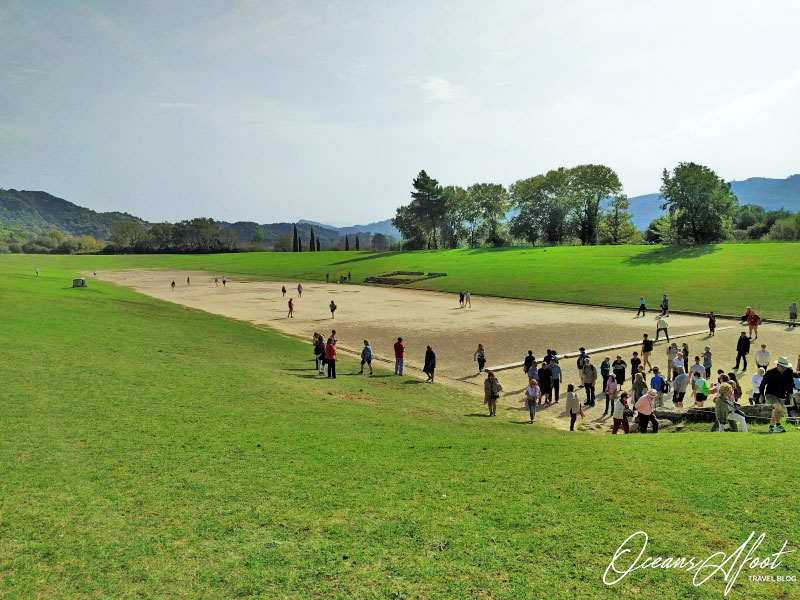
Entering the stadium of the first Olympic games held in 776 bc was a truly special event. Here were matchups of boxing, wrestling and chariot races of all kinds. In this picture of the field the judges box can be seen outlined to the right. The stadium is estimated to have held up to 45,000 spectators.
After spending a bit of time on and around the field, we transversed back through the stadium gates passing the Metroon, a temple dedicated to the Mother of Gods or Rhea and Kybele. Just shortly passed the Metroon sits the Nympoeum a monumental aqueduct fountain incorporating the statues of Herodes Atticus, Antoninus Pius, Hadrian, Marcus Aurelious and members of their families.
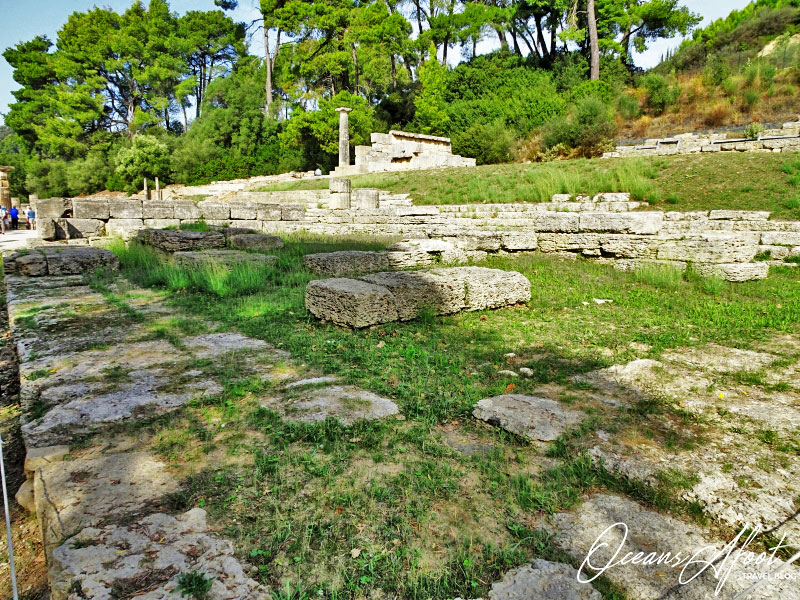
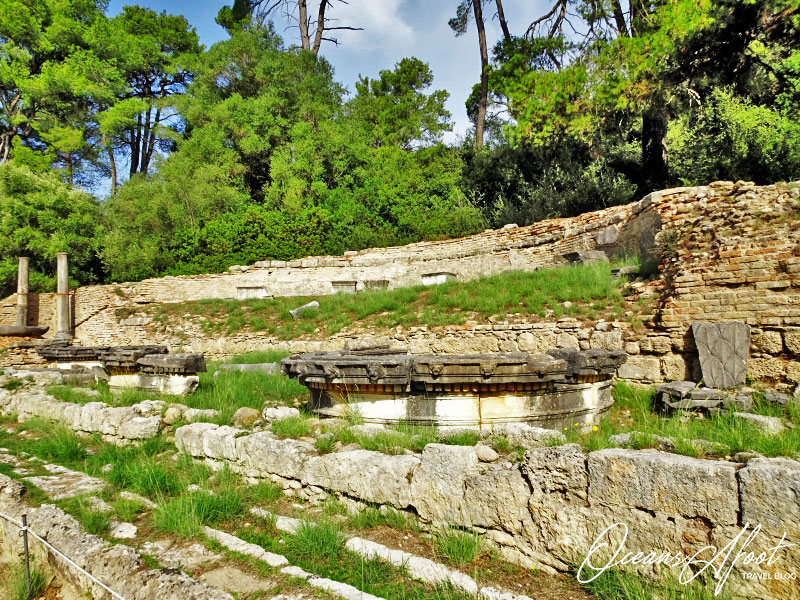
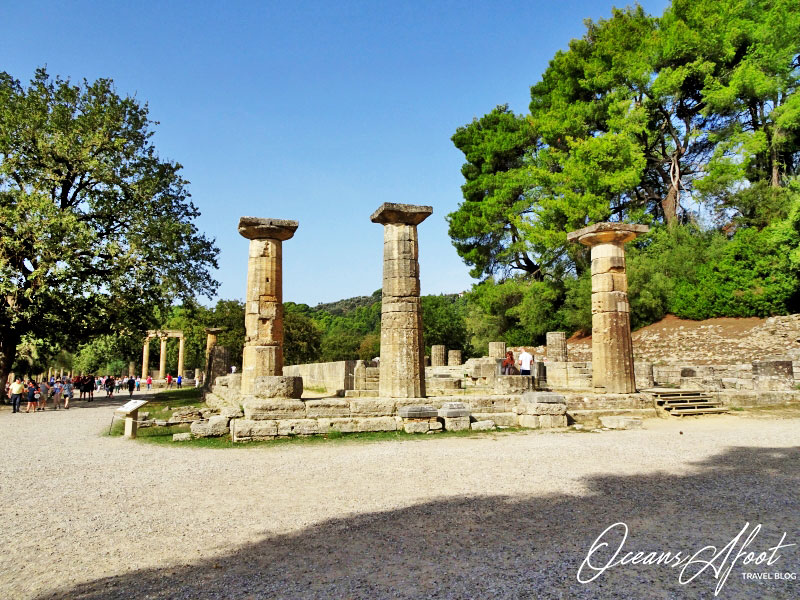
Just beside the Nympoeum stood the pillars of the Temple of Hera from the 7th Century B.C. This the oldest temple in the Altis, and according to legend, where the disc of the Sacred Truce was kept.
Our last stop in the Altis of Olympia was the Philippeion a limestone and marble memorial dedicated to housing the statues of Philip’s family; Philip, Alexander the Great, Olympias, Amyntas III and Eurydice.
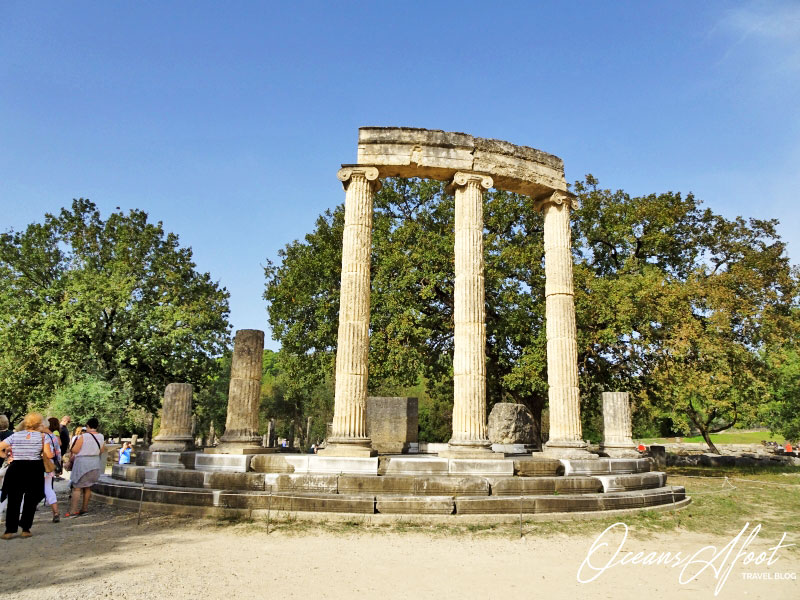
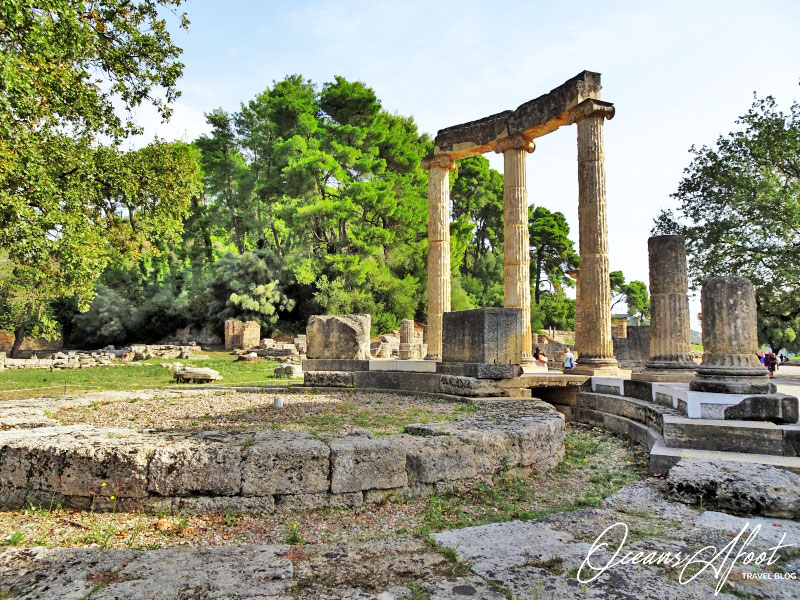
Now as afternoon begun to creep upon us we headed for the Archaeological Museum of Olympia.
Archaeological Museum of Olympia
15 minute walk | 30 minute inside visit
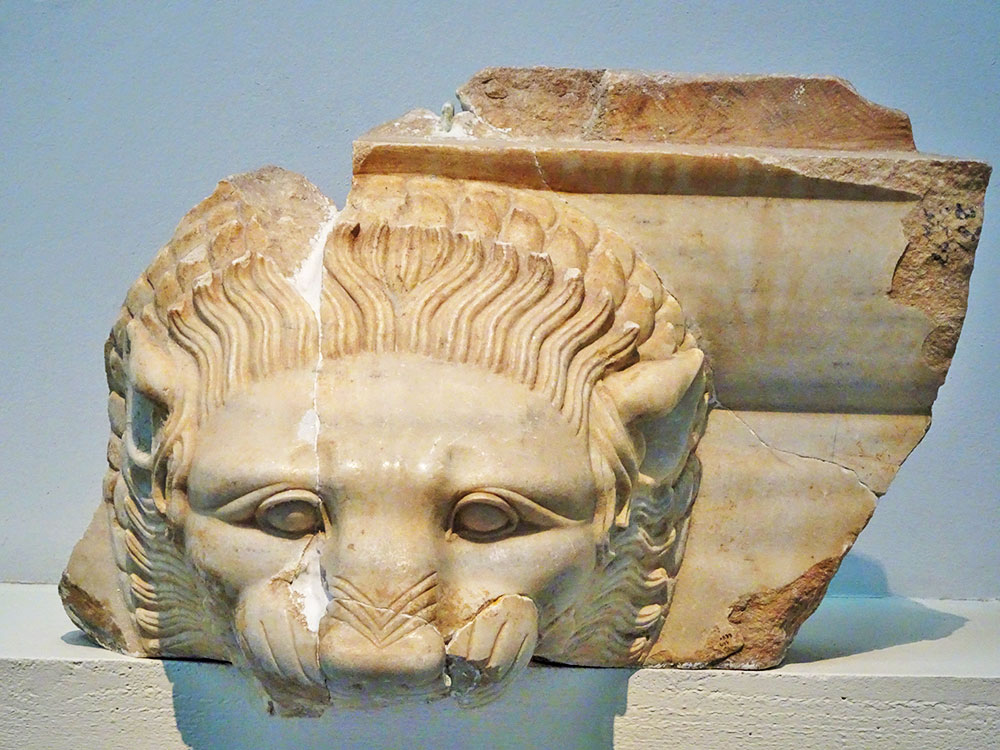
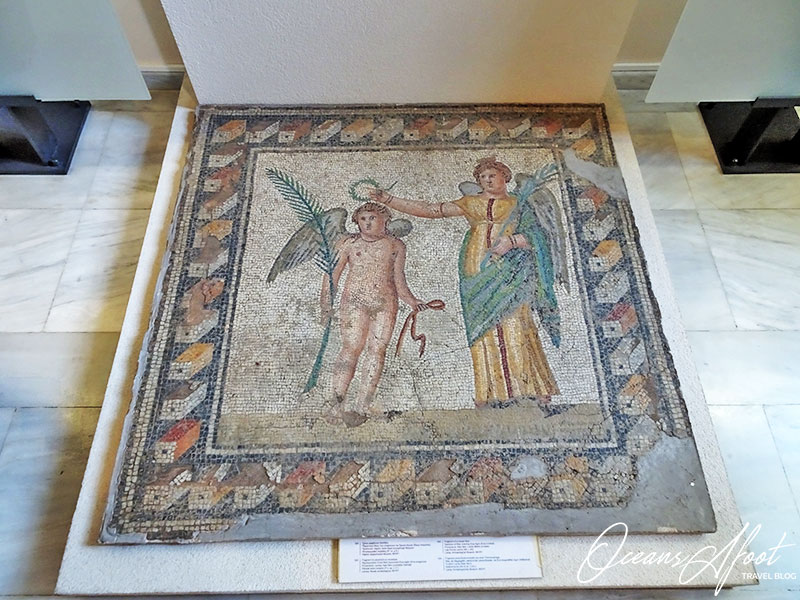
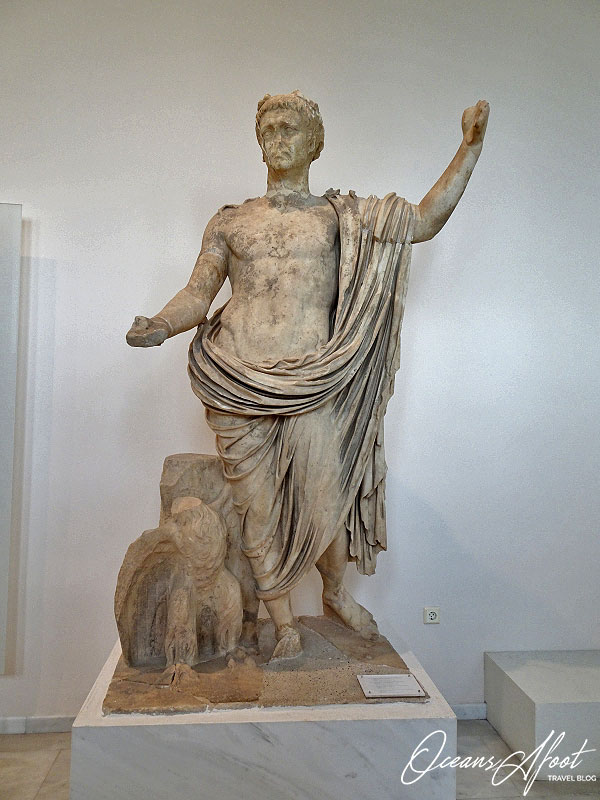
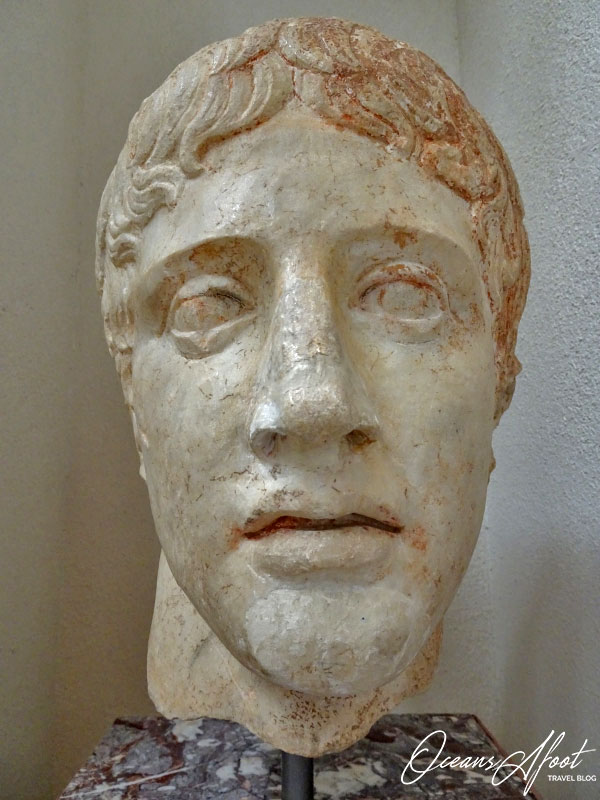
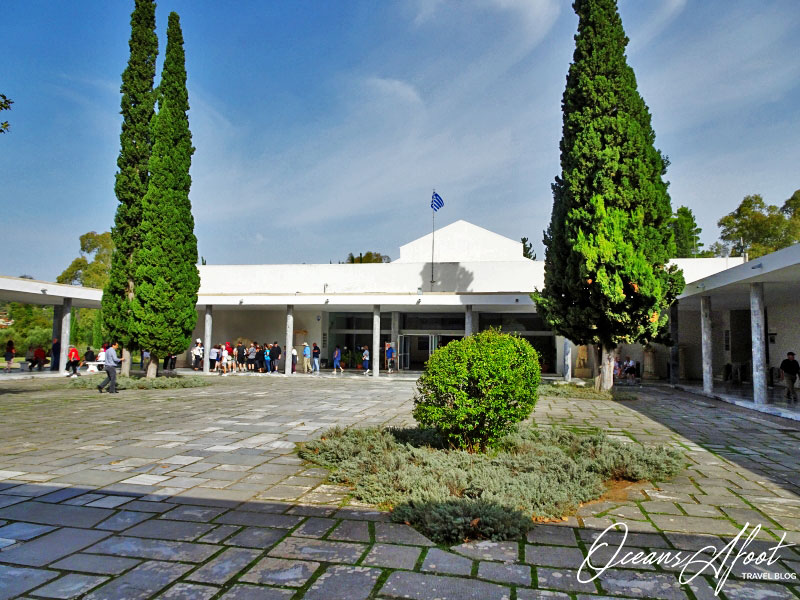
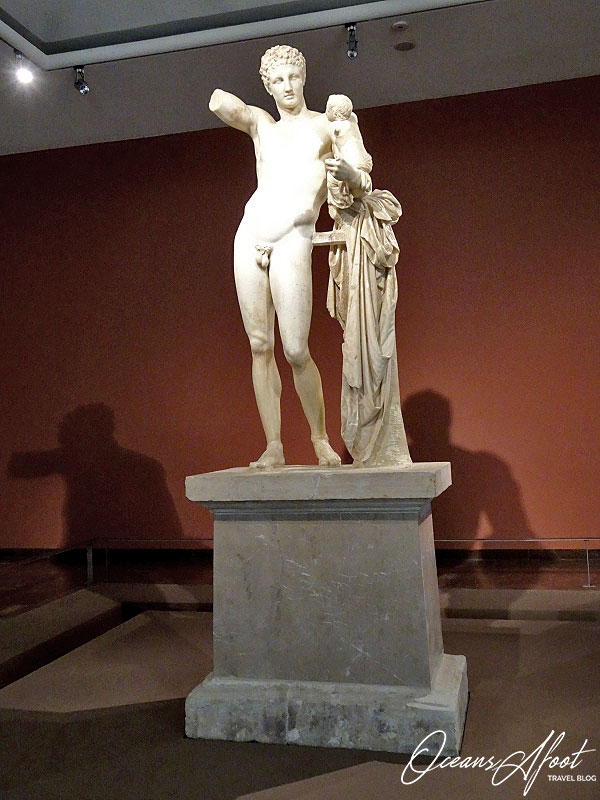
We entered the Archaeological Museum of Olympia which contained the archaeological objects and statues recovered during the extent of many digs in the area. This museum, which was the first in Greece to be placed outside of Athens, contained carvings, columns and sculptures that gave you a sense of this once invincible civilization that would eventually vanish.
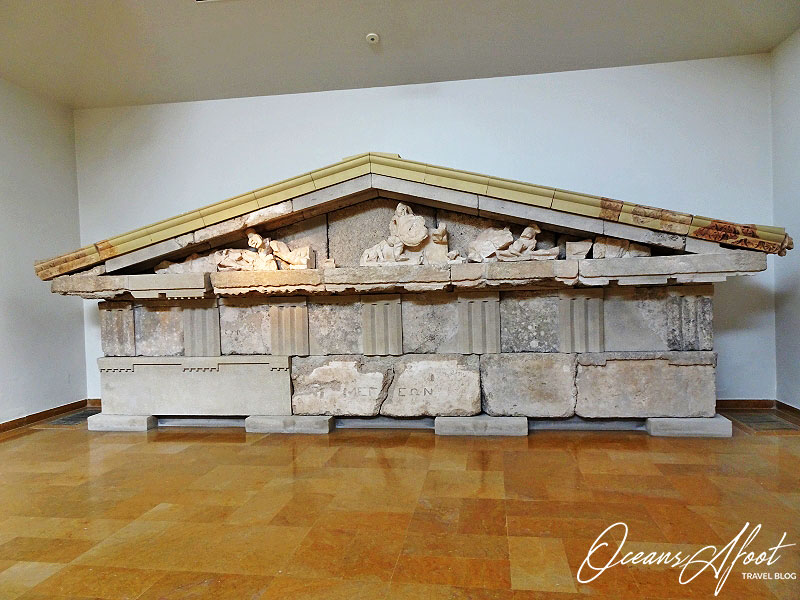
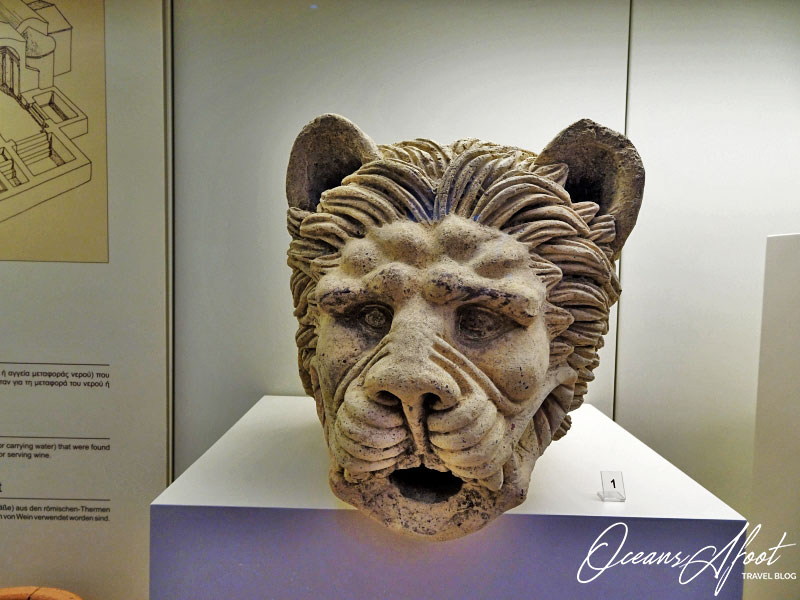
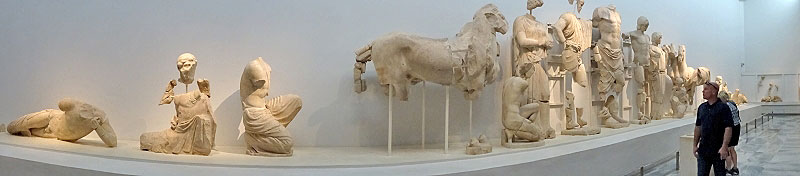
Notable holdings of the collection of the Archaeological Museum of Olympia.
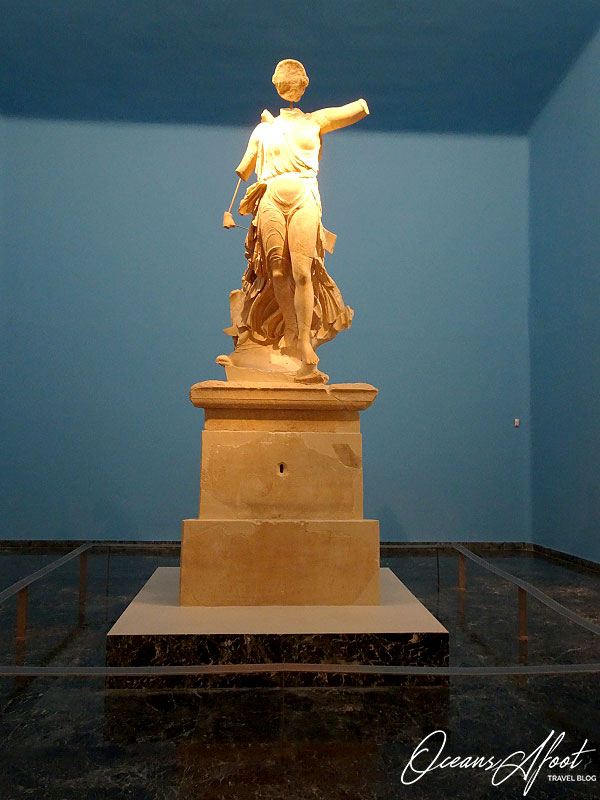
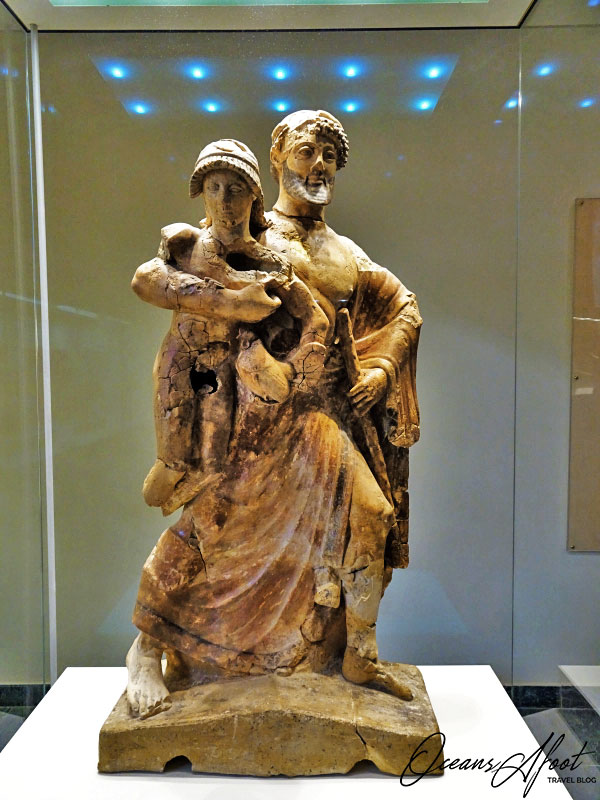
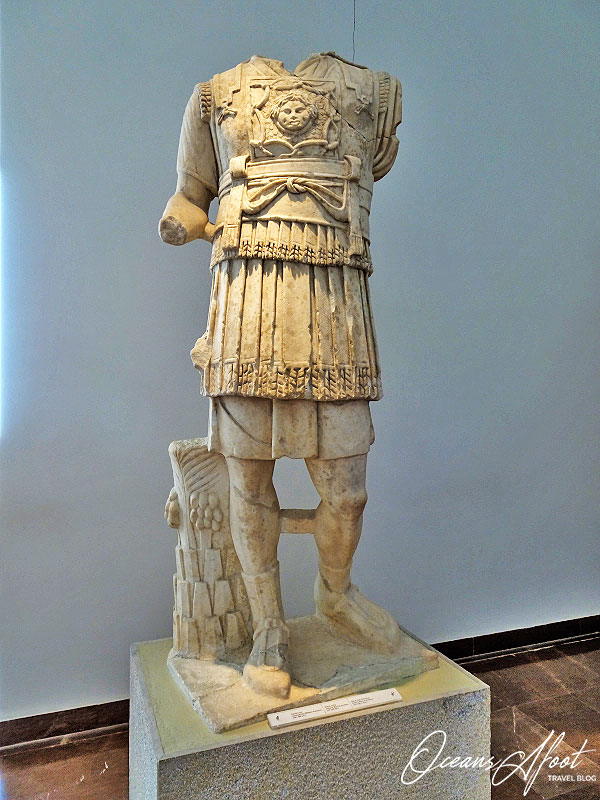
Emperor Marcus Aurelius
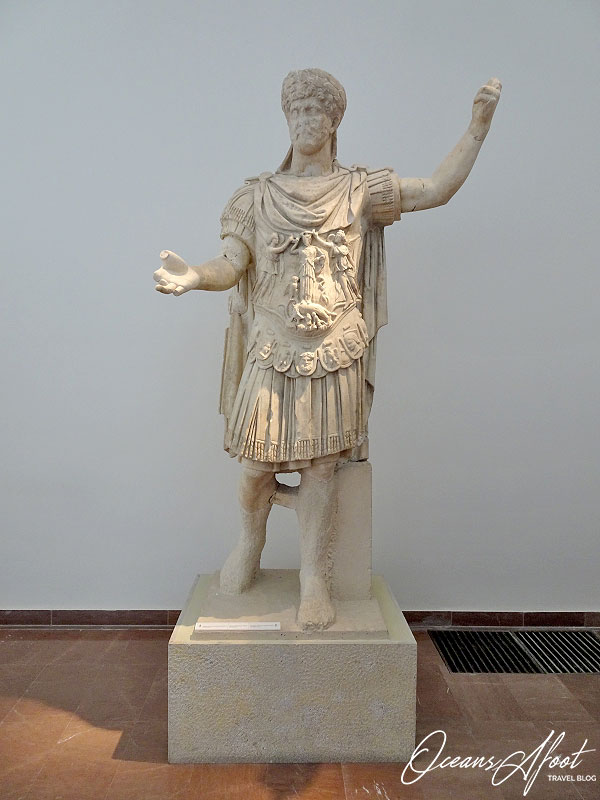
Museum Shops
Short walk | 30 minutes souvenir shopping
A little past noon and we’re taking another short walk. Located on the path to the Archaeological site are the quaint Museum shops. We had some free time to browse the souvenirs before boarding the bus headed to the town of Olympia.
Downtown Olympia, Greece
45 minutes shopping
In the streets here, laden with many shops to choose from, we were able to do additional souvenir shopping with far greater variety. The prices were notably less, and we found some good value on Olive Oil in a small nearby supermarket.
Lunch: The Touris Club
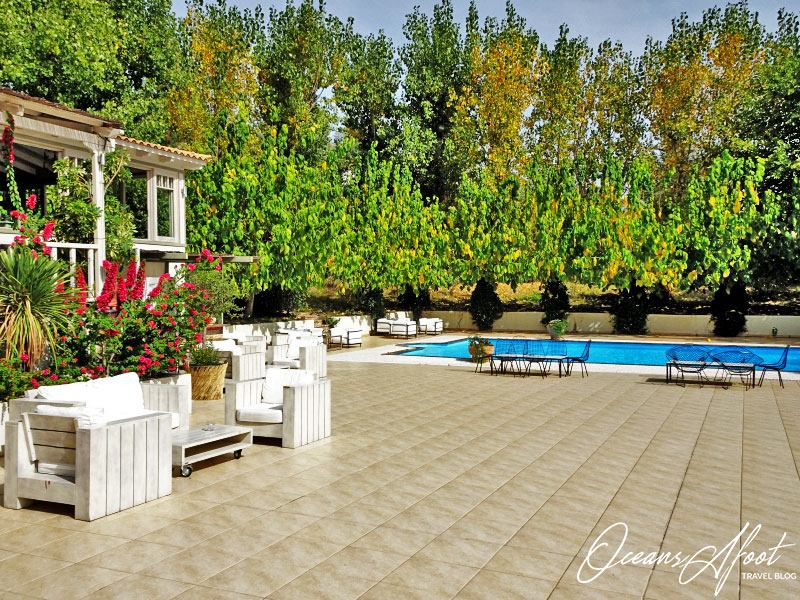
It was Just a few short minutes to our lunch stop at the Touris Club. This was an open-air establishment with a beautiful verandah and pool.
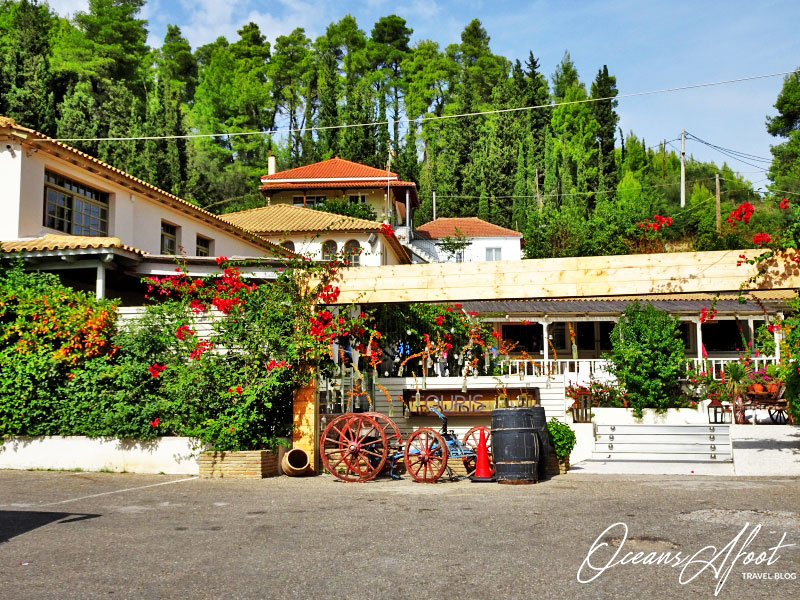
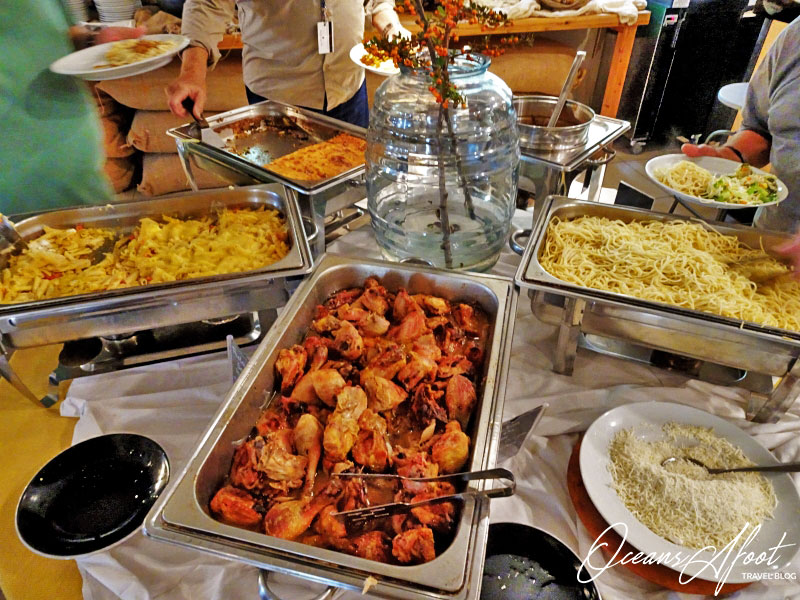
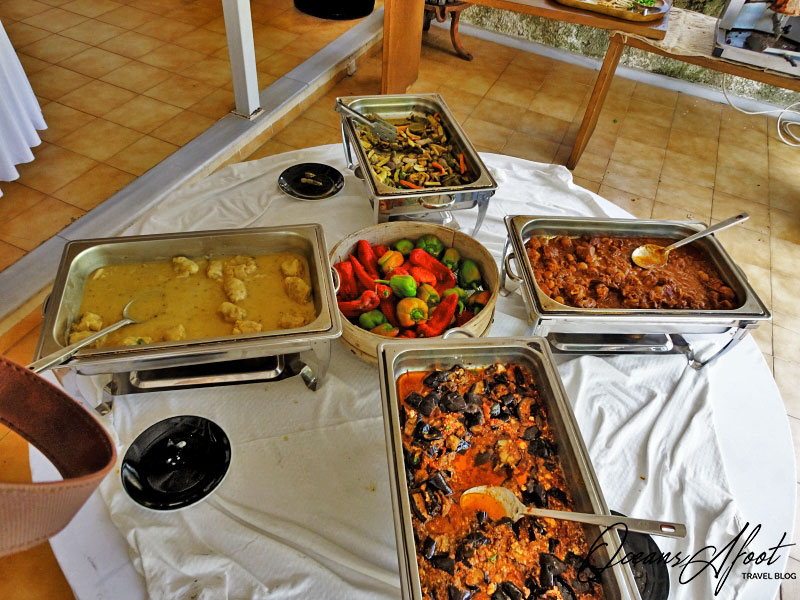
Setup just inside the door was a self-service lunch buffet consisting of the following foods…
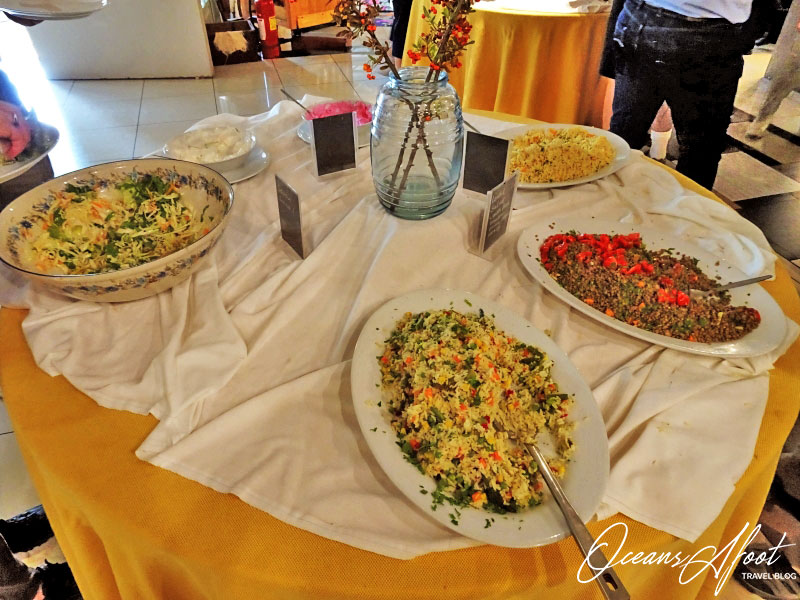
- Seasoned Beetroot, Kritharoto and Lential Salads.
- Oven Roasted Chicken, Pork
- Spaghetti Bolognese
- Pasta Napolitana
- Mixed vegetables, Stuffed Cabbage
- Aubergines, Peas & Carrots
- Greek Meat Pie
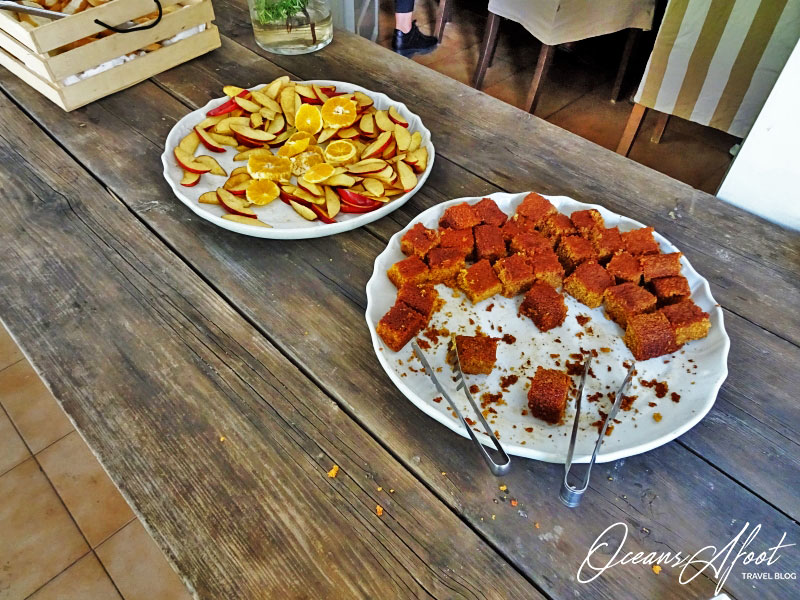
- Orange cake, Apple slices
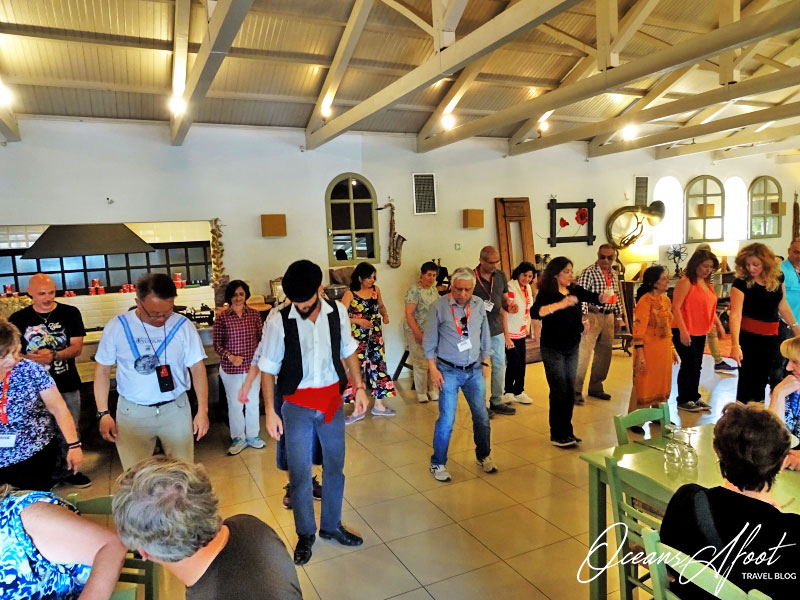
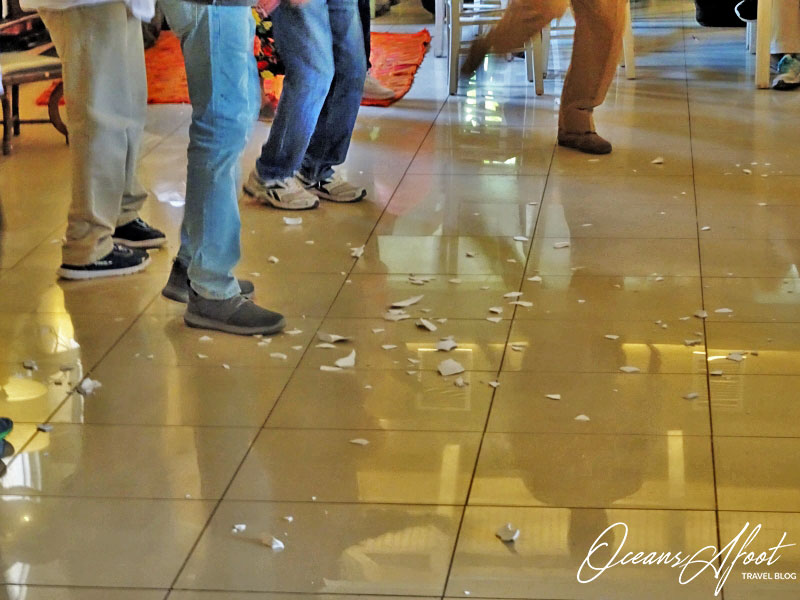
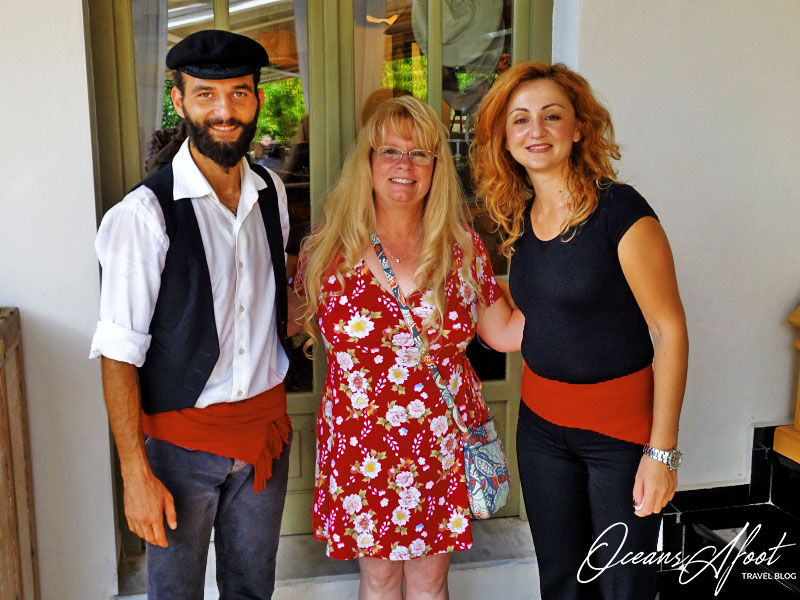
While enjoying the buffet lunch an Opa Opa {Greek wedding dancer procession} entertained us. If you wished to take part they certainly welcomed you.
Return to the port of Katakolon, Greece
30 minute drive
Now leaving Olympia we loaded into the minivan and headed back to the ship. This journey capped off a splendid 80 degree day in Olympia.
Cruise Port: Katakolon (Olympia), Greece
Tour Name: The Best of Olympia (A Small Group Tour)
Cruise Line/Ship: Holland America Oosterdam
Tour Guide: Pennaula