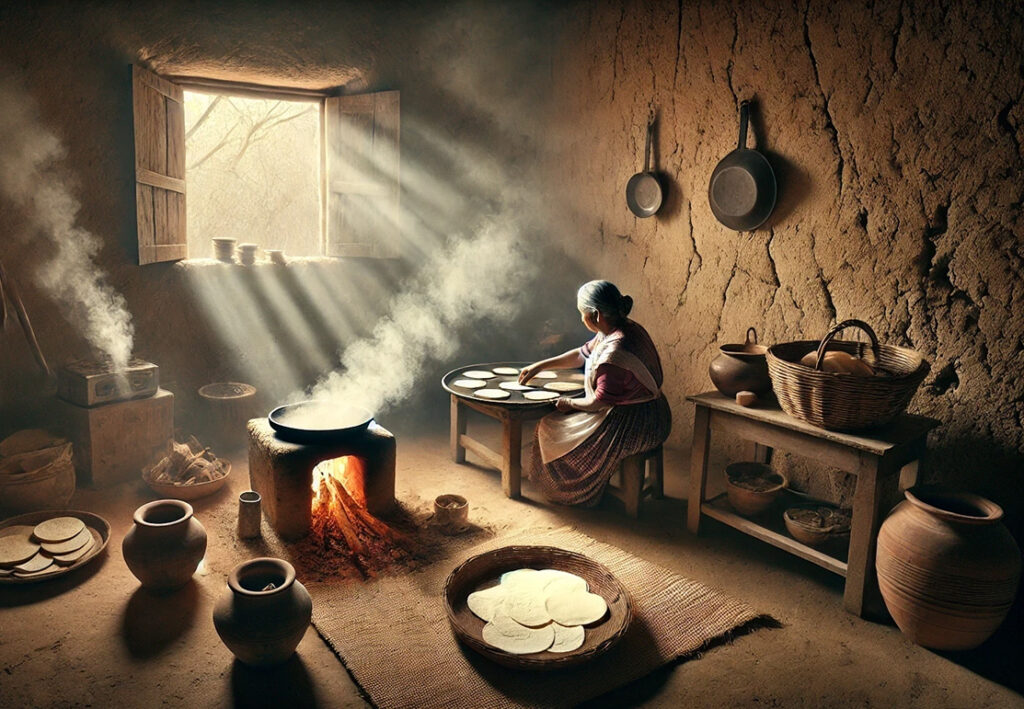
Huatulco, Oaxaca, Mexico • December 23, 2015
About This Experience
This full-day cultural tour ventured inland from Huatulco into Oaxaca’s Sierra Madre foothills, offering visits to iguana conservation sites, traditional homes, and rural villages. Guests engaged with local customs, observed indigenous craftwork, and explored scenic countryside. Includes moderate walking and basic conditions in rustic environments.
✨ Into Oaxaca’s Heartland
Departing from the pier in Huatulco, we boarded an air-conditioned motor coach for a journey inland toward some of Oaxaca’s most remote and culturally preserved villages. Our guide explained that the day’s itinerary focused on authentic experiences, with visits to real family homes and working communities rather than curated tourist venues. Traveling through the southern Sierra Madre foothills, we would witness traditions that remain central to daily life in Oaxaca—ranging from indigenous cuisine and craftwork to ancient building methods still in use today.
🏞️ Stop 1: Iguanas Wildlife Handling Unit
📍 Location: Unidad de Manejo de Vida Silvestre Iguanas, Piedra de Moros, Oaxaca, Mexico
⏳ Time Spent: Approximately 30 minutes
Our first stop was at the Unidad de Manejo de Vida Silvestre Iguanas, a small conservation center locally referred to as The Iguana’s Hideaway. Staff introduced us to the important role iguanas play in maintaining ecological balance within Oaxaca’s tropical and subtropical ecosystems.
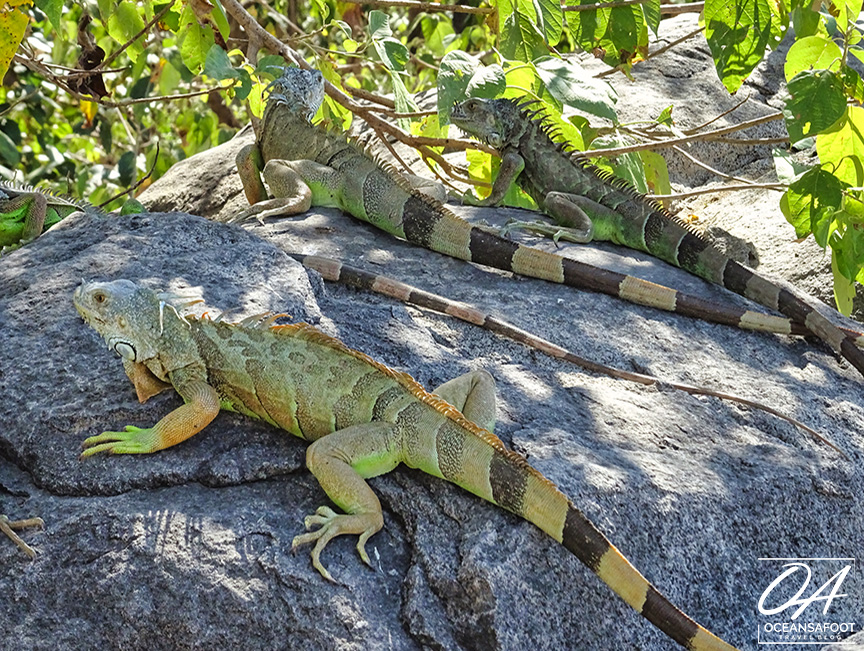
Special focus was given to the Black Iguana (Ctenosaura pectinata), a distinctive species known for its unusual behavior of burrowing and spending much of its life underground—an adaptation that sets it apart from other more tree-dwelling iguanas found in the region.
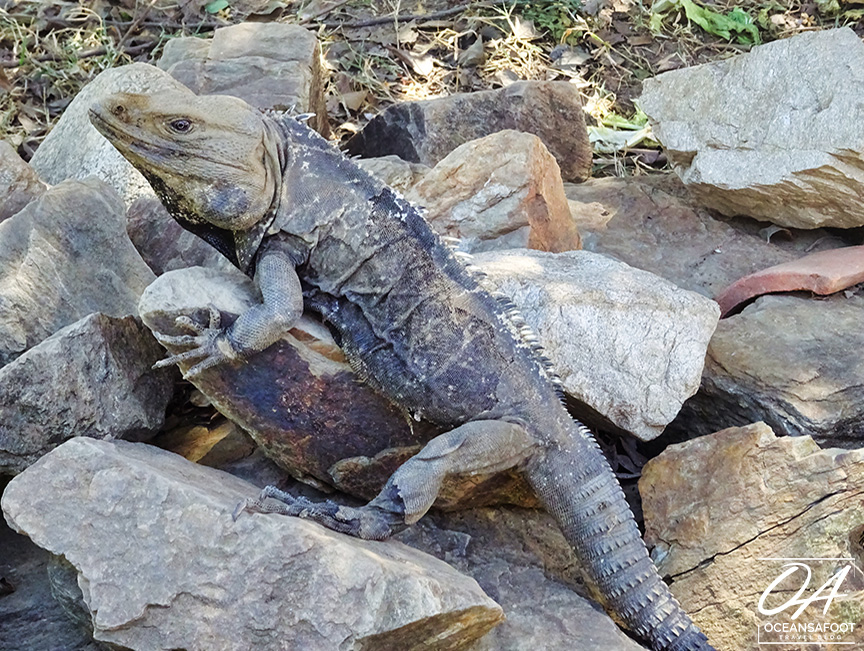
🦎 Wildlife Insight: The Black Iguana (Ctenosaura pectinata) is a protected species in southern Mexico, valued for its ecological role in seed dispersal and habitat health.
🏠 Stop 2: Piedra de Moros Village Visit
📍 Location: Piedra de Moros, Oaxaca, Mexico
⏳ Time Spent: Approximately 45 minutes
Our next stop brought us into the center of Piedra de Moros, a village where most of the homes are constructed from adobe bricks and traditional natural materials, reflecting building practices that have been used in Oaxaca for centuries. Inside one such home, a local great-grandmother demonstrated how to prepare handmade tortillas and tamales over a heated clay comal, positioned above an open fire.
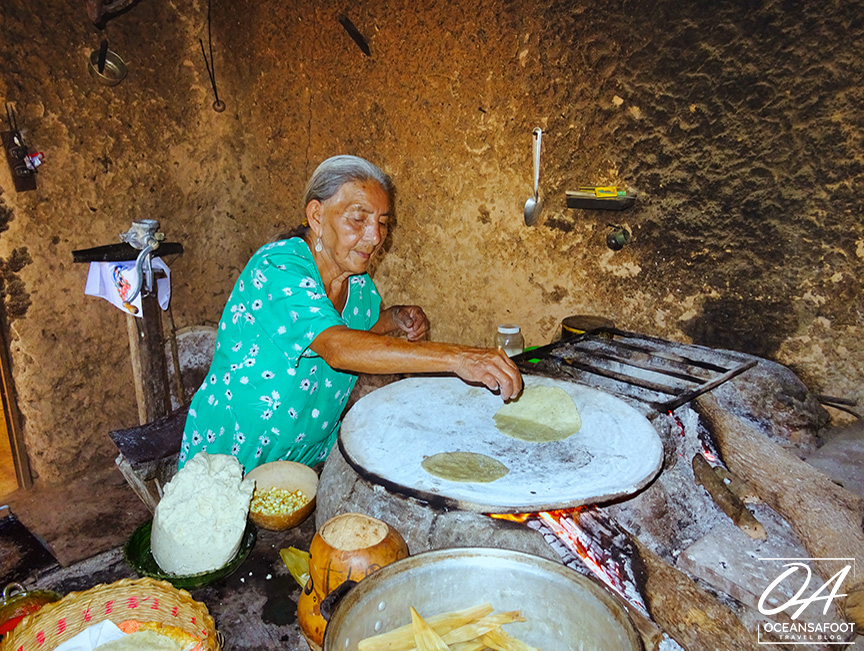
As we sampled the freshly made food, villagers gathered outside to display handwoven crafts and offer small-batch distilled liquors, providing visitors with a direct connection to the area’s living cultural traditions.
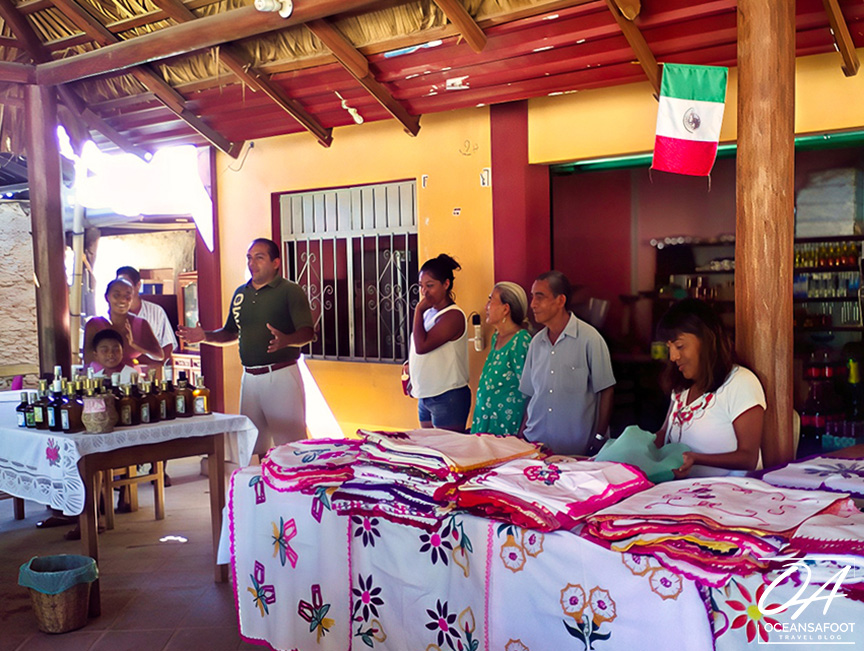
🛤️ Rural Insight – In many remote villages of Oaxaca, including Piedra de Moros, formal street addresses do not exist. Locations are identified by village name, municipality, and postal code, with navigation based on landmarks and local knowledge.
🌵 Stop 3: Nopales Cactus Farm Experience
📍 Location: Rural farm near Piedra de Moros, Oaxaca, Mexico
⏳ Time Spent: Approximately 30 minutes
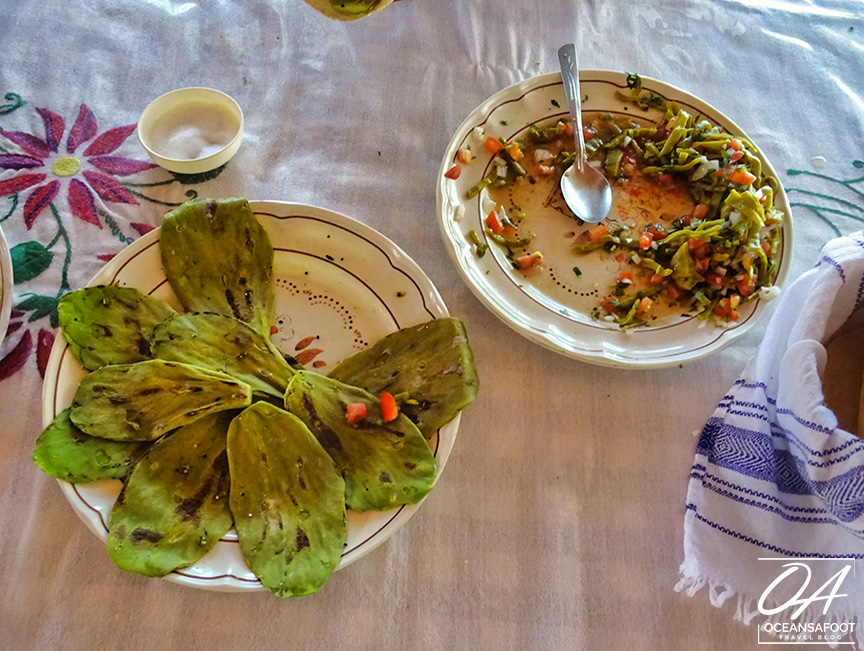
Continuing deeper into the countryside, we arrived at a rural farm where the Nopales Cactus served as both a traditional food source and a medicinal plant. Our guide shared memories of growing up with nopal paddles as a dietary staple, often eaten fresh or cooked into stews. We sampled several cactus-based dishes, featuring flavors that ranged from mild and savory to distinctly tangy—a taste that was familiar to some and new to others.
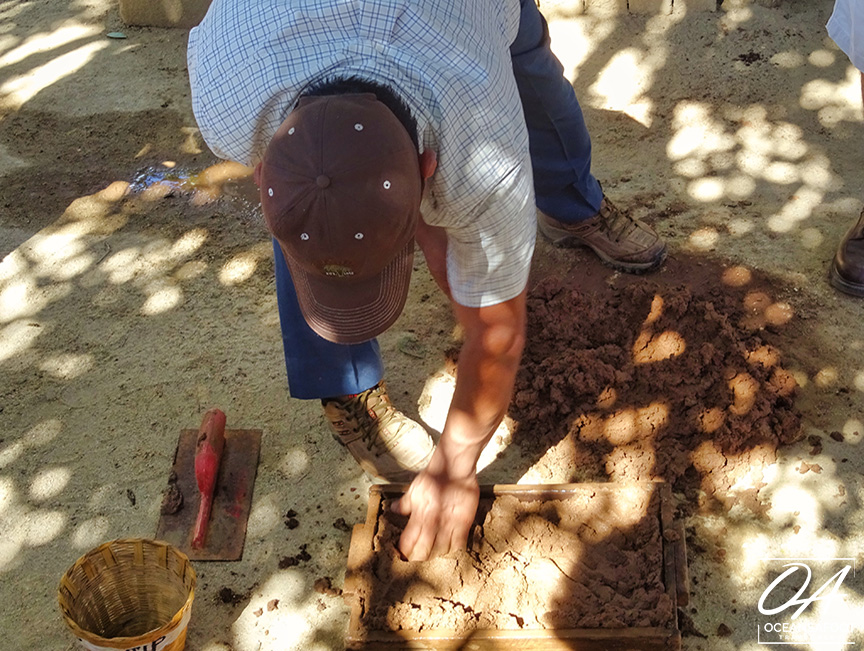
After the meal, a local craftsman demonstrated the adobe brick-making process, mixing earth, water, and straw by hand to form sun-dried bricks—a construction technique that remains a cornerstone of rural architecture in Oaxaca.
🌵 Agricultural Tip: Nopales, or prickly pear cactus paddles, are rich in fiber, vitamins, and antioxidants, and remain a staple in Oaxacan cuisine.
🛍️ Stop 4: Jungle Handicraft Market
📍 Location: Remote village along rural jungle route, Oaxaca, Mexico
⏳ Time Spent: Approximately 45 minutes
Our bus navigated a rough jungle road so narrow and tangled with vines that our driver had to stop and clear the vines with a machete. After navigating the dense vegetation, we reached a remote home where local artisans specialized in crafting goods from natural materials. Using palm leaves, vines, and fibrous plants, they created handwoven baskets, floor mats, and a variety of traditional wares. The craftsmanship was notable for its authenticity and strong ties to indigenous techniques, making this an excellent opportunity to purchase souvenirs directly from the makers.
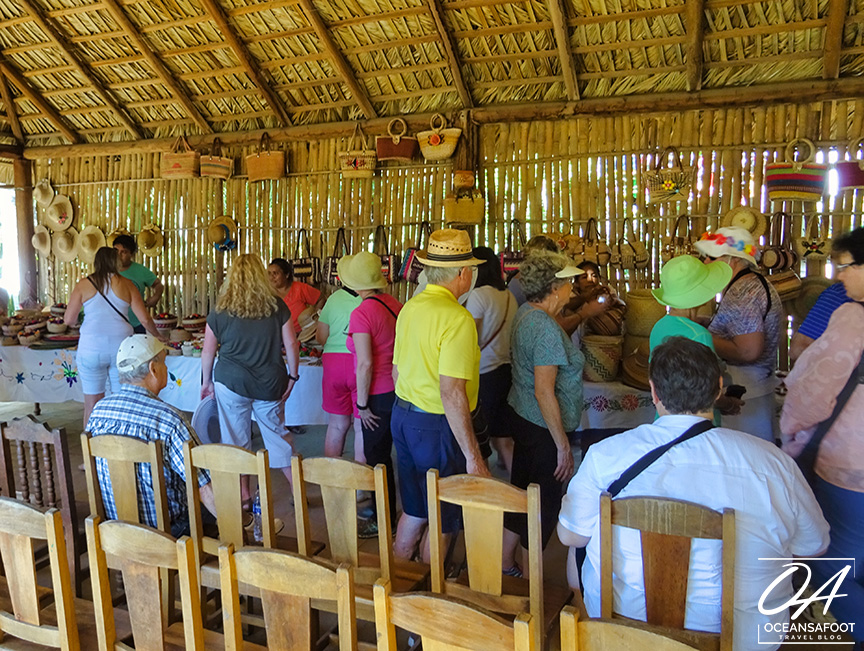
🛒 Cultural Craftsmanship: Oaxaca’s indigenous weaving traditions often rely on local plants, emphasizing sustainability and ancestral techniques.
🚍 Return to the Ship
After a full afternoon immersed in local traditions and rugged rural landscapes, we reboarded the motor coach for the drive back to Huatulco’s pier, carrying with us stories—and flavors—that few travelers ever encounter.
💙 Our Favorite Moment
Visiting Piedra de Moros and meeting the villagers left the deepest impression. Seeing the adobe homes, the simplicity of daily life, and the warm hospitality extended to our group—despite limited resources—offered a humbling glimpse into the strength and generosity of rural Oaxacan communities.
✅ Who Is This Tour Best For?
✅ Cultural immersion seekers
✅ Food lovers
✅ Rural heritage explorers
✅ Nature enthusiasts
✅ Moderate walkers
📰 Tour Summary
🔖 Tour Name: Huatulco Rural Communities & Traditions Tour
🚢 Offered By: Holland America Line
⏳ Total Duration: 6.5 hours
⛔ Main Stops: Iguanas Wildlife Unit, Piedra de Moros Village, Nopales Farm, Jungle Handicraft Market
🚍 Drive-By Highlights: Rural Oaxaca countryside, jungle roads, indigenous farmlands

Excursion Disclaimer:
Descriptions of shore excursions on OceansAfoot reflect individual travel experiences and are not official representations of the cruise lines or tour providers mentioned. All information is based on personal participation, publicly available facts, or traveler observation.
© OceansAfoot