Puerto Quetzal, Guatemala • December 25, 2015
About This Excursion
This full-day tour traveled inland from Puerto Quetzal to the colonial city of Antigua and the Filadelfia Coffee Estate in the Guatemalan highlands. Guests toured a working plantation, sampled estate-grown coffee, and explored cobblestone streets and historic ruins. Moderate walking required at elevation on uneven terrain.
A Holiday Tour of Guatemala’s Highlands
During our Christmas 2015 cruise aboard ms Amsterdam of Holland America Line, we docked at Puerto Quetzal, Guatemala, and embarked on the Filadelfia Coffee Estate & Antigua tour. This full-day excursion offered a glimpse into Guatemala’s rich coffee heritage and the colonial charm of Antigua, a UNESCO World Heritage Site. With transportation, lunch, and site entries prearranged through the cruise line, the tour allowed for a seamless experience through the central highlands.
Setting Out Toward the Highlands
Our excursion began with a 90-minute drive inland aboard a chartered bus. As we traveled away from the coastal lowlands of Puerto Quetzal, the road gradually ascended into Guatemala’s central highlands, an area known for its fertile volcanic soil and ideal coffee-growing conditions. The weather remained warm but comfortable, and the clear skies provided uninterrupted views of the countryside’s dense greenery and distant mountains. Our group, consisting of approximately 25 participants, settled in for the scenic ride toward the Filadelfia Coffee Estate, one of the most established plantations in the Antigua region.
🏞️ Stop 1: Filadelfia Coffee Estate
📍 Location: Filadelfia Coffee Resort, Antigua, Guatemala
⏳ Time Spent: Approximately 2 hours
Upon arrival at the Filadelfia Coffee Estate, the impressive scale and level of development were immediately evident. Compared to other plantations visited during the cruise, Filadelfia operated on a significantly larger and more modernized scale, reflecting its longstanding role in Guatemala’s coffee export industry.
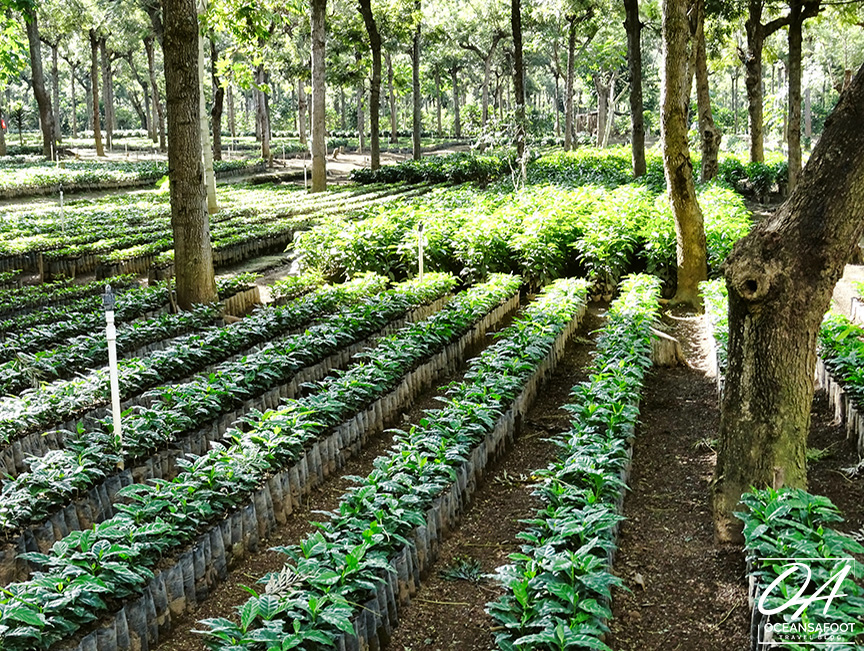
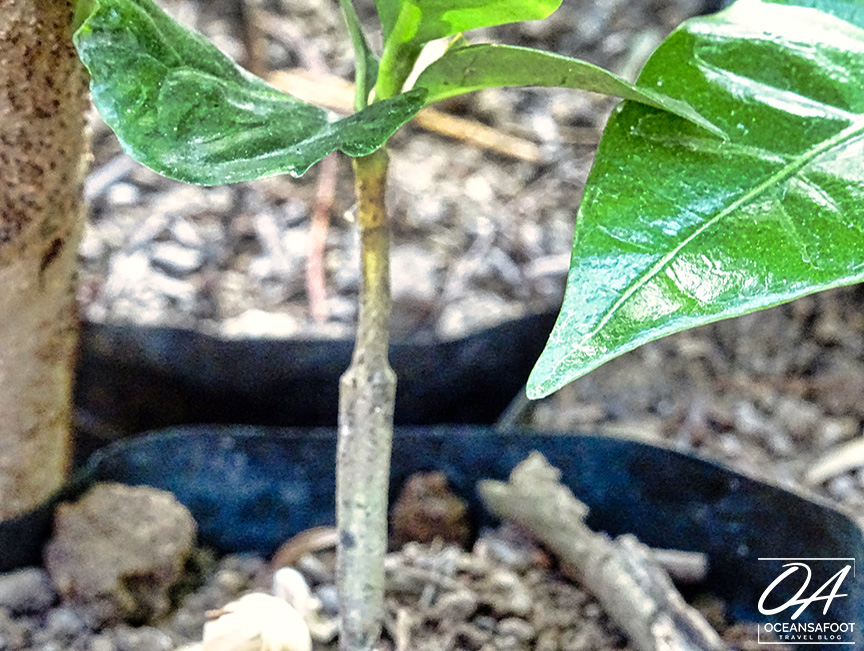
The tour began with a guided walk through the plantation fields, where orderly rows of coffee plants stretched across the rolling terrain. Our guide detailed the cultivation process, including a live demonstration of grafting techniques used to strengthen coffee plants against pests and disease. Guests were invited to handpick raw coffee cherries, gaining a firsthand look at the early stage of coffee production.
We then proceeded into the estate’s processing facilities. Inside the milling rooms, we observed how harvested beans are sorted and separated.
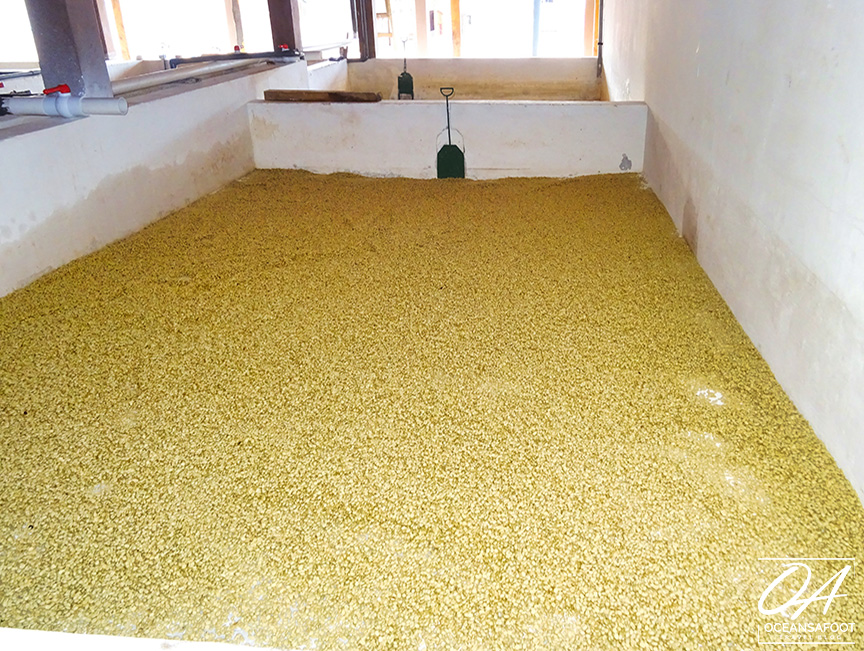
Outside, the expansive patios displayed beans drying naturally under the sun, a traditional method still favored for its quality-enhancing effects. Finally, we toured the bagging and production areas where coffee is prepared for domestic and international distribution.
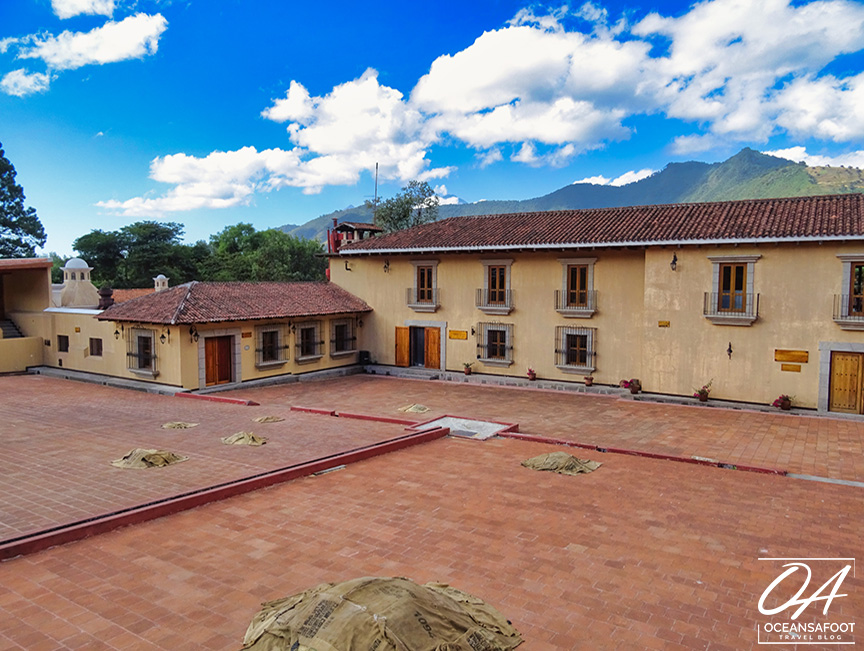
☕ Coffee Legacy – Filadelfia Coffee Estate operates one of the oldest continuously active coffee plantations in Antigua, founded in 1870.
🍽️ Stop 2: Estate Patio Lunch with Volcano Views
📍 Location: Filadelfia Coffee Estate Patio, Antigua, Guatemala
⏳ Time Spent: Approximately 1 hour
Following the tour of the coffee processing facilities, the group gathered at the estate’s open-air patio adjacent to the main gift shop. A full steak lunch was served, complemented by locally sourced desserts and freshly brewed coffee made from beans cultivated on the property.
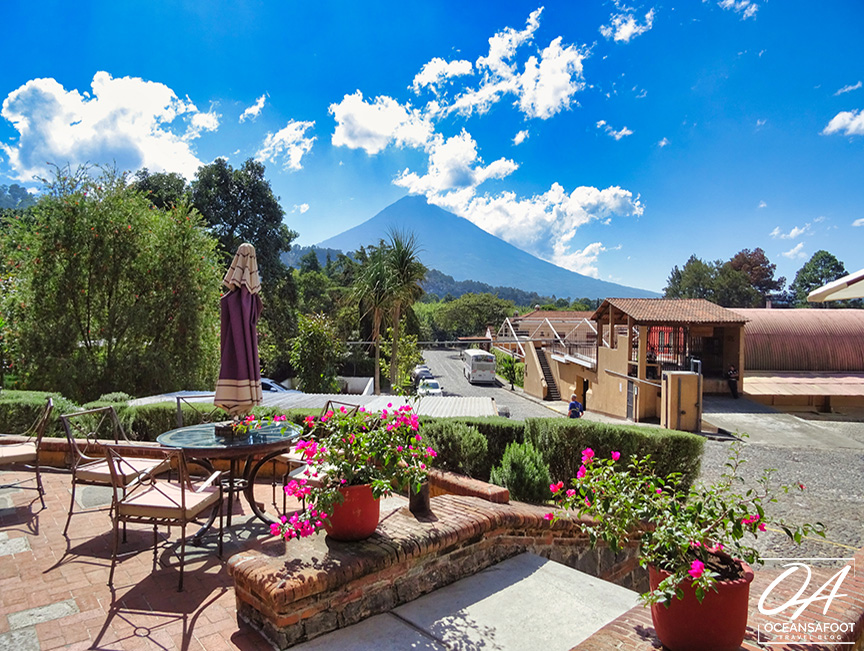
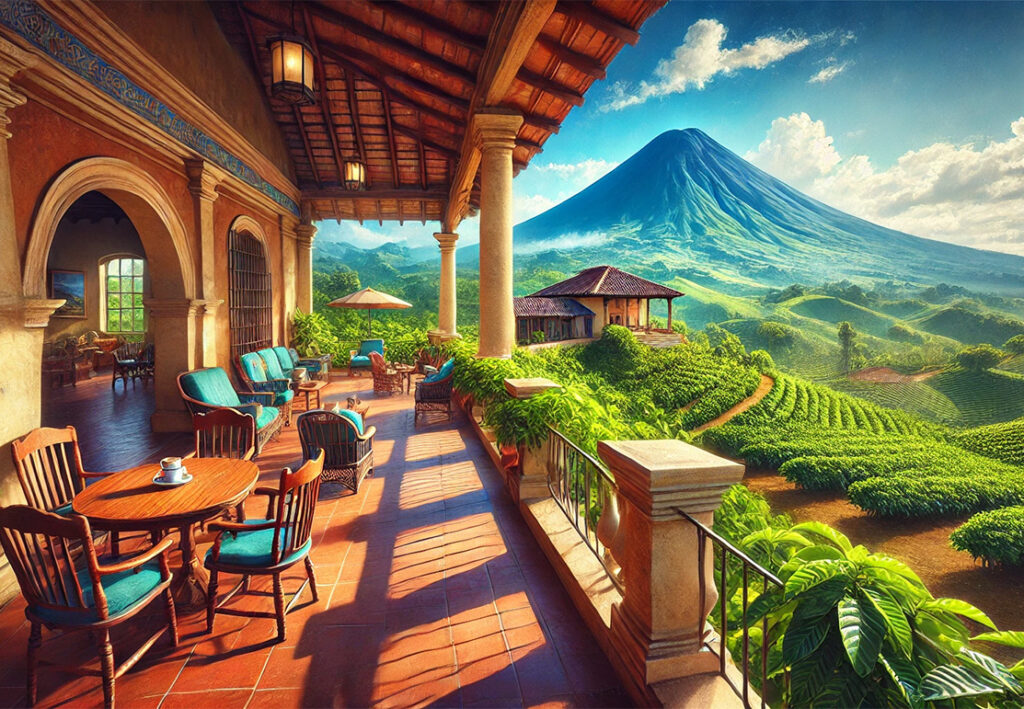
The patio provided uninterrupted views of Volcán de Agua, a massive stratovolcano that dominates the surrounding landscape. Rising to an elevation of approximately 11,500 feet (3,500 meters), the volcano has shaped both the physical geography and the historical development of the region. In 1541, a devastating mudflow originating from Volcán de Agua destroyed the first Guatemalan capital at nearby Ciudad Vieja, leading colonial authorities to establish a new capital at Antigua. Today, although the volcano remains dormant, its imposing presence remains one of the most iconic features of the Antigua Valley.
🌋 Volcanic Geography – Volcán de Agua’s eruption history shaped Antigua’s relocation and modern-day topography.
🏛️ Stop 3: Palacio del Ayuntamiento (City Hall) and Christmas Fireworks
📍 Location: Palacio del Ayuntamiento, Antigua, Guatemala
⏳ Time Spent: Approximately 30 minutes
After finishing lunch at the estate, we reboarded the bus for the short ride into Antigua, located approximately 15 minutes away. Upon entering the city, the bus was required to pay a municipal toll—part of Antigua’s preservation strategy to limit heavy vehicle traffic within the historic core and help fund conservation efforts.
Our walking tour began near the Palacio del Ayuntamiento (City Hall), a prominent colonial-era government building facing Parque Central.
We had timed our arrival to coincide with a unique Christmas Day tradition. Precisely at 12:00 noon, the plaza erupted into a deafening celebration as hundreds of firecrackers ignited across the area, creating continuous bursts of sound and smoke for nearly 20 minutes. This lively ritual, celebrated only on December 25, is a deeply rooted local tradition symbolizing the joy and spirit of the holiday season.
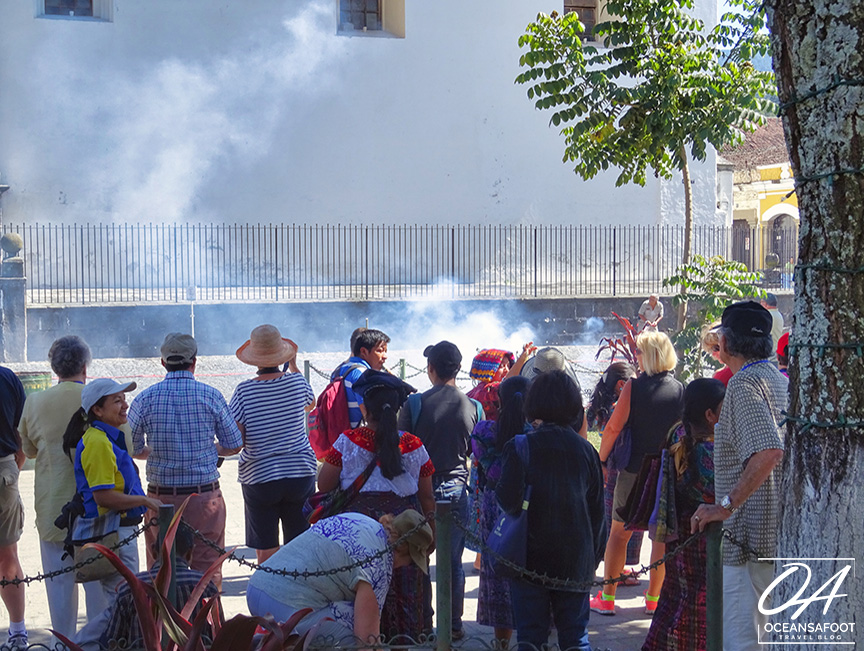
🎄 Holiday Tradition – At noon on Christmas Day, Antigua celebrates with a citywide fireworks display.
🏛️ Stop 4: Free Time at Parque Central
📍 Location: Parque Central, Antigua, Guatemala
⏳ Time Spent: Approximately 30 minutes
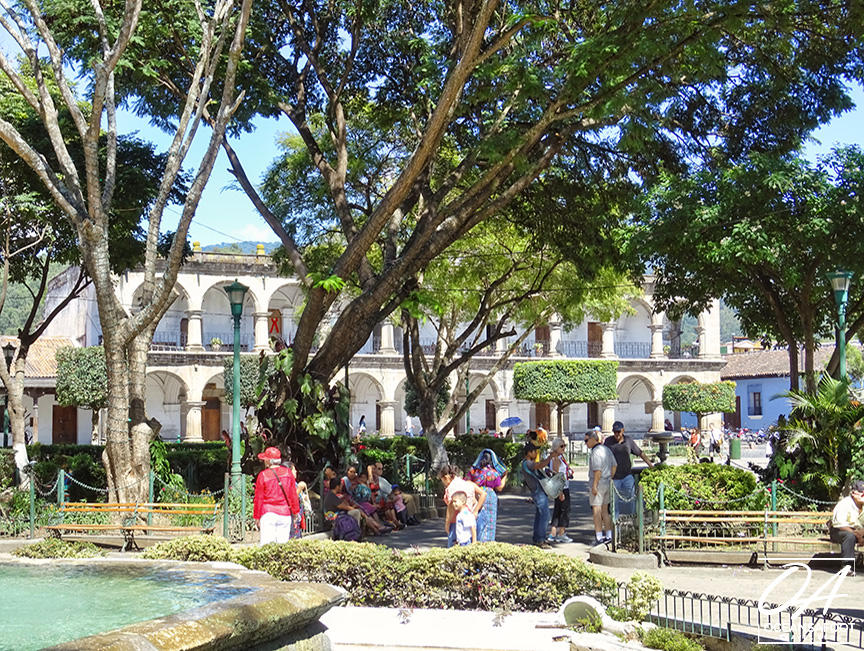
We began our free time at Parque Central, Antigua’s vibrant main square surrounded by colonial-era buildings, shaded walkways, and carefully maintained gardens. On the east side of the plaza stood the Cathedral of San José, its stately white façade partially reconstructed after centuries of earthquake damage.
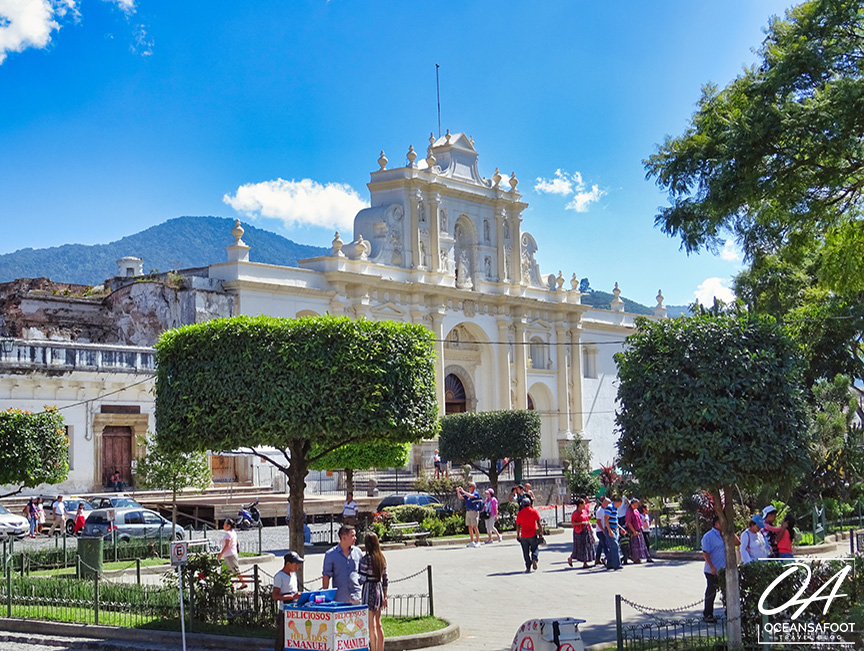
Locals and visitors alike filled the square—some resting on benches beneath leafy trees, others moving between food stalls or admiring the fountains near the cathedral steps. Musicians played near the arcade of City Hall, and artisans displayed their colorful weavings on blankets beside the stone paths.
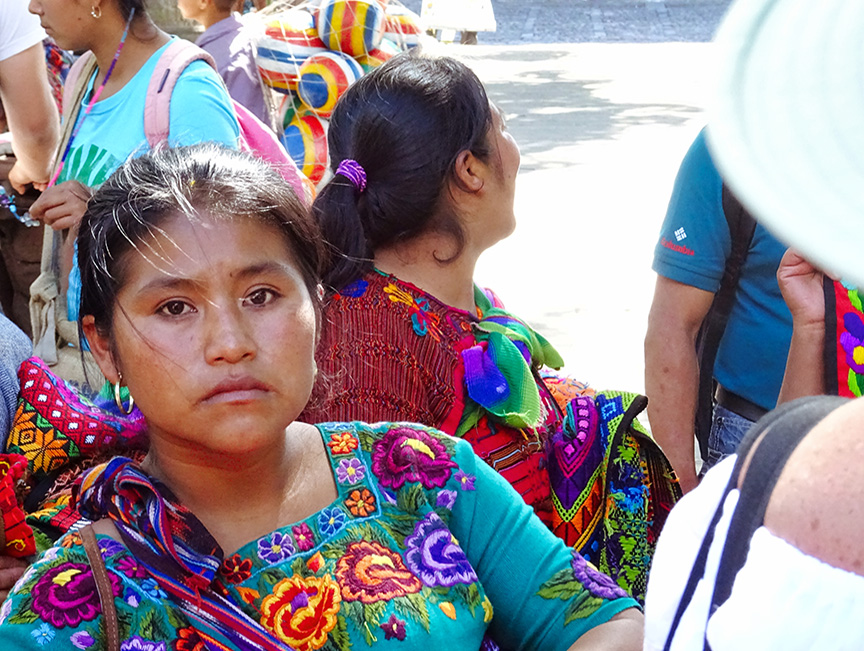
Shortly after arriving, we were approached by vendors offering handmade textiles, jewelry, carved wooden toys, and embroidered accessories. While many greeted us with friendly smiles, others were more persistent, following closely or placing items in our hands in hopes of sparking interest. The mix of hospitality and assertiveness made for a dynamic environment—one that was lively, but required awareness and patience to navigate comfortably.
One member of our group, whose long blonde hair made her especially noticeable, drew heightened attention from several vendors. A few attempted to braid her hair without asking, while others gently placed items across her shoulders as part of their sales technique. Though likely meant to be persuasive rather than threatening, the encounter became uncomfortable enough that we eventually sought out the guide, who helped her disengage from the situation.
While the plaza remained vibrant and welcoming overall, the moment served as a reminder that vendor culture in busy tourist areas can be assertive—and that travelers who stand out visually may receive heightened attention.
🧵 Textile Heritage – Guatemalan weaving traditions date back over 1,000 years, with patterns representing village identity and history.
🏛️ Santa Catalina Arch and Street Encounters
📍 Location: 5a Avenida Norte, Antigua, Guatemala
⏳ Time Spent: Approximately 15 minutes
Leaving the busy plaza behind, we made our way up the cobblestone streets toward the Santa Catalina Arch, one of Antigua’s most recognized landmarks. The area was lively, with steady pedestrian movement, colorful storefronts, and the hum of local activity—though still less crowded than the central square.
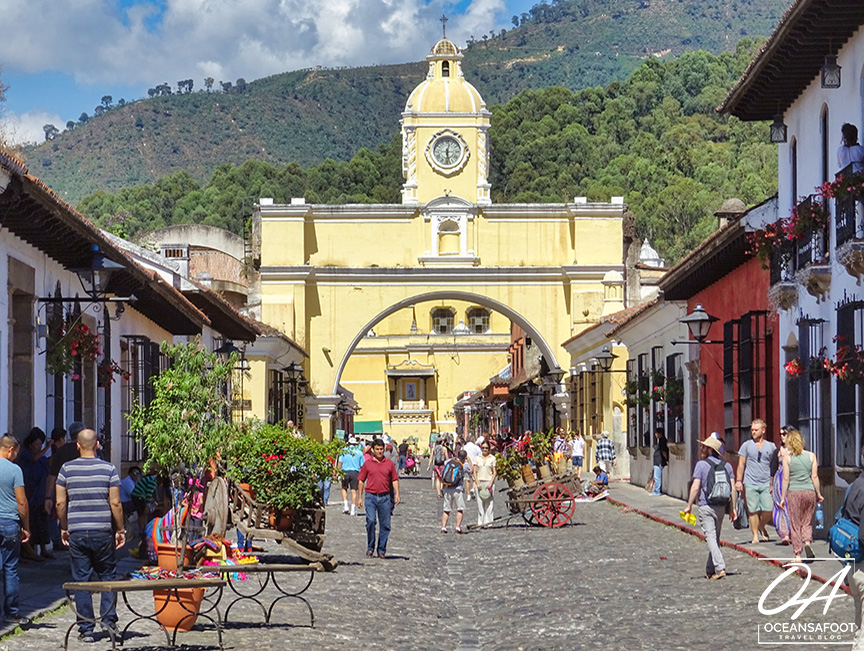
After visiting the Santa Catalina Arch—one of Antigua’s most recognizable landmarks—we continued walking through the area, capturing photos and enjoying the historic surroundings. After passing beneath the arch, we turned onto a nearby side street to explore further.
While exploring a quieter side street beyond the Santa Catalina Arch, we were approached by a man who unexpectedly claimed ownership of the road and demanded a fee to proceed. The encounter was abrupt and unprompted, and although we were never in danger, the situation was uncomfortable enough that we chose not to continue in that direction.
Instead, we turned back and made our way toward La Merced Church, which we had passed earlier. The return route was somewhat busier with foot traffic, but it felt more relaxed and familiar after the tension of the previous exchange.
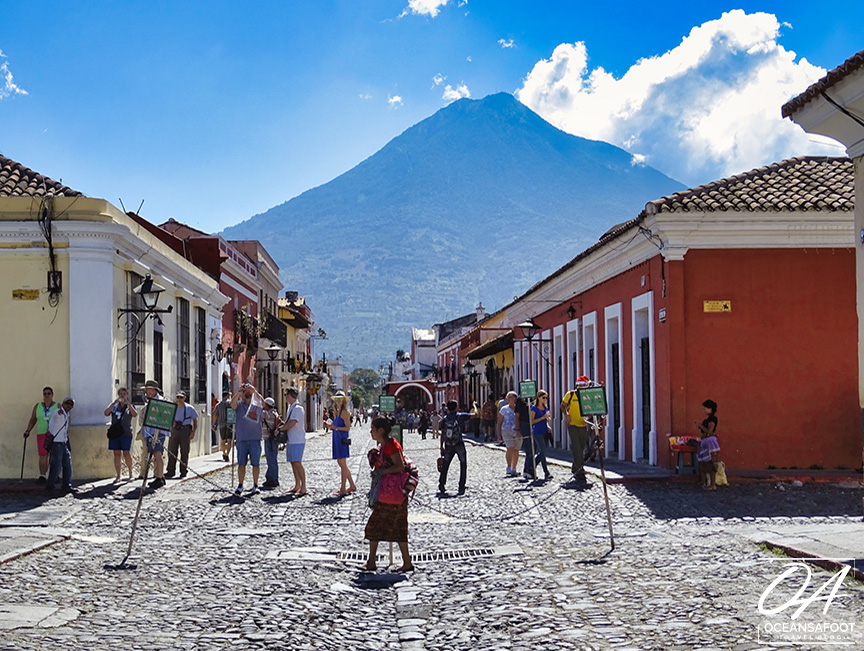
🛕 Cloistered History – The Santa Catalina Arch was built to allow nuns to cross between convent buildings without breaking their vow of seclusion.
🏛️ La Merced Church
📍 Location: La Merced Church, Antigua, Guatemala
⏳ Time Spent: Approximately 30 minutes
La Merced Church stood out with its vivid yellow façade and ornate white stucco detailing, a hallmark of colonial Baroque architecture in Antigua. Completed in the 18th century, it was built with low domes and thick walls to better withstand the region’s frequent earthquakes.
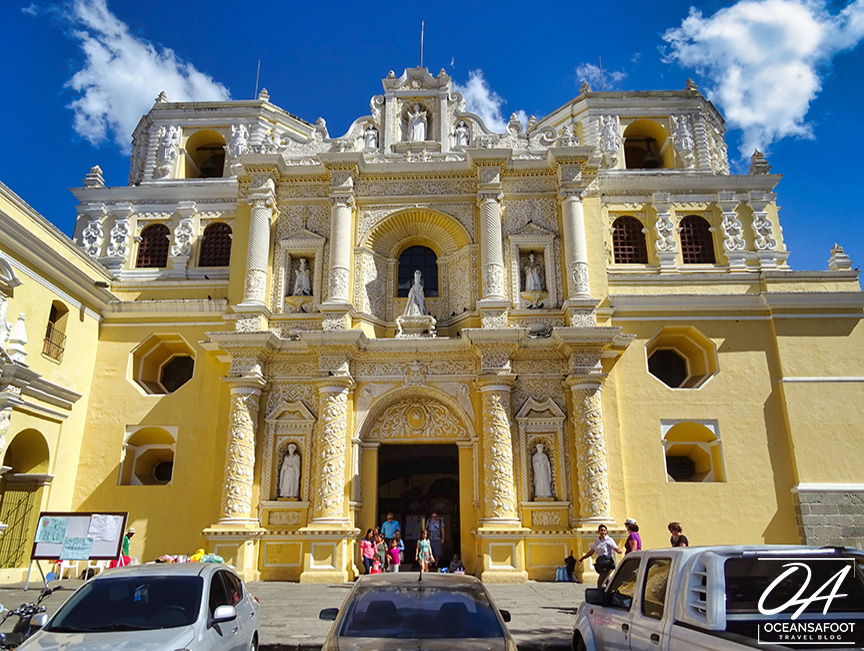
Despite it being Christmas Day, the church was open and welcoming visitors inside. We had the opportunity to view several interior elements, including gilded altars, painted ceiling medallions, and a large nativity scene on display for the holiday. The church was softly lit and filled with poinsettias, creating a reverent and celebratory setting that highlighted both the religious and cultural significance of the day.
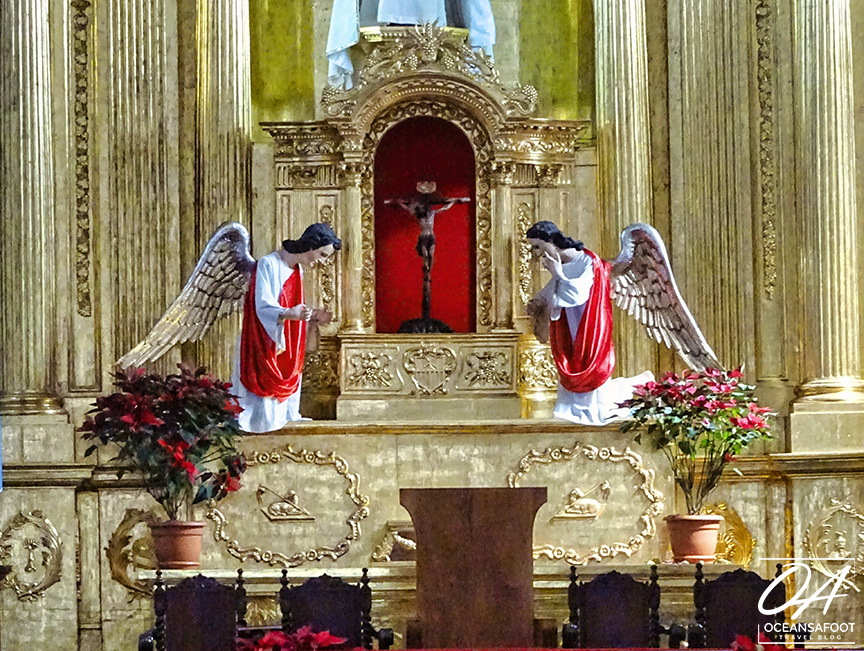
🏛️ Earthquake Resilience – La Merced’s robust construction allowed it to survive multiple seismic events that devastated other colonial structures.
🎭 Stop 5: Jade Factory and Museum
📍 Location: Jade Maya Factory and Museum, Antigua, Guatemala
⏳ Time Spent: Approximately 45 minutes
After our period of free exploration concluded, we regrouped with the organized tour to visit the Jade Maya Factory and Museum, located near the city center. This stop provided a detailed introduction to Guatemala’s ancient jade heritage, a tradition dating back thousands of years to the Maya civilization, where jadeite was considered more valuable than gold.
Inside the museum, educational exhibits traced the historical significance of jade in Mesoamerican culture, from royal regalia to ceremonial artifacts. Artisan demonstrations showcased the intricate process of carving jade using both traditional and modern techniques.
A special focus was given to the work of Mary Lou Ridinger, an American archaeologist and jade specialist who rediscovered Guatemala’s lost jadeite mines in the 1970s. Having recently delivered a lecture aboard ms Amsterdam, Ridinger’s story added a personal connection to the visit.
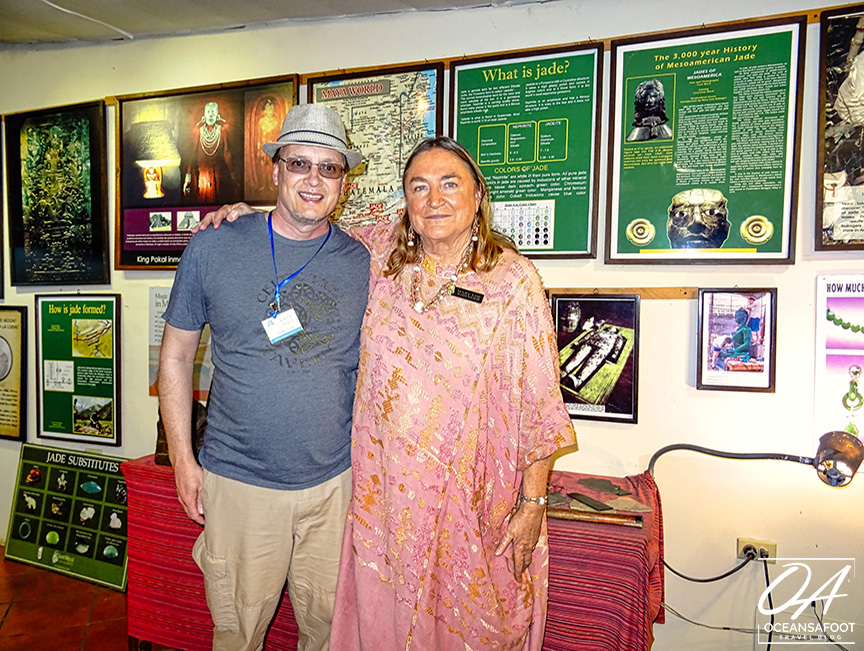
After the museum tour, guests had the opportunity to browse a showroom displaying jewelry, sculptures, and other handcrafted jade pieces, offering a cultural and historical close to the day’s journey through the highlands.
💎 Archaeological Rediscovery – Mary Lou Ridinger helped rediscover Guatemala’s jade sources in the 1970s, reviving an ancient trade.
✅ Who Is This Tour Best For?
✅ Coffee enthusiasts
✅ Cultural history lovers
✅ Architecture admirers
✅ First-time visitors
✅ Photography enthusiasts
📰 Tour Summary
🔖 Tour Name: Filadelfia Coffee Estate & Antigua Tour
🚢 Offered By: Norwegian Cruise Line
⏳ Total Duration: 7–8 hours
⛔ Main Stops: Filadelfia Coffee Estate, Palacio del Ayuntamiento, Parque Central, Santa Catalina Arch, La Merced Church, Jade Factory and Museum
🚍 Drive-By Highlights: Antigua cityscape, Volcán de Agua

Excursion Disclaimer:
Descriptions of shore excursions on OceansAfoot reflect individual travel experiences and are not official representations of the cruise lines or tour providers mentioned. All information is based on personal participation, publicly available facts, or traveler observation.
© OceansAfoot